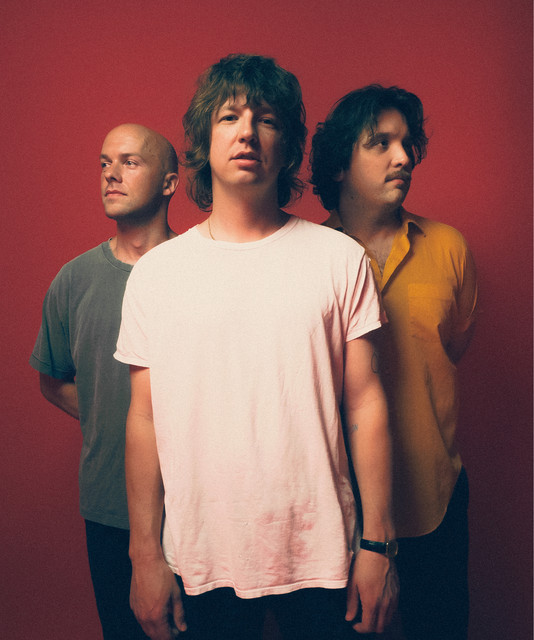
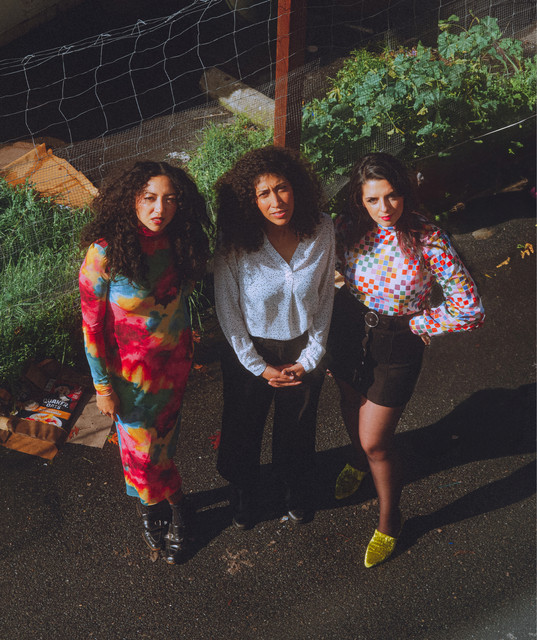
Here's what I love about surf rock for running: it's music designed to sound like motion itself. Those staccato guitar riffs, that spring reverb that makes every note sound like it's bouncing off tile walls, the relentless drum patterns—this is a genre built on momentum, which makes it criminally underrated as running fuel.\n\nThe BPM range here sits at 125-157, averaging 141, which lands you right in that sweet spot for moderate to tempo runs. Dick Dale didn't invent the genre to soundtrack your 5K, but that rapid-fire picking technique—the same one that made "Misirlou" a cultural reset in 1962—matches a 170-180 cadence better than most music explicitly made for fitness. The Ventures, The Surfaris, The Shadows—these bands were creating propulsive, instrumental urgency decades before anyone cared about heart rate zones.\n\nBass Drum of Death and La Luz show up heavy in our playlists, and they represent surf rock's evolution perfectly. Bass Drum of Death brings garage rock grit to the reverb tradition—check them out on "RETURN OF THE PUNK ROCK SURF MONSTER" if you want proof that surf guitar works just as well with distortion and attitude. La Luz, meanwhile, keeps the tradition melodic and hypnotic, perfect for the "HERMOSA" or "STRANGER" playlists when you want that instrumental flow but with modern production.\n\nWhat makes surf rock exceptional for running is the same thing that made it revolutionary: it's almost entirely instrumental. No lyrics to distract you, no vocal melodies to inadvertently sync your breathing to. Just guitar, drums, and bass moving forward with single-minded purpose. The related genres—garage rock, psychedelic rock, noise rock—all share DNA with surf, but they lack that specific combination of clarity and repetition. Surf rock gives you structure. It gives you rhythm you can trust. And on mile seven of a long run along the Lakefront Trail, trust matters more than variety.
Surf Rock
Reverb-Drenched Running: Where Dick Dale Meets Your PR
FAQ
Why does instrumental surf rock work better for running than vocal-heavy rock?
Without lyrics demanding attention, your brain stays focused on pace and form rather than narrative. Surf rock's guitar-driven melodies create rhythm without cognitive load—you get all the energy and tempo benefits with none of the distraction. Plus, you won't accidentally sync your breathing to a vocal line, which can wreck your natural respiratory rhythm on longer efforts.
Is 141 BPM too fast for easy runs?
Not if you run at a 2:1 step-to-beat ratio. At 141 BPM, you'd land at 282 steps per minute if you matched every beat—but hit every other beat and you're at 141 cadence, which is low but workable for recovery pace. Honestly though, surf rock shines brightest on tempo and threshold runs where that 125-157 range matches your effort level and the guitar intensity mirrors your heart rate.
How is modern surf rock different from the 1960s stuff?
Bands like Bass Drum of Death and La Luz keep the reverb and the instrumental focus, but they add garage rock distortion, psych influences, and better production. The core DNA remains—tremolo picking, driving drums, melodic urgency—but modern surf rock sits comfortably next to indie and noise rock. For running purposes, both eras work equally well; it's really about whether you want vintage twang or contemporary crunch.
What should I listen to after I exhaust the surf rock playlists?
Garage rock is the obvious next move—it shares surf's tempo and energy but adds vocals and rawness. Psychedelic rock keeps the reverb and instrumental experimentation but stretches songs longer, which works for endurance runs. Noise rock brings intensity if you need aggression, while space rock offers hypnotic repetition for zoning out on long miles. All of them live in the same BPM neighborhood as surf.
Top Artists
Playlists

80’s NEW WAVE
15 tracks · 52m

THE LOCAL
10 tracks · 33m

RFP
15 tracks · 44m

THIN ICE
11 tracks · 35m

RETURN OF THE PUNK ROCK SURF MONSTER
17 tracks · 43m

YAR
23 tracks · 62m

SUNDAY
14 tracks · 51m

MARCH '24
16 tracks · 40m

RUNAWAY
14 tracks · 37m

HERMOSA
18 tracks · 59m

50
14 tracks · 51m

LONDON RUN
18 tracks · 51m
STRANGER
10 tracks · 26m
RENT FREE
17 tracks · 51m