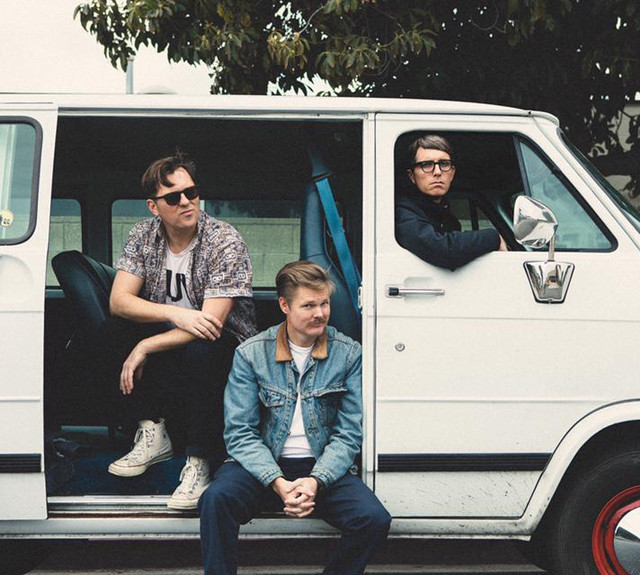
Here's what I love about La Luz: they're a Seattle band playing surf rock with the gray Pacific Northwest sky hanging over every note, and it works precisely because of that contradiction. This isn't sunny California pastiche—it's reverb-drenched psychedelia that sounds like driving down the coast with your windows up, watching the ocean through rain-streaked glass.\n\nThe band formed in 2012, and from their earliest recordings you can hear how they absorbed the Allah-Las' dusty devotion to vintage gear while carving out something more hypnotic, more patient. Where a lot of garage rock bands (and they get lumped into that scene, sharing bills with Tijuana Panthers and The Growlers) go for straight-ahead punch, La Luz build these circular guitar patterns that lock you into a trance state. That's the running sweet spot right there.\n\nTheir 2013 live album It's Alive captures the band's ability to stretch songs into elongated jams—Glenn Michael Van Dyke and Lena Simon's mixing work preserves the room sound, that sense of being in a club basement while the band spirals outward. When you're five miles into a run and "Sure As Spring" kicks in at 140 BPM, those interlocking guitar lines from Shana Cleveland create this perpetual-motion machine. Your stride syncs up and suddenly you're not counting minutes, you're riding the groove.\n\nBy the time they got to Floating Features in 2020, the production—engineered by Graig Markel—sharpened the psych elements while keeping that spacious, analog warmth. The title track hits 145 BPM and feels faster because of how the rhythm section propels it forward. "Cicada" and "Loose Teeth" both sit at 140 but approach that tempo from different angles: one feels like cruising, the other like coasting downhill.\n\nIf you're into Real Estate's jangle or the weirder corners where Being Dead and Triptides live, La Luz operates in that same headspace but with more devotion to the church of reverb. This is music for the Lakefront Trail when the weather can't decide what it's doing, when the sky's doing five things at once and you just need to keep moving through it. The songs don't demand your attention—they invite you into their atmosphere and let you stay there as long as you need.
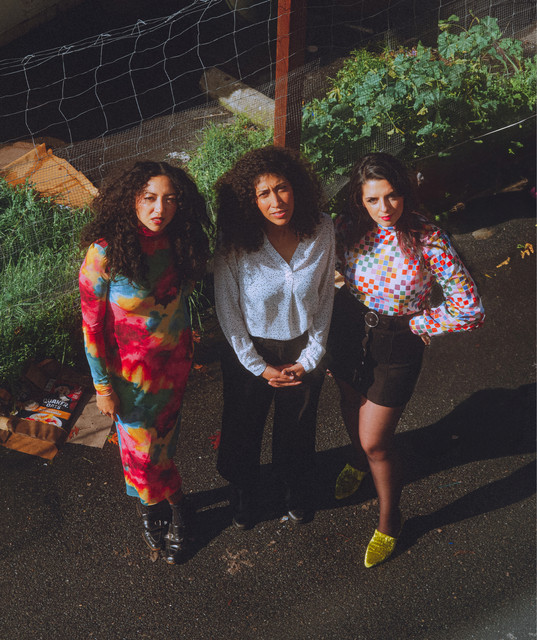
La Luz
La Luz's tracks average 141 BPM — see more 140 BPM songs for long runs.
FAQ
What makes La Luz good for running?
They hit that 140-145 BPM zone where surf rock's propulsion meets psychedelic rock's hypnotic repetition. The interlocking guitar patterns create a trance state that makes distance runs feel less like work and more like riding a wave. It's not aggressive energy—it's sustained, circular momentum. Perfect for when you need to zone out and cover ground on the Lakefront Trail.
Which La Luz album is best for running?
Floating Features from 2020 is your best bet. Three of our four playlist tracks come from it, and the production strikes this ideal balance: clear enough to drive your cadence, spacious enough to disappear into. It's Alive has that raw live energy if you want something grittier, but Floating Features has the consistency for a full run without jarring shifts.
How does La Luz compare to other surf-psych bands for running?
They're less sunny than Allah-Las, more structured than The Growlers, and more propulsive than Real Estate. If you like Tijuana Panthers but want something with more layers, or you're into Being Dead but need clearer rhythms to lock onto, La Luz occupies that middle ground. The reverb creates atmosphere, but the drums stay present enough to guide your stride.
What pace works best with La Luz tracks?
At 140-145 BPM, you're looking at moderate, conversational pace—probably 9-11 minute miles depending on your stride rate. These aren't tempo run tracks. They're for steady-state efforts where you want to maintain rhythm for an hour without thinking too hard about it. The kind of run where you finish and realize you covered more distance than you planned.
Similar Artists