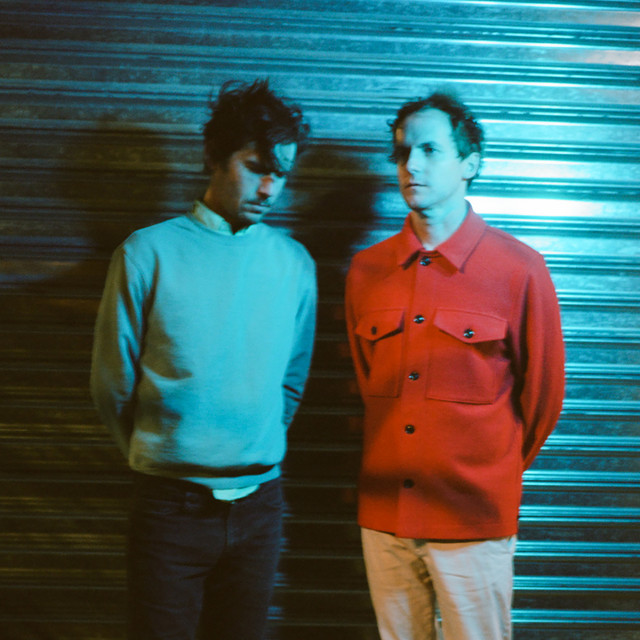
Here's what I know about indie rock and running: the BPM range of 123-157 is exactly where most runners hit their stride, and the genre's entire ethos—raw, unpolished, defiantly individual—matches the headspace you need when you're grinding out mile seven on the Lakefront Trail in February.\n\nTV On The Radio shows up in four different playlists here, which tells you something. "Wolf Like Me" hits at 145 BPM, and that driving, layered urgency Dave Sitek produced is what makes indie rock work for running. It's not the metronomic precision of electronic music or the chest-thumping bombast of arena rock. It's controlled chaos—jangly guitars, odd time signatures that still propel forward, vocals that strain and soar. Check the PISSEDOFFEDNESS playlist when you need that particular flavor of catharsis that only Modest Mouse at 138 BPM can provide.\n\nThe 133 BPM average sits right in the sweet spot for conversational pace runs, but the range matters more. CHICAGO 2 LONDON and RUNAWAY span that full spectrum, so you can match music to effort. Easy recovery run? Start around 123. Tempo work? Push into the 150s with something from the garage rock or noise rock adjacent territories—those genres share indie rock's raw production aesthetic but crank the aggression.\n\nWhat makes indie rock specifically good for running is the same thing that made Merge Records and Touch and Go essential in the '90s and 2000s: authenticity of effort. These songs weren't focus-grouped. They sound like people trying hard, which is exactly what you're doing. The guitars chime and feedback, drums stay loose, production keeps the room sound. It's human-scaled music for a human-scaled activity. When you're running, you don't need perfection—you need momentum and emotional honesty.\n\nThe 20 hours across 14 playlists here means variety. MIXTAPE 1, MOTEL SIX, COMPUTER LOVE SONGS—each playlist curator heard something different in these artists, built different narratives. That's the indie rock promise: 14 artists, infinite interpretations, and every one of them will get you to the finish.
Indie Rock
The Rhythm Section That Never Went Corporate
FAQ
What makes indie rock better for running than other rock subgenres?
The production aesthetic and BPM range. Indie rock averages 133 BPM—right in the conversational pace sweet spot—but the range up to 157 gives you tempo run options. More importantly, indie rock keeps the raw room sound and human imperfections that make long runs feel less robotic. Compare that to noise rock's deliberate abrasiveness or psychedelic rock's meandering structures. Indie rock pushes forward with urgency but doesn't pummel you.
Why does TV On The Radio appear in so many running playlists?
Dave Sitek's production creates dense, layered urgency that translates perfectly to running effort. Songs like "Wolf Like Me" sit around 145 BPM with this propulsive, building intensity—horns, loops, multiple vocal lines—that matches how you feel when you're pushing into a harder pace. The music sounds like it's striving, which is what you're doing. Plus, Tunde Adebimpe's vocals have this raw emotional honesty that makes the physical effort feel less isolated.
Which playlists should I try for different types of runs?
PISSEDOFFEDNESS when you need cathartic energy—Modest Mouse and that particular flavor of controlled chaos works for frustration runs. CHICAGO 2 LONDON or RUNAWAY for variety across the full BPM spectrum, so you can match effort to tempo. MIXTAPE 1 if you want the classic indie rock curation experience—someone made choices, built a narrative. For easy runs, stick to the lower end around 123-130 BPM; tempo work, push into the 150s.
How do I explore beyond these 14 indie rock artists?
Follow the related genres: garage rock shares the raw energy with more bite, psychedelic rock takes the experimentation further, noise rock cranks the aggression. All three maintain that authentic, unpolished production aesthetic. Check labels like Matador, Sub Pop, Merge, or Touch and Go—their rosters defined indie rock's sound. If you respond to TV On The Radio's layered production, explore other Dave Sitek projects. The beauty of indie rock is the endless rabbit holes of influence and collaboration.
Top Artists
Playlists
THE LOOP
28 tracks · 98m

APRIL
15 tracks · 48m

PISSEDOFFEDNESS
20 tracks · 54m

THE LOCAL
10 tracks · 33m

HIGHRISE
13 tracks · 43m

MISTER BLISTER
15 tracks · 52m
MIXTAPE 1
22 tracks · 76m

SAN ANTONIO
16 tracks · 53m

COAST
18 tracks · 53m

EXCUSES
14 tracks · 53m
THE HIGHWAY
14 tracks · 47m

2L8N0W
14 tracks · 50m

SUNDAY
14 tracks · 51m

BREAKFAST OF CHAMPIONS
13 tracks · 55m

MOTEL SIX
15 tracks · 46m

NEXTRUN
11 tracks · 50m
RUNAWAY
14 tracks · 37m

COMPUTER LOVE SONGS
10 tracks · 33m

THE GOOD ONE
10 tracks · 32m

BAD NEWS
15 tracks · 53m

MARCH
9 tracks · 30m

CHICAGO 2 LONDON
13 tracks · 46m

LONDON RUN
18 tracks · 51m

THE RUN WITH 'KID'
13 tracks · 52m

50
14 tracks · 51m
RENT FREE
17 tracks · 51m