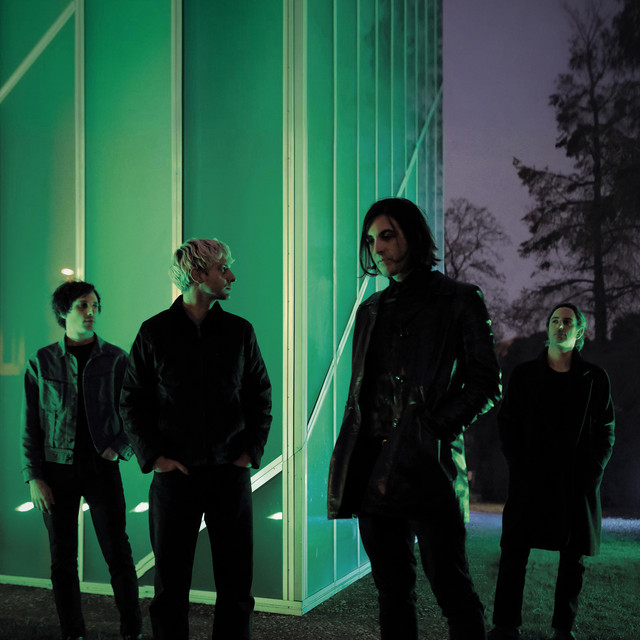
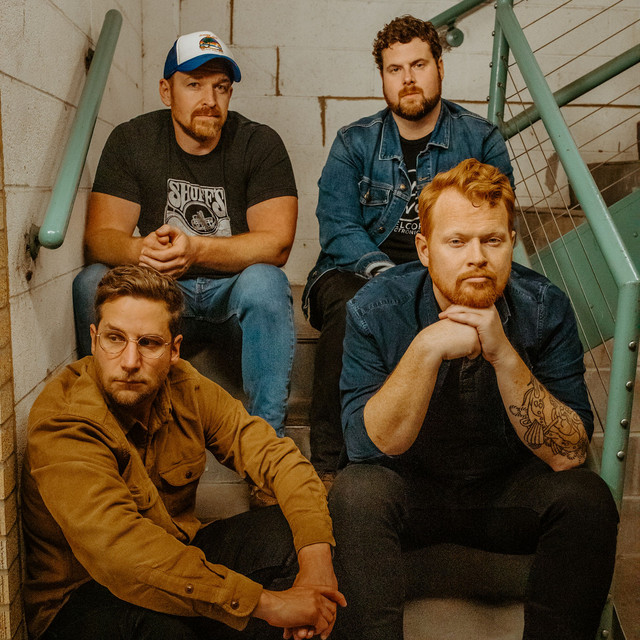
Here's what I know about space rock: it was built for forward motion. Not the frantic energy of punk or the calculated aggression of metal, but the hypnotic, engine-like pulse of NEU!, Hawkwind, and every krautrock band that understood repetition as transcendence. That motorik beat—the steady 4/4 that Klaus Dinger made famous—syncs up with running cadence like it was designed in a biomechanics lab instead of a Düsseldorf studio in 1971.\n\nThe BPM range here (93–165, averaging 116) tells you everything. This isn't music that demands you sprint; it's music that pulls you into a groove and keeps you there for miles. New Candys, who show up across three playlists including PSYCHRUN and STRANGER, understand this perfectly—their reverb-drenched guitars and metronomic drums create a trance state that makes a ten-mile run feel like you're piloting a spacecraft through the Lakefront Trail fog. When a song stretches past six minutes, you're not checking your watch; you're locked into the zone.\n\nSpace rock's greatest gift to runners is its refusal to resolve. Where pop music builds to choruses and releases tension, space rock sustains it. Listen to THE DRAGON or RFP and notice how the songs unfold in loops and spirals rather than verses and bridges. Your stride becomes part of that pattern. The genre's relationship to garage rock (27 playlists), psychedelic rock (17 playlists), and stoner rock (17 playlists) means you're getting fuzz-pedal distortion and raw energy alongside the cosmic drift.\n\nThis is music for long runs when you want your brain to go sideways. For early morning loops when the city's still asleep. For tempo runs where you're chasing that strange equilibrium between effort and effortlessness. Thirty-nine hours across twelve playlists—enough cosmic fuel to get you through an entire training cycle without hearing the same Spacemen 3 track twice.
Space Rock
Krautrock grooves and cosmic repetition for runners who zone out best at 116 BPM
FAQ
Why does space rock work better for long runs than shorter, faster workouts?
Space rock's architecture is built on extended repetition and gradual builds—songs that stretch six, eight, ten minutes without traditional verse-chorus structure. That hypnotic quality matches the mental state of distance running, where you're settling into rhythm rather than chasing intervals. The 116 BPM average sits right in that steady-state zone. For speed work, you'd want something with more dramatic shifts; for long haul efforts, space rock's motorik pulse keeps you locked in without demanding constant attention.
What's the connection between krautrock and space rock, and why does it matter for running?
Krautrock bands like NEU! and Can pioneered the motorik beat—a steady, driving 4/4 rhythm that sounds like a machine that never gets tired. Space rock inherited that relentless forward motion and added cosmic atmosphere, reverb, and psychedelic sprawl. For runners, it's the best of both worlds: the metronomic consistency that matches your cadence and the textural depth that keeps your mind engaged. Klaus Dinger essentially invented the perfect drum pattern for zoning out on a long run.
Which playlists should I start with if I'm new to space rock running?
PSYCHRUN is the obvious entry point—it's named for this exact purpose. THE DRAGON and STRANGER both feature New Candys heavily and represent the modern iteration of the sound with enough garage rock grit to feel immediate. If you want something weirder and more experimental, DIVE BAR BATHROOM leans into the genre's rawer edges. All twelve playlists share that hypnotic quality, but those three will get you calibrated to how space rock's repetition creates momentum rather than monotony.
The BPM range goes up to 165—isn't that too fast for space rock's usual vibe?
That's the beautiful thing about space rock's breadth. While the genre's famous for those mid-tempo krautrock grooves around 116 BPM, it also encompasses the faster, more aggressive end—think Hawkwind's space punk or the propulsive surge of early Monster Magnet. Those 165 BPM tracks work for tempo runs or progressions when you need to shift gears but still want that psychedelic coating. The average stays at 116, so you're getting mostly steady-state fuel with occasional rocket boosters.
Top Artists


Playlists
THE LOOP
28 tracks · 98m

CRAMPS, HIVES & OTHER AILMENTS
20 tracks · 47m

RFP
15 tracks · 44m

PANIC
15 tracks · 45m

DIVE BAR BATHROOM
14 tracks · 52m

SAN ANTONIO
16 tracks · 53m

RETURN OF THE PUNK ROCK SURF MONSTER
17 tracks · 43m

YAR
23 tracks · 62m

BREAKFAST OF CHAMPIONS
13 tracks · 55m
PSYCHRUN
13 tracks · 64m

HERMOSA
18 tracks · 59m

THE DRAGON
12 tracks · 52m

BAD NEWS
15 tracks · 53m

THE RUN WITH 'KID'
13 tracks · 52m
STRANGER
10 tracks · 26m
RENT FREE
17 tracks · 51m