Here's what I love about Bass Drum of Death: John Barrett knew exactly what he was doing when he produced these guys. No studio polish, no attempt to sand down the edges. Just two dudes from Oxford, Mississippi—John Barett White on guitar and vocals, Colin Sneed on drums—making the kind of garage rock that sounds like it was recorded in about forty-five minutes and mixed in twenty. That's not a criticism. That's the entire point.\n\nThe band started as a solo bedroom project in 2007, White laying down fuzzy guitar tracks and drum machine beats in complete isolation. By the time they became a proper band and started working with Barrett, the aesthetic was locked in: surf-rock riffs drowned in distortion, drums that hit like a Louisville Slugger, songs that rarely breach the two-and-a-half-minute mark. If you're into FIDLAR or Wavves or that whole lineage of bands who understand that punk rock got boring when it started taking itself seriously, Bass Drum of Death makes complete sense. The Orwells probably studied their blueprint. Cheap Time and Jacuzzi Boys are spiritual cousins.\n\nFor running, this is high-octane fuel. Every track hovers between 150 and 160 BPM with 90% energy ratings—numbers that don't lie. This isn't music for your recovery jog around the Lakefront Trail on a Sunday morning. This is music for when you're five miles in, legs burning, and you need something to shove you through the next interval. The guitars are corroded and blown-out, but the rhythms are locked tight. Sneed's drumming is surprisingly metronomic given how raw everything sounds, which means your cadence stays honest even when the production sounds like it's disintegrating.\n\nTheir self-titled debut, the "Gb City" sessions, the "Say I Won't" singles—it all occupies the same sonic territory. No ballads, no experimentation, no acoustic interludes. Just garage rock that understands its assignment. When you're running and you need music that matches your heart rate without any filler or mood shifts, Bass Drum of Death delivers exactly that. It's the musical equivalent of a straight shot of espresso. No sugar, no cream, just the thing itself.
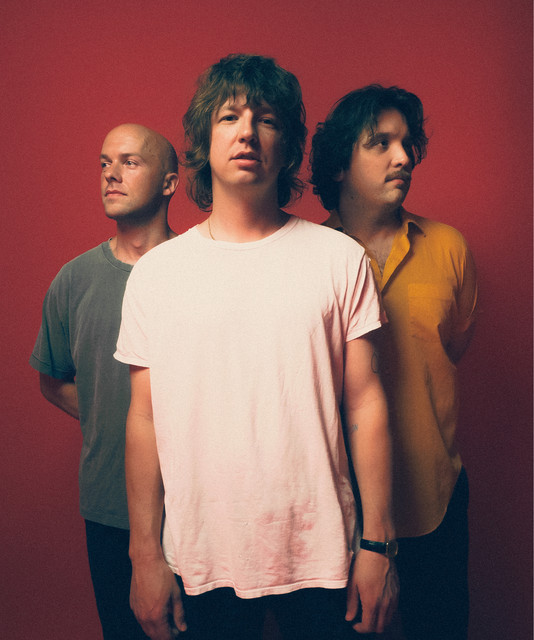
Bass Drum of Death
Bass Drum of Death's tracks average 157 BPM — see more 160 BPM songs for tempo runs.
FAQ
What makes Bass Drum of Death good for running?
Metronomic tempo consistency and zero filler. Every track in our playlists sits between 150-160 BPM with 90% energy, and none of them exceed three minutes. There are no mood shifts, no slow bridges, no acoustic detours. Just distorted garage rock that maintains pace from first second to last. When you need music that matches a hard tempo run without any surprises, this band delivers exactly that.
What BPM are Bass Drum of Death's running tracks?
The five tracks we feature range from 150 to 160 BPM. "Get Found" sits at 150, which works for steady tempo runs. "Nerve Jamming," "Say I Won't," and "Shattered Me" all hit 160 BPM—perfect for faster intervals or when you're pushing the final miles of a hard effort. "Say Your Prayers" lands at 155, right in the middle. All of them maintain that pace without wavering.
Are Bass Drum of Death similar to any other running playlist artists?
If you're into FIDLAR, Wavves, or The Orwells, Bass Drum of Death occupies the same garage-punk territory—raw production, surf-rock riffs buried in fuzz, and tempos that work for running. Cheap Time and together PANGEA share that same two-minute adrenaline-burst approach. Jacuzzi Boys have a similar rhythmic tightness despite the chaotic guitars. All these bands understand that punk rock works best when it's fast and doesn't overstay its welcome.
Which Bass Drum of Death album should I start with for running?
Honestly, they all sound pretty similar—and I mean that as a compliment. "Gb City" gives you "Get Found" and "Nerve Jamming," both solid high-tempo tracks. The self-titled debut has "Shattered Me," which hits 160 BPM. If you want maximum efficiency, just grab the tracks we've already pulled for the playlists. They're the ones with the most consistent tempos and the least deviation from the garage-rock formula that makes this band work for running.
Similar Artists