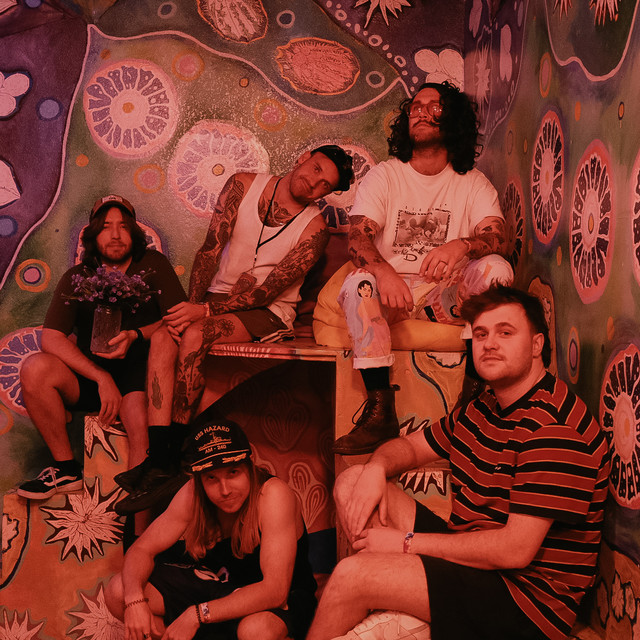
Here's what I've learned running to neo-psychedelic music: the genre's 93–165 BPM range maps perfectly onto the full spectrum of training runs, from recovery jogs to tempo efforts. That 129 BPM average sits right in the sweet spot for conversational pace, but what really makes this category work is the textural density. Psychedelic Porn Crumpets—who show up in six different playlists here—layer fuzzed-out guitars and motorik rhythms that create forward momentum without the aggression of garage rock or the rigidity of electronic music.
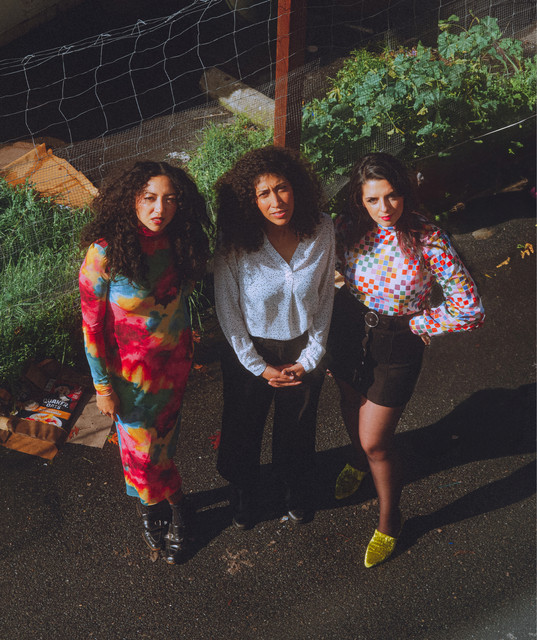
The Western Australian band's "Social Candy" or "Cornflake" lock into these circular grooves that mirror the repetitive nature of running, while La Luz brings a surf-psychedelic shimmer that feels especially right on lakefront miles. New Candys and Frankie and the Witch Fingers (both appearing in three playlists) bring Italian and Los Angeles perspectives respectively to the reverb-drenched sound, proving this revival is genuinely international.
What distinguishes neo-psych from its '60s predecessors is the production clarity—these aren't muddy Nuggets compilations. The phaser pedals and analog synths are mixed cleanly enough that you can hear the drum patterns driving tracks on PSYCHRUN or NEXTRUN. The playlist names tell their own story: MISTER BLISTER and PISSEDOFFEDNESS suggest the genre's ability to channel frustration into hypnotic motion, while HERMOSA and DIVE BAR BATHROOM capture the seedy-beautiful aesthetic that defines the scene.
The related genres here—ska, riot grrrl, psychobilly—share neo-psych's rejection of mainstream polish and its DIY recording ethos. That rawness translates to running music that feels alive rather than programmed. When you're five miles into a long run and Psychedelic Porn Crumpets hits a tempo shift, it resets your mental odometer. Sixty-three hours of this stuff means you could run from Chicago to Milwaukee on neo-psych alone, and the textural variety would keep it interesting the entire way.
FAQ
Why does neo-psychedelic work better for running than classic psychedelia?
Modern production is the difference. Classic '60s psych was engineered for headphone trips, with tempos that drift and mixes that blur together. Neo-psych bands record with punch and rhythmic clarity—you can actually follow the drummer. That 129 BPM average is intentional, not accidental, and the bass lines stay locked in rather than wandering off into twelve-minute jams. Psychedelic Porn Crumpets writes three-minute songs with the sonic adventurousness of Tame Impala but the drive of Thee Oh Sees.
What's the ideal run type for neo-psychedelic music?
Mid-distance efforts where you want to zone out but still maintain pace. The genre's 93–165 BPM spread means playlists like PSYCHRUN or NEXTRUN can soundtrack everything from warm-up miles to threshold intervals. I default to neo-psych for seven-to-ten milers where I'm not racing but need something more engaging than ambient music. The cyclical guitar patterns create a trance state that makes mile six feel less monotonous than it actually is.
How do I get into this genre if I only know Tame Impala?
Start with Psychedelic Porn Crumpets' And Now for the Whatchamacallit album—it's got the Tame Impala synth-swirl but with harder edges and better running tempos. Then check La Luz for the melodic, surf-influenced side, and Frankie and the Witch Fingers for the louder garage-psych end. The HERMOSA and BREAKFAST OF CHAMPIONS playlists here pull from different energy levels within the genre, so you can test what tempo range works for your stride.
Why are there ska and riot grrrl bands listed as related genres?
They share the DIY recording aesthetic and an opposition to overproduced commercial music. Neo-psych came out of the same independent label ecosystem—Castle Face Records, Burger Records before it imploded, Trouble in Mind. These scenes overlap at festivals like Levitation in Austin. Musically, ska's off-beat rhythms and riot grrrl's raw energy create similar propulsive feels for running, even though they sound nothing like reverb-heavy psych guitars. It's about attitude and tempo more than tone.