GENRE

emo

Running to emo means feeling everything at 166 BPM

6 playlists ·7 artists ·Avg 163 BPM ·105–190 BPM ·5 hours

Look, I spent the late '90s and early 2000s convinced that emo was too precious, too self-indulgent for anything athletic. I was wrong. Turns out that the same urgency that made kids in basement shows scream along to every word translates directly into leg turnover. This stuff averages 166 BPM, peaking at 174—that's not wallowing tempo, that's sprinting-through-your-feelings territory.

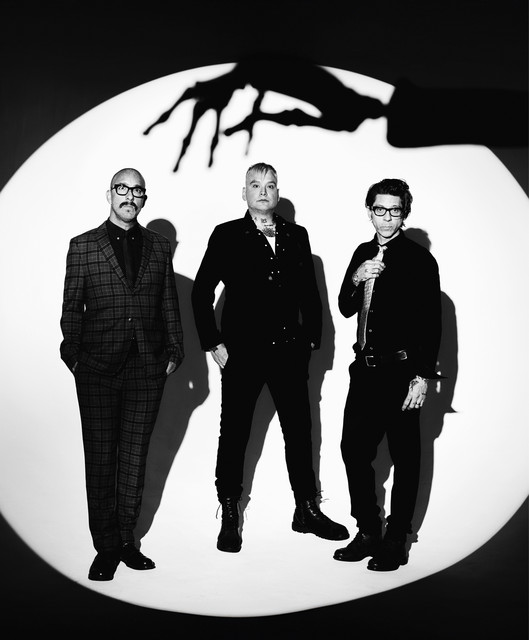
The ALKALINE TRIO RUN playlist gets it exactly right. Matt Skiba's Chicago-bred guitar work has always had this caffeinated precision, that Midwest work ethic dressed up in black. When you're grinding out mile repeats on the Lakefront Trail at dawn (see: SIX AM), you need music that acknowledges that running hurts while simultaneously insisting you keep moving. Emo does both. It never pretends things are easy, but it channels all that emotional excess into propulsive energy.

What separates emo from, say, grunge as running music is the tempo consistency. Grunge wants to lurch and sway; emocore—especially the stuff that shares DNA with riot grrrl and ska—maintains this locked-in, almost metronomic drive. Check out RIOT RUN v1 for proof. The drumming is technically proficient in a way that keeps your cadence honest, while the vocal intensity gives you something to push against when you're fading at mile eight.

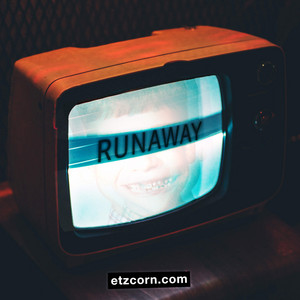
The genre's relationship to neo-psychedelic acts as a nice exit ramp when you need to cool down, but during the main set? You want that combination of technical precision and emotional rawness. RUNAWAY and LOVERS ROCK show the range—from full-throttle catharsis to the kind of melodic hooks that distract you from lactic acid buildup.

Thirty-five hours of material means you won't be hearing the same breakup metaphors every run. And honestly? Sometimes you need music that meets you in your discomfort instead of trying to hype you past it. Emo running is about converting angst into mileage, one chorus at a time.
FAQ

Why does emo work better for running than I expected?

Because it's faster and more rhythmically precise than people remember. We associate emo with sad kids in hoodies, but the actual music—especially the stuff that came out of the hardcore scene—sits at 156-174 BPM with tight, driving drumming. That's ideal cadence territory. The emotional intensity gives you something to channel when the run gets hard, which beats empty motivation mantras every time.

Is this just early 2000s nostalgia, or does it actually move me forward?

It moves you forward, precisely because it doesn't ignore how you actually feel mid-run. Nostalgia might get you out the door, but tempo keeps you moving. The ALKALINE TRIO RUN and RIOT RUN v1 playlists prove these songs have legitimate athletic utility. The galloping snare patterns and palm-muted guitar work create physical momentum that your stride naturally locks into.

What's the Chicago connection beyond Alkaline Trio?

Chicago's emo scene grew out of the same basements and DIY venues that bred post-hardcore—places like the Fireside Bowl. There's a specific Midwest pragmatism to the sound: emotionally direct but technically disciplined, which is exactly how you need to approach distance running. The SIX AM playlist captures that early-morning, get-it-done mentality that defines both Chicago winters and consistent training.

How do I explore beyond emo once I've exhausted these six playlists?

Follow the related genre threads. Riot grrrl shares the intensity and similar BPMs. Ska offers the same rhythmic propulsion with more upstroke guitar. Psychobilly gives you that breakneck tempo with different emotional textures. Neo-psychedelic works for recovery runs when you want something less urgent. The thirty-five hours here will last you months, but those adjacent genres use the same formula: driving rhythm plus emotional authenticity equals running fuel.

Top Artists

Related Genres