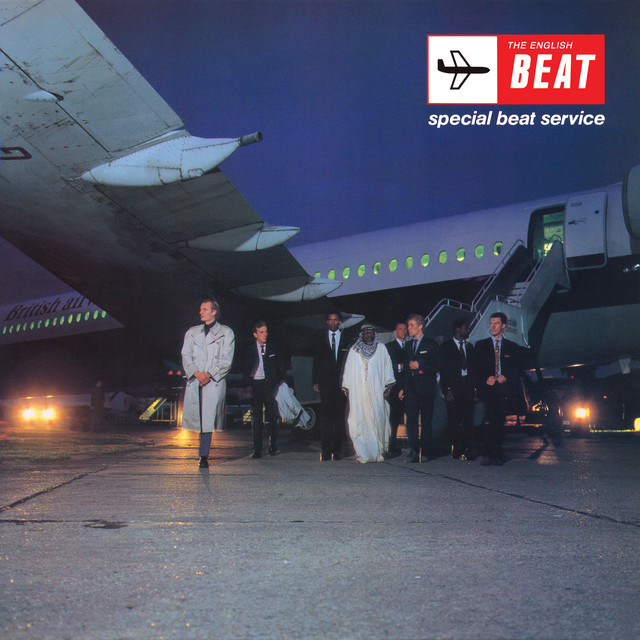
Here's what I know about ska and running: the upstroke guitar skank functions like a metronome that makes you hyperaware of your cadence. That offbeat rhythm—the chick-chick-chick that defines the genre from Jamaican originators through 2 Tone's Coventry revolution to third-wave California acts—lands between your footstrikes and creates this push-pull tension that keeps you honest about tempo.
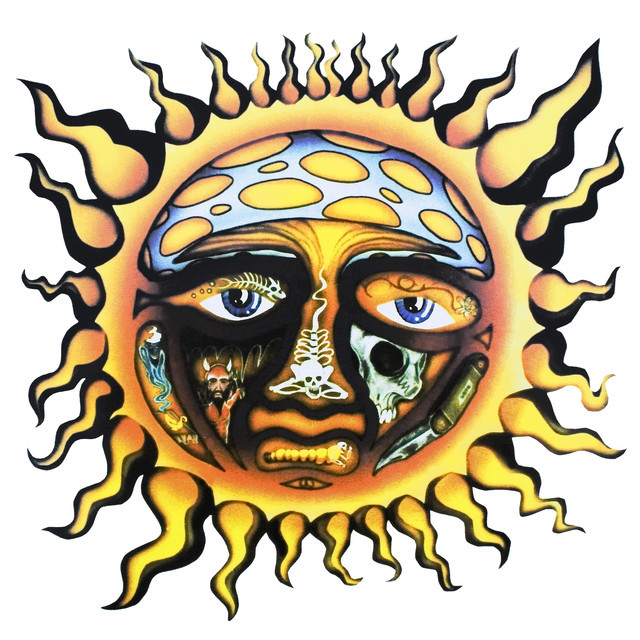
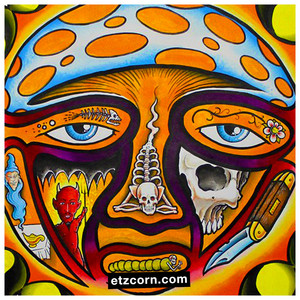
The BPM range tells the whole story. At 89 BPM you're getting early reggae-influenced ska, the stuff that works for recovery runs when you need propulsion but not aggression. At 174 BPM you're in full third-wave sprint territory where punk energy meets brass section. The average of 122 BPM is perfect running cadence for most people, which explains why Sublime shows up in three different playlists here. Their genre-blurring approach—ska-punk-reggae-hip-hop—gives you tempo variation within a single album.
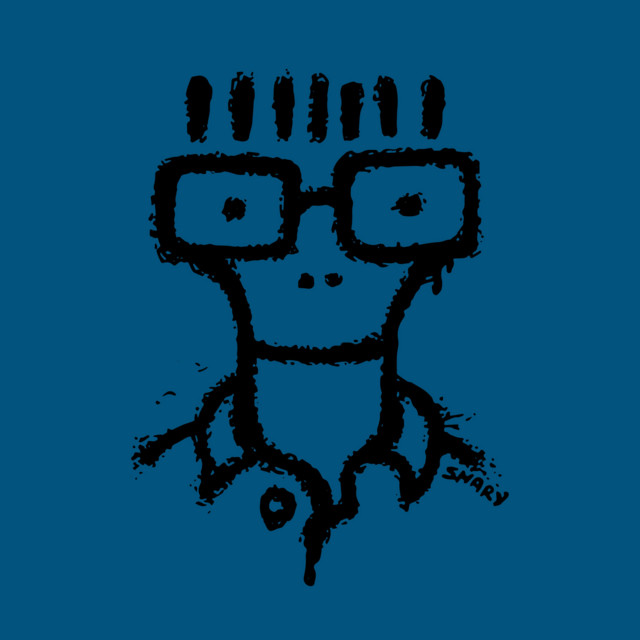
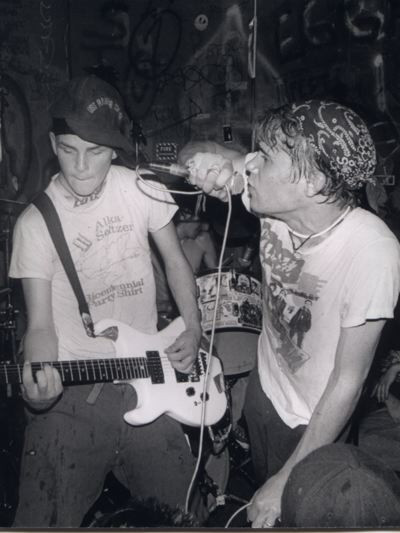
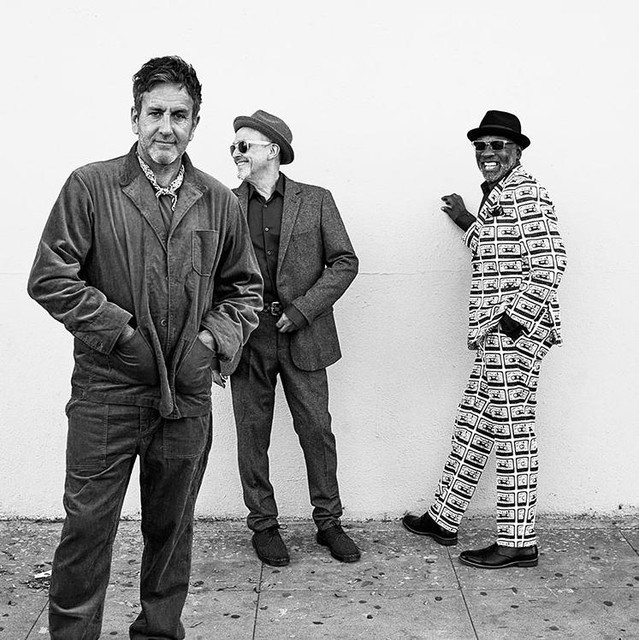
Check the SUBLIME RUN playlist obviously, but RIOT RUN v1 and v2 are where ska's punk adjacency makes sense. The genre shares DNA with new wave (another four playlists in the system), psychobilly (six playlists), and emo (six playlists). That's not random—ska's the connective tissue between British punk, American hardcore, and everything that came after. The Specials were on Chrysalis. Operation Ivy was on Lookout! Records. These are lineage points.
What makes ska uniquely valuable for running is the horn arrangement. A guitar-bass-drums band gives you rhythm, but add a three-piece brass section and you get melodic complexity that distracts from fatigue. Your brain tracks the trumpet line while your legs maintain the snare pattern. The SUN SET and SUNDAY RUNDAY playlists understand this—ska works for evening lakefront miles when you need brightness but you're too tired for straight punk aggression. Eleven playlists, 45 hours of music, and every track has that upstroke pushing you forward.
FAQ
Why does ska's upstroke guitar rhythm work better for running than standard rock rhythm?
The offbeat skank lands between your footstrikes instead of directly on them, creating rhythmic tension that keeps you from getting sloppy with cadence. Standard 4/4 rock lets you zone out. Ska's syncopation makes you pay attention to tempo without thinking about it analytically. It's the musical equivalent of running with someone slightly faster than you—constant gentle pressure to maintain pace.
How should I use ska's huge BPM range from 89 to 174?
Use the lower-BPM reggae-influenced tracks for warmups and easy days—that 89-100 range is recovery territory. The 120-130 sweet spot works for steady tempo runs where you want consistency. Third-wave punk-ska at 160-174 is interval training music. The SUBLIME RUN playlist probably gives you the full spectrum in one place, while RIOT RUN v1 and v2 skew faster for harder efforts.
What's the connection between ska and all these related punk and emo playlists?
Ska-punk was the bridge between 1980s hardcore and 1990s emo. Bands on labels like Lookout!, Hellcat, and Asian Man connected the scenes. If you run to emo or riot grrrl playlists, ska gives you similar emotional intensity but with brass sections and tempo variety. The horn arrangements add melodic complexity that straight power-chord punk doesn't offer, which helps on longer runs when simplicity gets exhausting.
Is 45 hours of ska really enough variety for regular running?
Thirteen artists across eleven playlists is lean compared to some genres, but ska's structural variety makes up for the smaller catalog. You've got Jamaican originators, British 2 Tone, California third-wave, and ska-punk hybrids. The genre absorbed reggae, punk, new wave, and rocksteady influences. One artist like Sublime gives you half a dozen tempos and moods. Quality over quantity—ska running playlists don't need 500 artists to stay interesting.