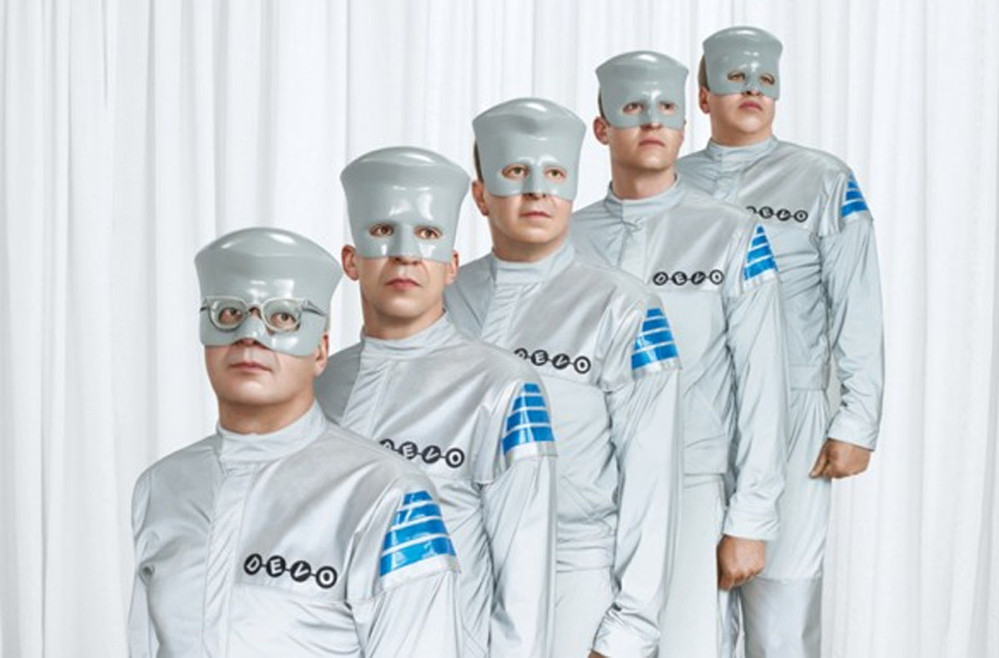
Look, I've spent thirty years defending new wave as something more than nostalgia for skinny ties and eyeliner, and here's the thing runners need to understand: this genre was built on anxious energy and mechanical precision, which makes it accidentally brilliant for maintaining pace. The BPM range of 135-154 with an average of 143 lands right in that sweet spot where your turnover feels locked in but not frantic. These songs were recorded by people who replaced guitar solos with synthesizer arpeggios and drum fills with rigid drum machines. That's your metronome right there.
I've got four playlists dedicated to this—80'S NEW WAVE, LET'S GO!, MIXTAPE 1, and SUNDAY RUNDAY—because new wave is too sprawling to fit one mood. You've got the art school side (Talking Heads, Gang of Four), the pop side (The Human League, Duran Duran), and the darker post-punk edge (Joy Division, Siouxsie). What unites them for running is that angular guitar work and those propulsive basslines. Peter Hook's bass on New Order tracks does more to drive tempo than most drummers. Bernard Sumner's guitar on "Ceremony" is all jagged forward motion.
The genre sits beautifully next to neo-psychedelic, ska, and riot grrrl in the catalog, which tells you something about runners who gravitate here—you want structure but you're allergic to bombast. You don't need orchestral builds or guitar pyrotechnics; you need the disciplined repetition of a Roland TR-808 and lyrics about urban alienation. I run the Lakefront Trail at dawn with this stuff and it feels right: the cold synthesizers against the grey lake, the mechanized drums echoing off concrete. These songs were made in cities, for cities.
New wave works because it never asks you to feel triumphant. It asks you to keep moving, to stay sharp, to maintain form. That's better.
FAQ
Why does new wave work better for running than other 80s music?
Most 80s music drowns you in production—reverb, gated drums, power ballad dynamics. New wave stripped that back. You get the 135-154 BPM tempo you need, but the arrangements stay lean: tight bass, clean guitar lines, drum machines that don't wander. Bands like Talking Heads and The Cars built songs around rhythmic precision, not emotional crescendos. That steadiness translates directly to pace control. It's music made by art school kids who loved Kraftwerk more than Led Zeppelin.
Which new wave playlist should I start with for tempo runs?
LET'S GO! is your tempo run companion—it leans into the higher end of that BPM range and favors the more aggressive post-punk influenced tracks. If you want something more varied for easy days, SUNDAY RUNDAY mixes in the poppier side without losing the propulsive backbone. 80'S NEW WAVE is pure period immersion if you want the full KROQ-in-1983 experience. MIXTAPE 1 is my desert island choice, but I'm biased toward sequencing.
What's the connection between new wave and the related genres like riot grrrl and ska?
They all share a DIY ethos and an allergy to guitar hero excess. Riot grrrl bands grew up on post-punk and kept that angular urgency. Ska has the same rhythmic discipline and bassline obsession—both genres make the bass and drums do the heavy lifting. If you're running to new wave and want to branch out, neo-psychedelic keeps the synthesizers but adds more texture, while ska gives you the same forward motion with horns instead of synths.
Is 143 BPM actually ideal for running cadence?
It's faster than the old 180 cadence gospel, but plenty of runners—especially those doing tempo or threshold work—sit comfortably in the 140-155 range. The beauty of new wave at 143 average is that it doesn't dictate cadence so much as support it. The mechanical drums and repetitive structures create a grid you can sync to without feeling tyrannized by it. You're running with the music, not chasing it or fighting it. That's the ideal relationship.