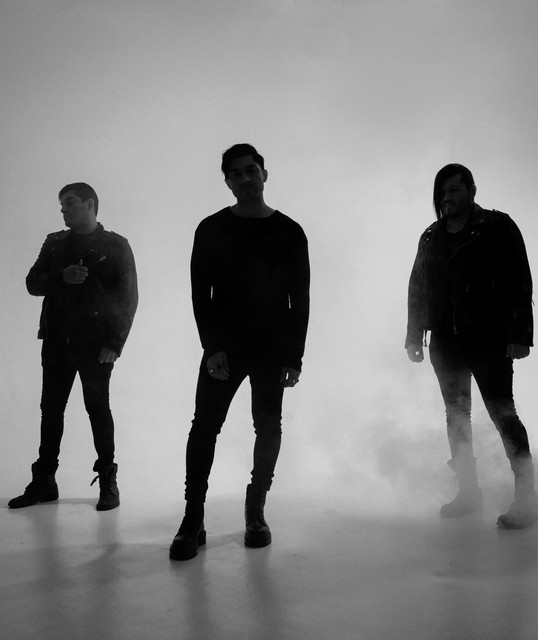
Here's what I love about running to darkwave: it treats a six-mile loop through Palmer Square like the opening credits of a film noir that takes itself exactly seriously enough. This is post-punk's coldest, most metronomic offspring—the stuff that came out of early 4AD releases, Mute Records' roster in the mid-80s, and every European city where synthesizers cost more than rent.
\n\nThe BPM range sits between 126 and 142, averaging 129, which maps almost perfectly to a strong conversational pace. That's not an accident. Darkwave inherited the motorik pulse from krautrock, that machine-like precision that makes you lock into a cadence and stay there. Check out playlists like 80's NEW WAVE or THE GRIPPER—these aren't just moody bedroom listening collections. They're built around that unwavering 4/4 thump that turns the Lakefront Trail at dusk into your own personal Bauhaus video.
\n\nWhat separates darkwave from its related genres—neo-psychedelic, psychobilly, even riot grrrl—is the emotional restraint. There's intensity here, but it's icy, controlled, brooding. You're not sprinting through aggression; you're maintaining through atmospheric tension. SUNDAY RUNDAY and MAYNINTH understand this balance. The drama comes from layers of analog synths and reverb-drenched guitars, not from tempo changes that mess with your stride.
\n\nSix artists, four playlists, twelve hours of material. That's enough to soundtrack every winter training run when it's dark at 4:30 PM and the wind off Lake Michigan makes you question your life choices. But then that bass synth drops, and suddenly you're not just running—you're the protagonist in the most stylishly depressed eight-miler ever filmed.