On the run
I wanted to ask whoever put this together why they ended with "Ghost Town." It's the kind of question that keeps you up at night when you reorganize your record collection for the third time this month. You don't close an 83-minute Sunday run with The Specials unless you're trying to say something about what happens when the party's over and everyone goes home.
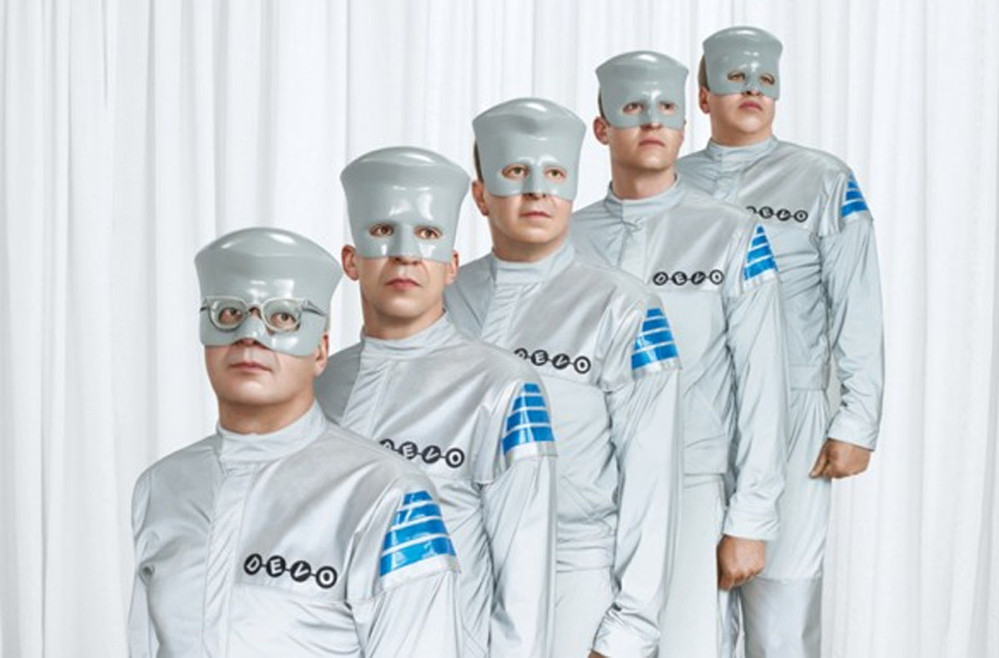
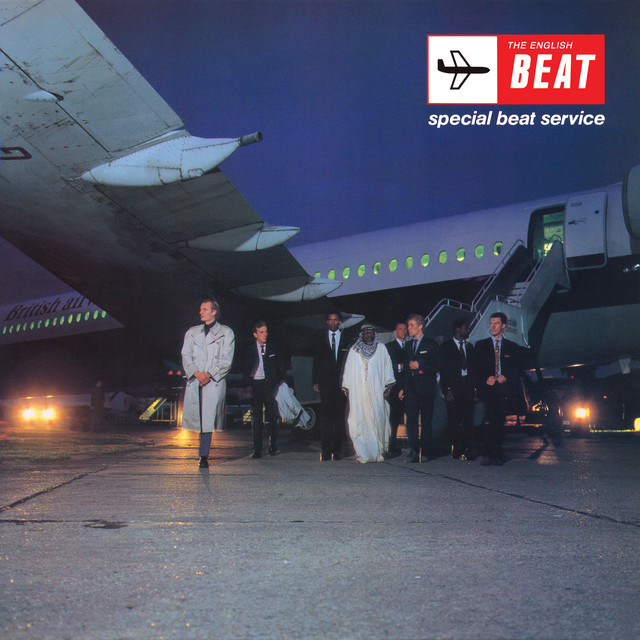
This playlist is what you get when someone who actually knows records decides that Sunday running doesn't have to mean stripped-down acoustic bullshit or singer-songwriter whispers. It's The English Beat into The Aggrolites into DEVO's "(I Can't Get No) Satisfaction" — a cover so twitchy and paranoid it makes Jagger sound well-adjusted. That's not accidental. That's someone understanding that easy doesn't mean boring, and Sunday doesn't mean surrender.
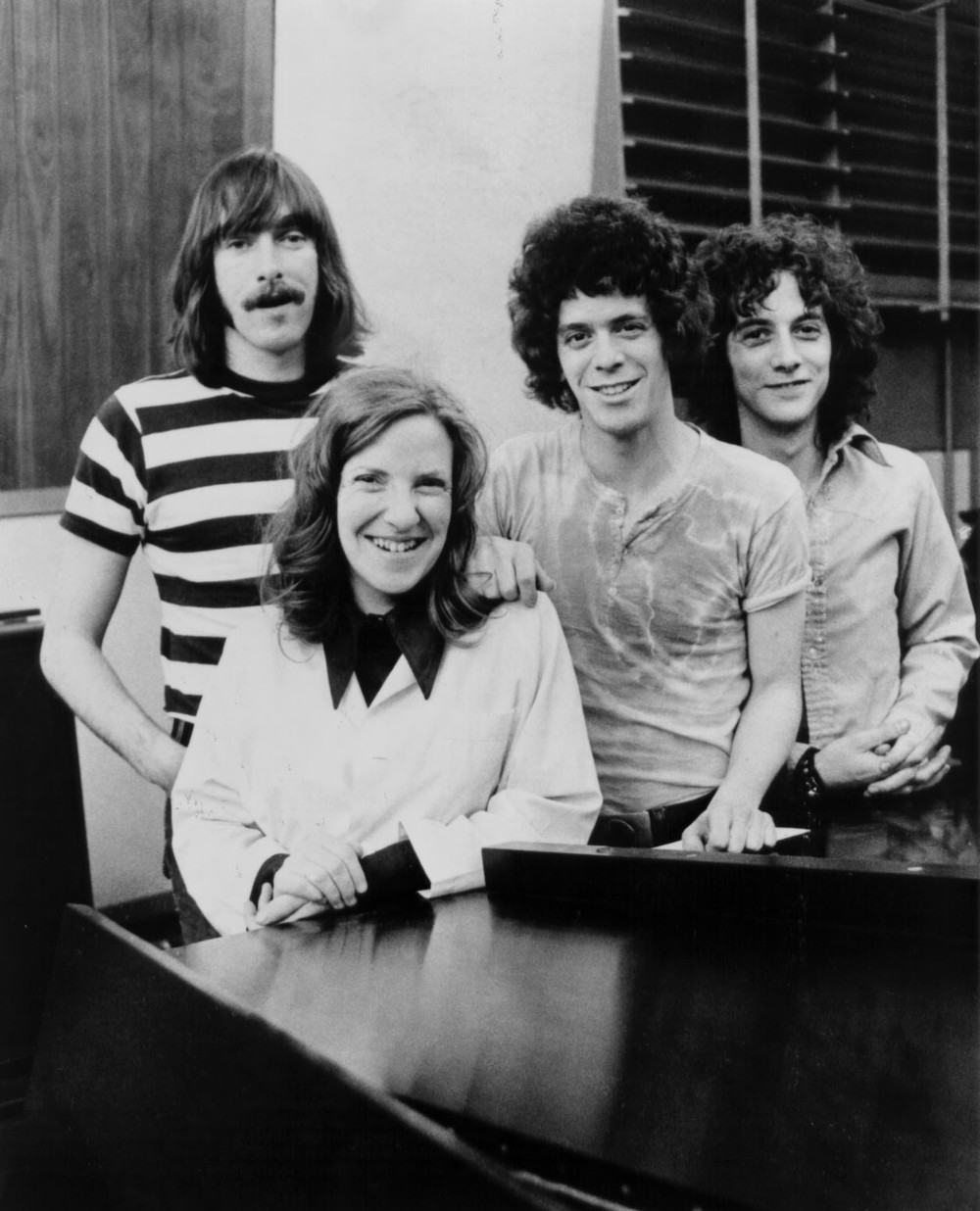
The genre thing here is the whole point. You've got CBGB and Madchester living on the same tracklist. Proto-punk and synthpop. The Velvet Underground showing up twice like Lou Reed is your running coach, which honestly explains a lot about why this hurts in all the right ways. It's 83 minutes, which means you're either doing a long run or you're procrastinating going home, and this playlist works for both.
What makes it work is that it never sits still. The Psychedelic Furs into Buzzcocks into The Clash — that's a record store employee's idea of pacing, not a fitness instructor's. The tempo is loose, hovering around 138 BPM but not married to it, because the energy comes from the attitude, not the metronome. These are songs that were recorded live, recorded fast, recorded before someone could overthink it.
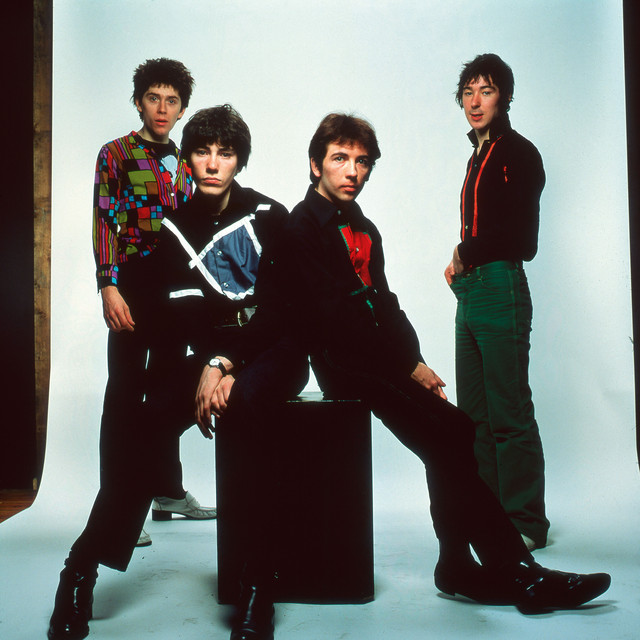
By the time you hit Missing Persons — two tracks back to back, which is a power move — you realize this whole thing has been building toward "Hanging On The Telephone." Blondie into Simple Minds into "Ghost Town" is the kind of closing sequence that makes you wonder if the run was just an excuse to hear these three songs in order.
I've listened to this four times now. Three of them were actual runs. One was just sitting in the store after close, reorganizing the New Wave section and wondering what came first: the need to categorize everything, or the fear that nothing connects unless you force it to. This playlist connects. It shouldn't, but it does. That's what makes Sunday mornings worth waking up for.
From the coach
Easy intro, peak twice, drift out controlled
Let the first four tracks settle you in. The BPM hovers around 125—conversational pace, nasal breathing only. Do not chase the ska bounce yet. Your heart rate should stay in zone 2. Use this window to lock your turnover, find your midfoot strike, let your hip flexors wake up.
Track 5 hits and the tempo jumps to 169. This is your first push block—eight tracks of post-punk aggression. You will not sustain 169 strides per minute, but let the energy pull your pace up into tempo range. RPE climbs to 6 or 7 out of 10. Breathe in threes now: three steps inhale, three steps exhale. The saxophone and guitar will spike your heart rate. Let them.
Track 9 brings the first recovery. BPM drops to 141, and you settle back toward threshold. Stay controlled here—you have another peak coming. Do not drift into shuffle mode. Keep your cadence crisp.
Around minute 55—about 66% through—"Bad Streets" arrives. This is the cognitive wall, not the physiological one. Your brain will ask you to stop before your legs need to. The track is sharp, rhythmic, relentless. Use the bassline as a metronome. Count four bars, reset your posture, keep your eyes up. Do not negotiate. Just hold.
The final two tracks drop to 115 BPM. This is your cooldown, not a collapse. Slow your turnover but keep your stride long. Nasal breathing returns. Let your heart rate descend gradually—no hard stop. Walk for three minutes after the last note fades.
You will finish controlled, not emptied.
FAQ
- How do I pace a run to this playlist?
- Start with Two-Tone to Ohio Art-Punk and let the ska-to-new-wave shift set your rhythm. UK Post-Punk, 1977-1984 is where you settle in. Lou Reed Coaches Your Midpoint is exactly what it sounds like — let the full-length "Rock & Roll" carry you through. The closing stretch (Blondie to Ghost Town) is for when you're tired but not done. Don't fight the tempo shifts — the attitude does the work.
- What kind of run is this playlist built for?
- Long, easy Sunday miles when you're not racing anyone or proving anything. 83 minutes means you're either doing 8-10 miles at conversation pace or stretching a shorter run because you don't want to go home yet. The BPM hovers around 138 but the vibe is loose — this isn't interval training, it's genre-hopping with a purpose.
- Why does this playlist jump genres so much?
- Because whoever made this knows records, not just running playlists. You've got CBGB scene next to Madchester, proto-punk next to synthpop, reggae next to art rock. It works because the attitude is consistent even when the sound isn't. These are bands who recorded fast, played live, and didn't overthink it. That energy translates whether it's The Clash or DEVO.
- What's the key moment in this playlist?
- "Bad Streets" by Missing Persons, about two-thirds through. It hits when you're deep enough into the run that your brain has stopped narrating and your body is just moving. Dale Bozzio's voice and those synthesizers remind you that sometimes the point isn't finding your way home — it's staying lost a little longer. That's the whole Sunday vibe right there.
- Why does The Velvet Underground appear twice?
- Because Lou Reed earns it. "Rock & Roll" shows up at the midpoint like a mission statement — seven minutes of why any of this matters. Then "Oh! Sweet Nuthin'" arrives later to close an argument you didn't know you were having. The Velvets anchor the whole playlist because they're the reason half these other bands exist. That's not filler, that's structure.
- Is 138 BPM too slow for running?
- Only if you think running is just about cadence. 138 BPM is Sunday pace — not sluggish, not urgent, just steady. The energy comes from the songs themselves: Buzzcocks is frantic even at moderate tempo, The Jam hits harder than the BPM suggests, and DEVO makes everything feel twitchy. You're not running to a metronome, you're running to attitude. Big difference.