acid rock · alternative rock · art rock · dream pop · egg punk at 138 BPM
On the run
I reorganized the post-punk section last week—not alphabetically, not by label, but by the order in which I understood what Ian MacKaye was actually doing. Wire's "Reuters" went first because it's 1977 and they're already there: the locked riff, the refusal to resolve, the anti-anthem stripped to its load-bearing studs. Unwound's "Corpse Pose" from 1996 went second because it's the same structural choice made independently in Tumwater, Washington, nineteen years later, and that gap is the tell. This isn't a genre. It's a posture.
THE LOOP runs 97 minutes and every city appears exactly once. Wire from London, Lungfish from Baltimore, Pylon from Athens, Archers of Loaf from Chapel Hill, Slothrust from Boston—all of them arriving at the same compressed form because the alternative requires infrastructure none of them had or wanted. Dynamics, crescendo, payoff: that's major-label machinery. What's here instead is endurance. The Evens—MacKaye's own acoustic duo—filed four tracks across this playlist, spanning 2005 to 2012, and every one of them does what Fugazi was already doing in the '90s: hold the line, don't escalate, sustain.
Running THE LOOP means running inside a machine that doesn't reward you for speeding up. It sustains. Unwound opens with math-rock dissonance, The Evens cool it to spare acoustic tension, Wire files the blueprint from 1977. Lungfish's "Love Will Ruin Your Mind" is the first time the playlist admits what it's been doing: this is not aggression, it's repetition as philosophy. By the time you hit Slothrust's "Crockpot" at the two-thirds mark, your body has learned what the tracklist knew from the start—you don't win by going faster, you win by refusing to slow down.
The thing I couldn't explain to the guy who asked why there's no Nirvana on here: because Nirvana had quiet-loud-quiet, had dynamics, had resolution. THE LOOP is what happens when you strip all that away and what remains is just the locked groove, the blunt riff, the refusal. Sonic Youth's "Bull In The Heather" is as close as this playlist gets to accessible, and even that's Thurston Moore refusing to give you a chorus you can sing. Ty Segall, Fuzz, Autolux—every band here made the same choice. No escalation. Just the endurance to keep the machine running.
From the coach
Sustain the loop. Don't chase the exit.
Warm up through the first two tracks without chasing tempo. Let your heart rate settle into conversational pace. The music won't escalate, so don't.
From track 6 onward, the run asks you to hold, not push. These tracks don't build to a payoff—they repeat, lock in, sustain. Your job is to match that: find your threshold pace and refuse to drift above or below it. No surges. No coasting. The structure is the effort.
Around track 19—roughly two-thirds through—"Crockpot" arrives. This is the cognitive wall, not the physiological one. Your legs still have capacity; your focus is fraying. Use the track's sludge-weight guitar as an anchor. Let the repetition do the work. Don't fight it. Don't romanticize it. Just hold.
The final six tracks strip down further but demand the same discipline. No victory sprint. No relief ramp. You cool down by staying inside the loop: same turnover, softer effort, breath still controlled. The playlist doesn't resolve. Neither do you.
FAQ
- How do I pace a 97-minute playlist like THE LOOP?
- Don't treat it like a progression—treat it like a machine. The roadmap moves from Wire's 1977 blueprint through The Lungfish Doctrine into Chapel Hill/Athens/Dunedin, then the Wall Breaker Zone at two-thirds. But the tempo doesn't escalate; it sustains. Let the locked repetition teach your legs the same lesson: you don't win by speeding up, you win by refusing to slow down. Start controlled, stay controlled.
- What type of run is THE LOOP built for?
- Long, steady efforts—10+ miles, easy pace, the kind of run where you're not chasing a PR, you're chasing clarity. The 97-minute duration and relentless locked-groove structure work best when you're not trying to sprint. This is endurance music for endurance running: no crescendo, no payoff, just the refusal to quit. If you're doing intervals, this will frustrate you. If you're doing a long Sunday grind, it'll lock in perfectly.
- Why is THE LOOP mostly post-punk and noise rock—does the tempo actually match running?
- The BPM is variable—some tracks push 160+, others drop to 120—but that's not the point. The locked repetition, the blunt riff, the refusal to resolve: that's what matches running. Wire, Lungfish, Unwound, The Evens—they all made the same structural choice, and your stride locks into the repetition, not the speed. It's not about cadence sync; it's about teaching your body to sustain without escalation.
- What's the emotional peak of THE LOOP?
- Slothrust's 'Crockpot' at 64 minutes. It's the Wall Breaker—the moment where the playlist's thesis becomes physical. Leah Wellbaum's sludge-metal guitar compressed into a noise-rock frame, the same locked refusal Lungfish was forcing in 1992. You're two-thirds through the run, your legs are holding the line, and the song teaches you what the whole playlist has been saying: endurance isn't about pushing harder, it's about refusing to stop.
- Why is The Evens all over this playlist—six tracks from one band?
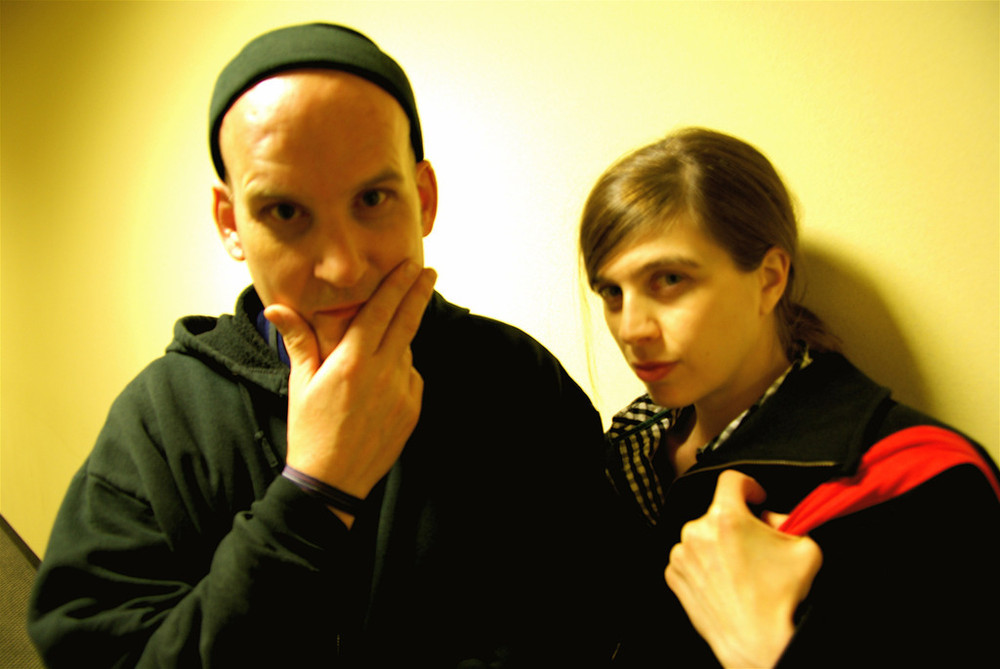
- Because Ian MacKaye spent thirty years proving you don't need distortion, major-label machinery, or crescendo to lock the groove. The Evens is him and Amy Farina, acoustic duo, 2005-2012, and every track here does what Fugazi did in the '90s: hold the line, don't escalate, sustain. Wire filed the blueprint in 1977, Lungfish answered in Baltimore, and MacKaye kept refining it. Six tracks isn't repetition—it's a masterclass.
- Is THE LOOP good for a 5K or is it overkill?
- Overkill. THE LOOP is 97 minutes of locked repetition—it's built for long efforts where you need the machine to keep running without reward. A 5K is over in 20-30 minutes; you'll barely get past the Wire/Unwound/Evens opening before you're done. Save this for 10+ mile runs, long Sunday grinds, or the kind of effort where you're not chasing speed, you're chasing the refusal to quit.