egg punk · garage rock · krautrock · neo-psychedelic · noise rock at 140 BPM
On the run
There's a spring afternoon in 2022 I still think about—standing in the store, Deeper's "This Heat" playing on the turntable, and a guy asks me if it's new Big Black. It's not, but I understood the question immediately. That guitar tone, that compression, that specific Chicago post-punk DNA that runs from Touch and Go through to 2019. The thing he heard—the thing that made him think Steve Albini—is the same formal constraint that makes YAR work as a running playlist: post-punk's 2019–2023 scatter without a capital.
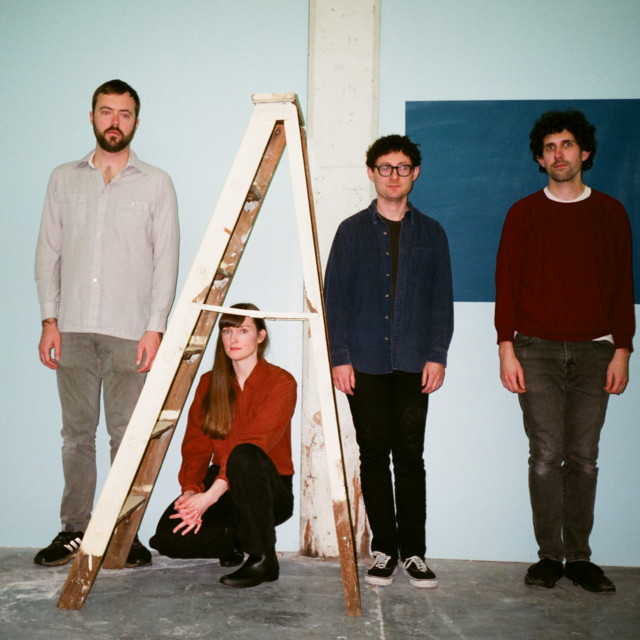
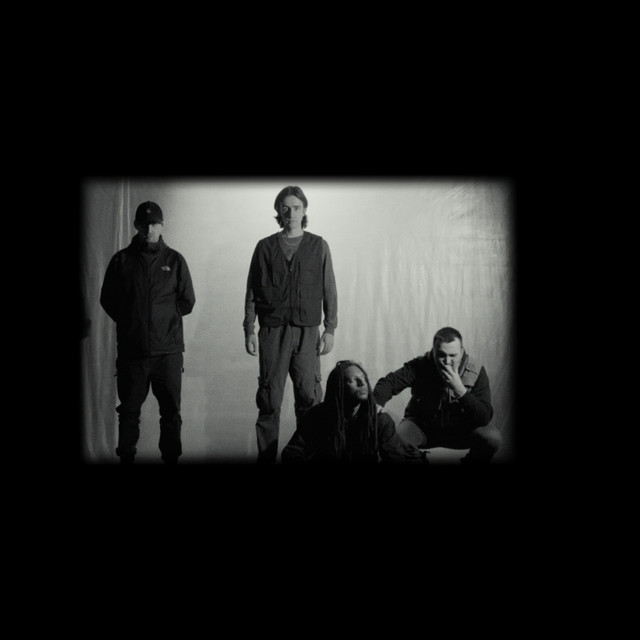
DITZ in Brighton, Folly Group and JOHN (TIMESTWO) releasing in the same 2021 window, Egyptian Blue out of Colchester, Deeper from Chicago—five cities, zero contact, no shared producer. Yet every act here independently landed inside egg punk and noise rock's narrow chassis not through scene loyalty but through a specific response: when the environment is generating noise you didn't ask for, the only honest response is controlled descent. The Genius annotation that stops the clock mid-song and the one that names a laughing algorithm acting without instruction are both documents of the same condition—music made in the moment humans lost confidence that systems behave as designed.
The structural choice was to route that ambient dread through the body rather than the lyric. High energy (0.78), mid-valence (0.461), a falling BPM arc from Flat Worms' 170 down to noonday underground's 90. Start fast enough to outrun the signal, end slow enough to have actually processed it. That's why the back half costs more than the front did—you're carrying what you've learned.
I'm thinking about this because the playlist's shape is the run's shape. AK/DK and Deeper ignite hot, Lithics and Flat Worms hold the tension at 165 BPM, and by the time DITZ's "The Warden" hits at mile 4, you've metabolized the dread into forward motion. The La Luz section—"Loose Teeth" and "Cicada" back-to-back—sounds like surf rock recorded in a basement during a power outage, and that's the moment the playlist stops pretending everything's fine.
YAR isn't about pretending. It's about the last half mile where everything either works or doesn't, and the only way through is to keep moving. I still don't know if that's wisdom or just stubbornness. I run anyway.
From the coach
Hot ignition, long middle, costly finish
Give the first two tracks easy effort. Let heart rate settle below threshold even as the BPM sits near 146. You're not racing the tempo yet — you're building the platform.
Tracks 3 through 12 hold the long middle: 141–146 BPM, high energy, steady demand. This is tempo pace. Breathe every four strides. Let the beat set your turnover but keep RPE at 7 out of 10. The playlist doesn't spike — it grinds. So do you.
Around track 14, you hit 66 percent of the run. "The Warden" locks at 140 BPM exactly. Your brain will try to bail before your body needs to. Cognitive fatigue, not physiological. Anchor to the snare. Hold your stride length. Do not drift.
Tracks 17 onward drop to 90–132 BPM. The tempo falls but effort stays threshold or climbs. This is controlled descent under load. Shorten your stride. Keep turnover high. The last four tracks cost more than the first four did.
No cooldown here. The run ends hot.
FAQ
- How do I pace a run to YAR?
- Start aggressive with Brighton, Chicago, JOHN: 2019-2021—those first three tracks are pure ignition. Hold steady through the 165 BPM Straight Through section (tracks 4-6), then let The Algorithm Section metabolize the tension around mile 3. The 90 BPM Descent (tracks 17-19) will feel slow, but your heart rate won't drop—trust it. The last four tracks are exit velocity, not recovery.
- What type of run is YAR built for?
- This works best for 10K efforts or tempo runs where you're chasing discomfort, not avoiding it. The falling BPM arc means you can't coast—every mile costs more than the last. Not ideal for easy days or long slow distance. This is for the run where you're trying to figure something out, and you already know it won't work.
- Does the BPM actually match running cadence?
- The playlist averages around 140 BPM, which sits right in the tempo run sweet spot—too fast to jog, too controlled to sprint. Flat Worms hits 170, which will spike your turnover, and noonday underground drops to 90, forcing you into a grinding half-time stride. The BPM progression is deliberate: hot ignition, long metabolic hold, controlled descent.
- What makes 'The Warden' by DITZ the key moment?
- It's track 16, two-thirds through, exactly when your body needs instruction and your brain has none. DITZ recorded this in Brighton with no reference to Chicago noise rock, yet the guitar compression is Touch and Go DNA. The BPM locks at 140—too slow to sprint, too fast to coast—and lyrically it refuses resolution. That refusal is the run's reality.
- Why is egg punk good for running?
- Egg punk is post-punk stripped to chassis—high energy, mid-valence, no wasted motion. It's music made by people who figured out that when the environment is noisy, you don't add more noise, you route the dread through the body. Short songs, tight structures, no room for coasting. That formal constraint matches the run's constraint: forward is the only option.
- Is this playlist better for 5K or half marathon distance?
- Neither, honestly. At 62 minutes, it's too long for most 5Ks and too short for a half. This is 10K music—six miles where the back half costs more than the front. If you're racing a 5K, start at track 4. If you're training for a half, loop it twice and prepare to metabolize a lot of dread.