Here's what I love about synthpop for running: it's built on machines that don't drift, don't rush, don't drag. Roland TR-808s, Linn LM-1s, Sequential Circuits Prophet-5s—these instruments lock into tempo with industrial precision. When you're trying to maintain cadence on mile seven of a Lakefront Trail run, that mechanical consistency becomes your best friend. The BPM range here—126 to 154, averaging 141—lands right in that sweet spot where you can settle into rhythm without constantly adjusting your stride.\n\nThe playlists prove the genre's range. "80'S NEW WAVE" pulls from the Synth Britannia era when Mute Records and Factory were churning out singles that married melancholy lyrics to danceable beats. "LET'S GO!" skews more aggressive, likely drawing from the DFA Records lineage where synth arpeggios meet punk energy. "SUNDAY RUNDAY" suggests something lighter—maybe more Pet Shop Boys than Cabaret Voltaire. The point is that synthpop evolved across decades, from Gary Numan's cold dystopian soundscapes through the glossier production of Trevor Horn's ZTT stable, all the way to the LCD Soundsystem revival of punk-funk synthesis.\n\nWhat makes this genre particularly effective is how the synthesizer timbres cut through wind noise and traffic. Those bright, buzzing oscillators and gated reverb snares don't get lost when you're pounding pavement near the Loop. The related genres—power pop, jangle pop, britpop—all share DNA but lack that rigid electronic backbone. Synthpop doesn't breathe or sway; it propels. When Human League or New Order programmed a drum pattern, they built a metronome you could run to for ten hours straight, which is exactly how much music we've got here.
Synthpop
Drum Machines, Sequencers, and the Steady Pulse of Forward Motion
FAQ
Why does synthpop work better for running than other electronic genres?
Synthpop emerged in an era when drum machines and sequencers were new tools, and producers used them to create relentless, unchanging rhythms. Unlike house or techno that evolved later with more complex programming, classic synthpop keeps beats simple and forward-driving. That 126-154 BPM range also hits a natural running cadence—fast enough to keep you moving but not so frantic you're sprinting the whole time.
Which playlist should I start with if I want uptempo energy?
"LET'S GO!" is your best bet for high-energy runs. The title alone suggests faster tempos and more aggressive production choices. If you want something more measured for long, steady efforts, try "SUNDAY RUNDAY"—it'll likely pull from the melodic, mid-tempo side of the genre. "80'S NEW WAVE" sits somewhere in the middle, giving you that classic Yazoo-to-Depeche Mode spectrum of moody but propulsive tracks.
What's the connection between synthpop and the related genres listed here?
Power pop and jangle pop share synthpop's love of hooks and bright production, but they rely on guitars instead of synthesizers. Britpop acts like Pulp and Blur borrowed heavily from New Romantic synth textures. Dream pop and art pop took the atmospheric qualities of synth production into more experimental territory. If you like the melodic side of synthpop, explore those genres—if you're here for the rigid electronic pulse, stick with the machines.
Is 141 BPM too fast for easy runs?
Not necessarily—141 BPM is actually right in the middle of a comfortable running cadence for most people. Many runners naturally land around 160-180 steps per minute, so a 141 BPM track syncs nicely if you hit every other beat or every third beat. The beauty of synthpop is that even at faster tempos, the music doesn't feel frantic. It's steady, locked-in, and hypnotic—perfect for zoning out on longer efforts.
Top Artists
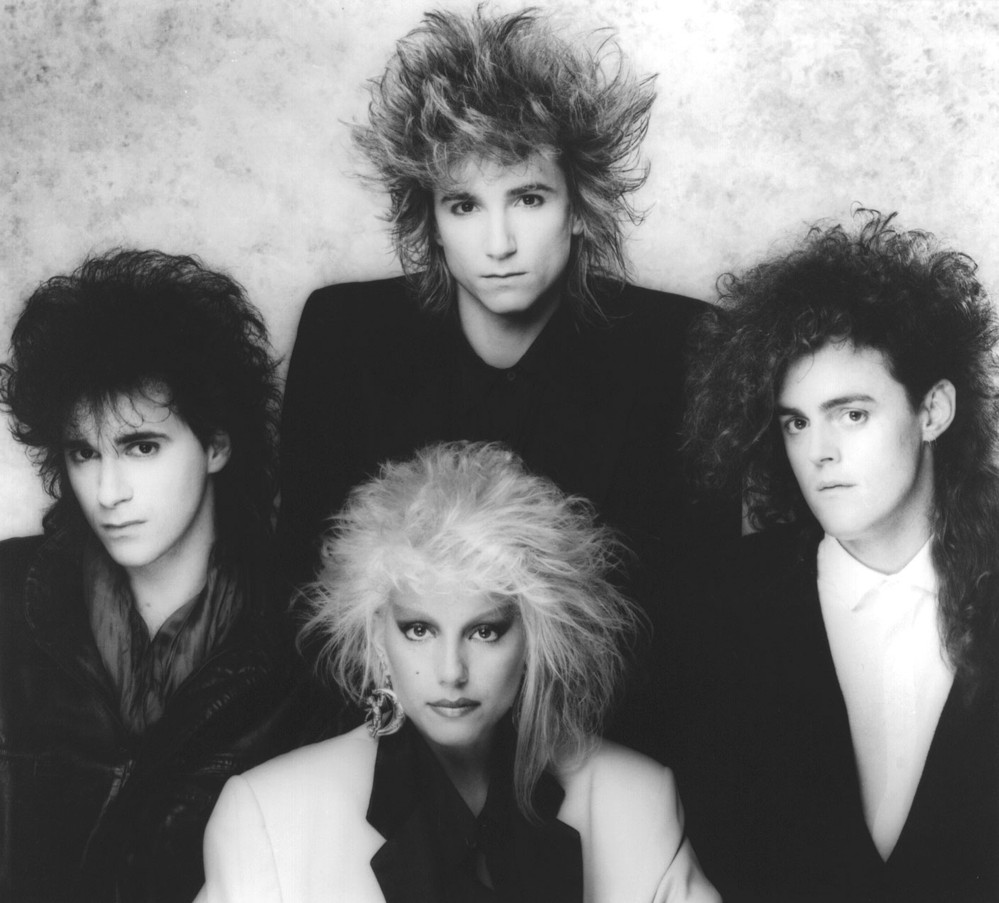 Missing Persons
2
Missing Persons
2
 Class Actress
2
Class Actress
2
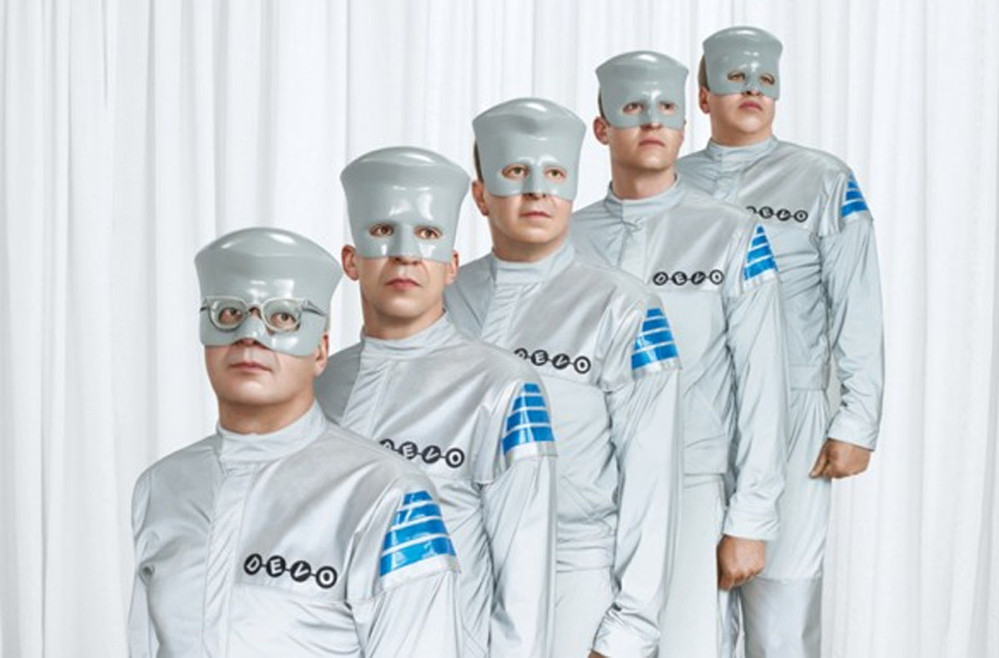 DEVO
2
DEVO
2
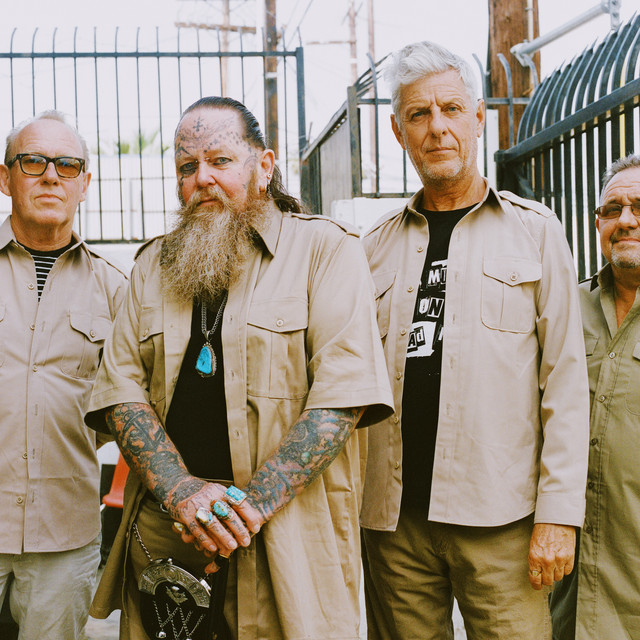 Modern English
2
Modern English
2
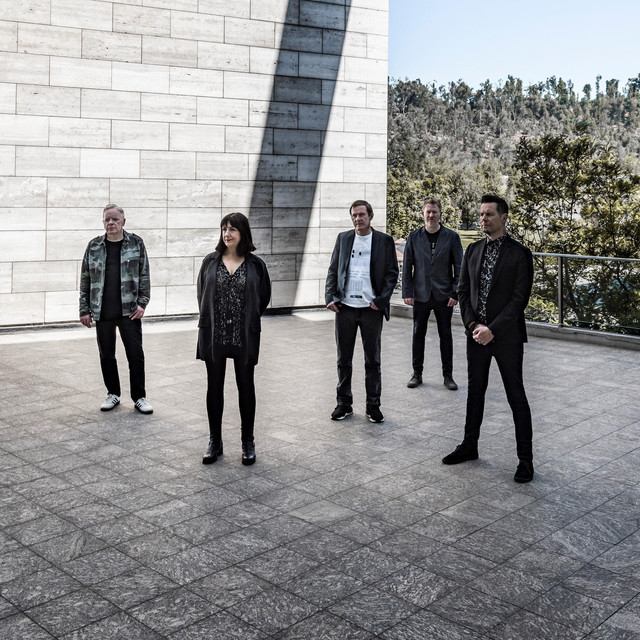 New Order
1
New Order
1