Here's what I know about power pop: it's the most underrated running fuel in the entire pop universe, and I will defend this position to anyone who'll listen on the Lakefront Trail.\n\nThe BPM range—129 to 157, averaging 146—aligns almost suspiciously well with running cadence. But the real magic isn't just the tempo. It's the structure. Power pop lives and dies by the three-minute song: verse-chorus-verse, guitar solo, out. No extended ambient intros, no seven-minute prog odysseys. When you're at mile eight and need momentum, a band like Cheap Trick or The Raspberries won't waste your time. They hit the hook in the first fifteen seconds and keep hitting it until you're singing along between breaths.\n\nPlaylists like PISSEDOFFEDNESS and LET'S GO! understand what makes this genre tick: crunchy guitars, harmonized vocals, and melodies so sticky they lodge in your brain for the entire second half of your run. The punk rock energy is there—check RETURN OF THE PUNK ROCK SURF MONSTER—but filtered through Beatles-obsessed melody worship. It's aggression with craft, which is exactly what a tempo run demands.\n\nThe lineage matters here. Big Star to Matthew Sweet to Fountains of Wayne—every generation has its power pop torchbearers, all of them writing songs that feel effortless but are actually meticulous little machines. That tension between polish and raw energy translates perfectly to running, where you're trying to make hard effort look smooth.\n\nWant to go deeper? The related genres are your roadmap: synthpop adds keyboards to the formula, jangle pop leans into Rickenbacker chime, britpop brings UK sneer. But pure power pop—the stuff on RUNAWAY and SUNDAY RUNDAY—stays true to the original blueprint: loud guitars, big choruses, songs that end before you want them to, which is exactly why you keep running.
Power Pop
Three-Minute Pop Perfection at 146 BPM
FAQ
Why does power pop work better for running than regular pop?
Power pop has structural urgency that mainstream pop often lacks. The songs are tightly wound—usually under three and a half minutes—with immediate hooks and consistent energy. There's no waiting through a minute-long intro or a languid bridge. Bands like The Knack and Shoes built every second to propel you forward, which is exactly what you need when you're holding pace. Plus, the guitar-driven sound has more rhythmic punch than synth-heavy pop production.
Is 146 BPM too fast for easy runs?
The beauty of power pop's 129-157 range is the variety. Hit up SUNDAY RUNDAY for the lower end of that spectrum when you're doing recovery miles. Save PISSEDOFFEDNESS and LET'S GO! for tempo work or fartlek sessions. Not every power pop song is The Romantics' 'What I Like About You'—though when it is, you'll know exactly what to do with that energy.
What's the difference between power pop and punk for running?
Punk hits harder and faster, but power pop has better melodic staying power for long runs. You can actually sing along with Teenage Fanclub or Jellyfish, which helps regulate breathing and makes mile ten less miserable. Power pop kept punk's urgency but added vocal harmonies and guitar solos you actually want to hear. Think of it as punk rock for people who owned both Ramones and Beach Boys records.
Should I explore the related genres like jangle pop and synthpop?
Absolutely. Jangle pop brings in The Byrds influence—more chime, slightly lower intensity, great for cruising through Chicago neighborhoods on Sunday mornings. Synthpop takes the same song structures but swaps guitars for keyboards—think The Cars or Cheap Trick's later stuff. Britpop adds UK attitude. They're all branches of the same melodic tree, so if power pop clicks for you, these genres will expand your rotation significantly.
Top Artists
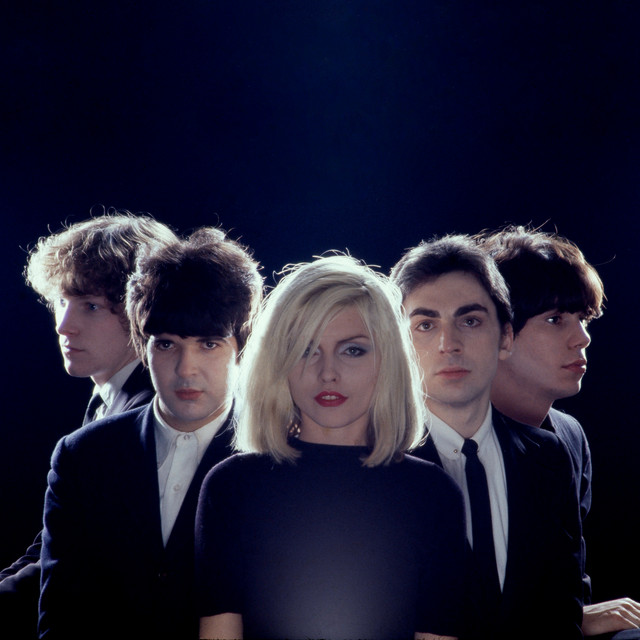 Blondie
2
Blondie
2
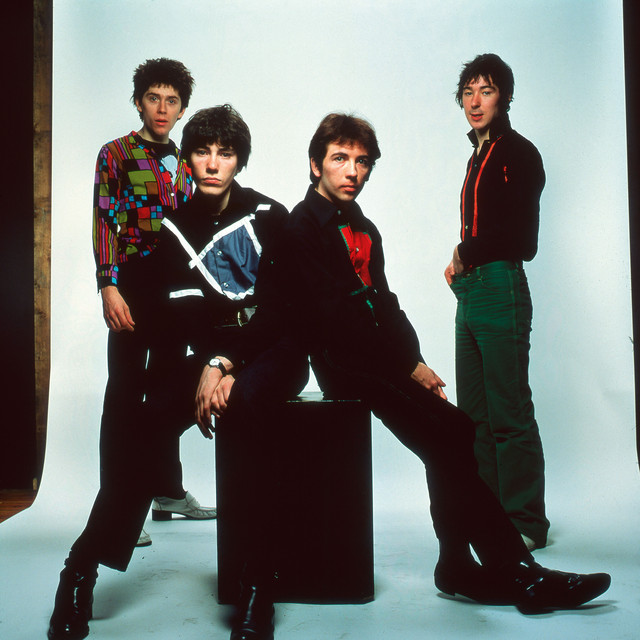 Buzzcocks
1
Buzzcocks
1
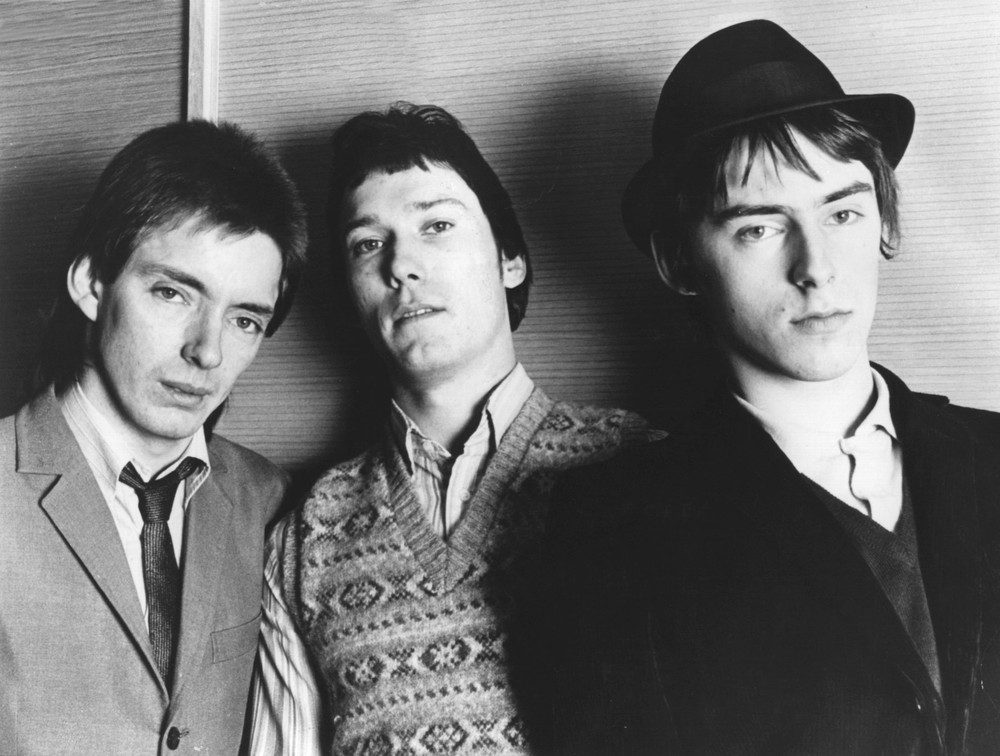 The Jam
1
The Jam
1
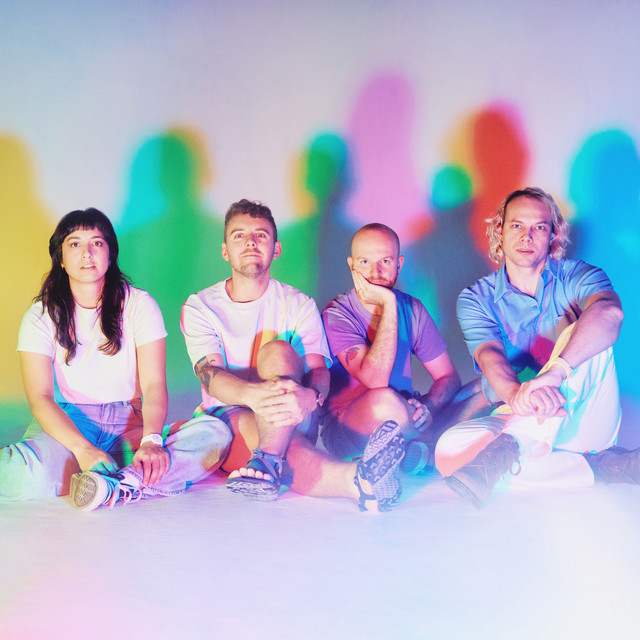 The Beths
1
The Beths
1
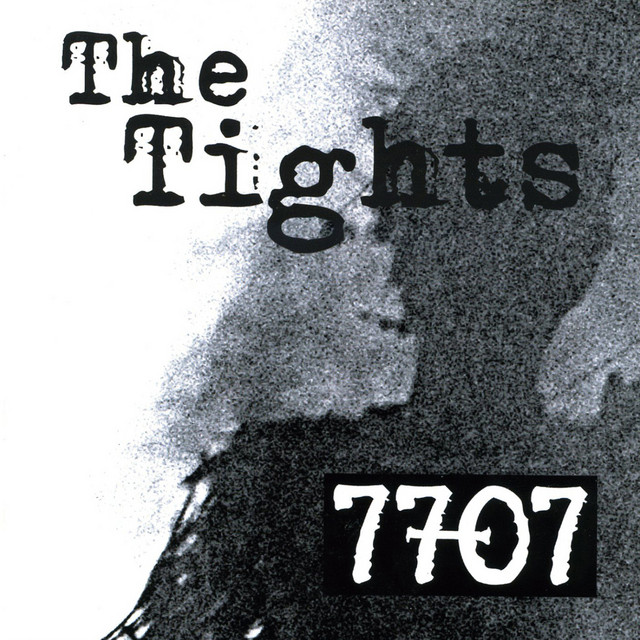 The Tights
1
The Tights
1