Here's what I know about jangle pop: it's the sound of Roger McGuinn's 12-string Rickenbacker run through the filter of every college radio station between 1983 and 1991, and it sits at exactly the right tempo to make you run faster without feeling like you're being chased by something terrible.\n\nThe BPM range here—126 to 154, averaging 141—isn't accidental. That's the sweet spot where the Paisley Underground met C86 cassette culture, where R.E.M.'s "Radio Free Europe" shares DNA with The Smiths' jangly Marr riffs and The Church's shimmering atmospherics. When I'm doing tempo runs along the Lakefront Trail, I queue up our 80'S NEW WAVE and LET'S GO! playlists specifically because that 140-145 BPM pocket matches a strong running cadence perfectly. You're not sprinting, but you're not exactly cruising either—you're moving with purpose, propelled by all those chiming guitars and breathy vocals.\n\nWhat makes jangle pop exceptional for running is the production aesthetic itself. Unlike the synthetic precision of synthpop or the wall-of-sound density of shoegaze, jangle pop has this clean, bright, almost crystalline quality. Those arpeggiated guitar lines and chorus-drenched chords create forward momentum without aggression. Check our CHICAGO 2 LONDON playlist for the transatlantic conversation between Midwestern college rock and British indie—it's all propulsive energy wrapped in melancholy.\n\nIf you're digging this sound, explore the related genres: power pop for punchier hooks, dream pop when you want things hazier, or britpop for the mid-90s evolution. The MIXTAPE 1 collection pulls all these threads together—four hours of proof that the best running music sometimes comes from bands who probably never ran anywhere except to the merch table after soundcheck.
Jangle Pop
Chiming Guitars and Forward Motion Since 1983
FAQ
Why does jangle pop work better for steady runs than intervals?
The genre's consistent tempo and texture—those cascading guitars, the steady rhythmic drive—creates a hypnotic forward momentum that's ideal for maintaining pace. Unlike genres with dramatic builds and drops, jangle pop keeps the energy level remarkably even. That 126-154 BPM range maps perfectly to aerobic running cadence, and the sonic brightness keeps you alert without amping you up. Save the interval work for post-punk or garage rock.
What's the difference between jangle pop and power pop for running?
Power pop hits harder—bigger hooks, crunchier guitars, more Beatles-via-Big-Star punch. Jangle pop floats more, emphasizes those chiming 12-string textures and reverb-soaked atmospherics. Both sit in similar BPM ranges, but jangle pop feels lighter, more contemplative. Power pop is for when you need aggressive energy; jangle pop is for when you want to cover distance while feeling almost weightless. Different tools for different runs.
Can jangle pop sustain a long run or does it get too samey?
Fair question—the genre definitely has a sonic template. But here's the thing: that consistency is exactly what makes it work for distance. Our four hours of playlists span the Paisley Underground, C86 cassette bands, early R.E.M., Aussie jangle like The Church, and modern indie revivalists. The variation lives in the songwriting and regional accents, not radical sonic shifts. For a 90-minute Sunday run, that steady aesthetic is meditative, not monotonous.
Is this music too mellow for racing or harder efforts?
Depends on your wiring. The 140-154 BPM upper range—stuff from our LET'S GO! playlist—absolutely works for tempo runs and even shorter races. You're getting driving energy without meathead aggression. That said, if you need raw intensity for a 5K, you'll probably want something gnarlier. But for half-marathon pace work or marathon racing? Jangle pop's relentless but never punishing quality is genuinely ideal. Test it on a threshold run and see.
Top Artists
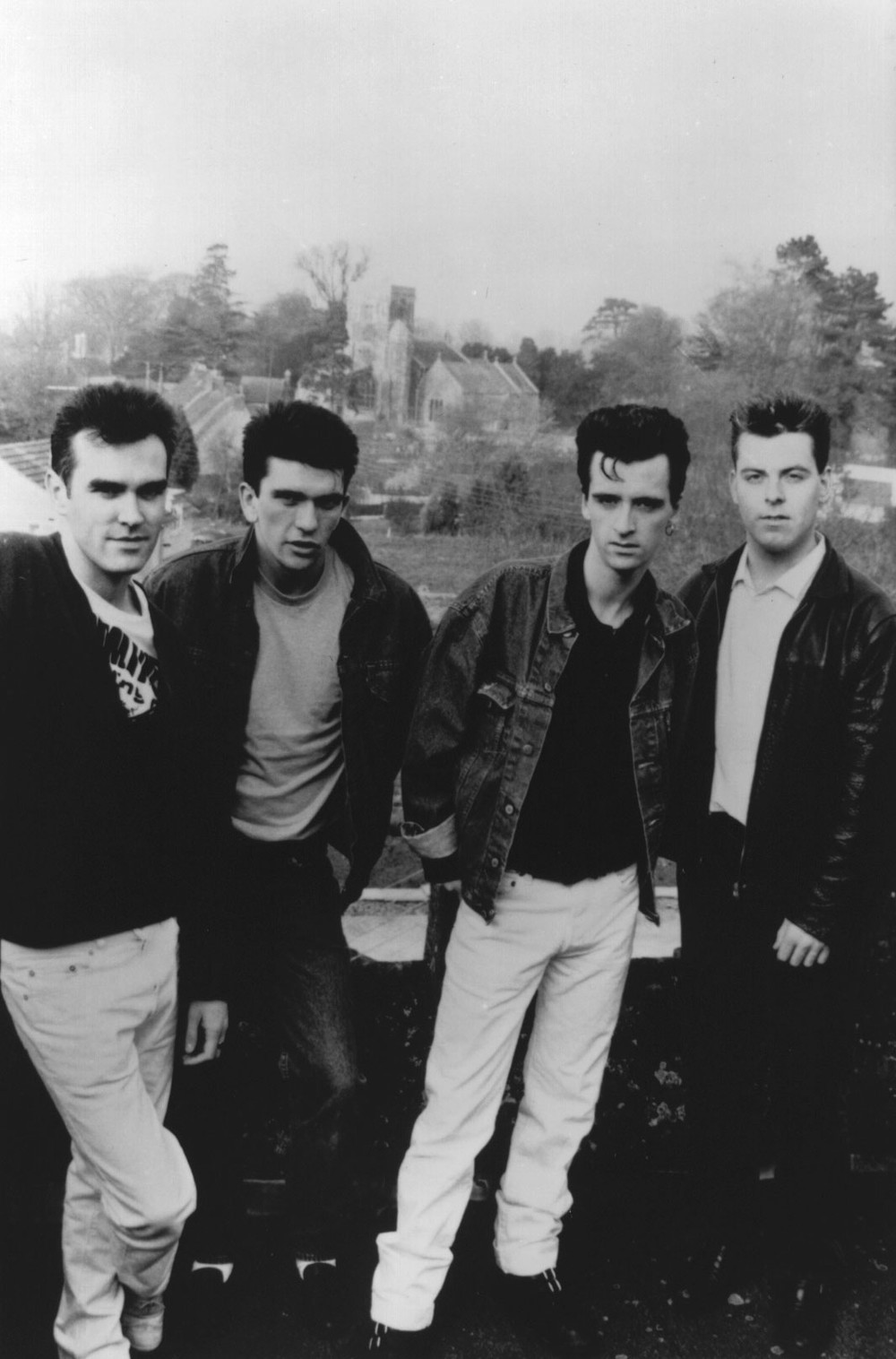 The Smiths
3
The Smiths
3
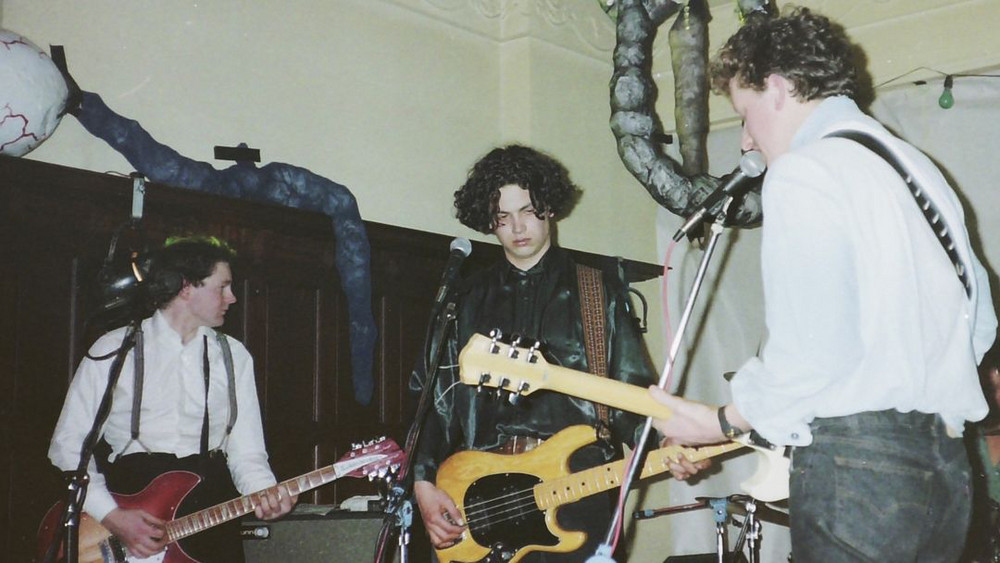 The Clean
2
The Clean
2
 Pretenders
1
Pretenders
1
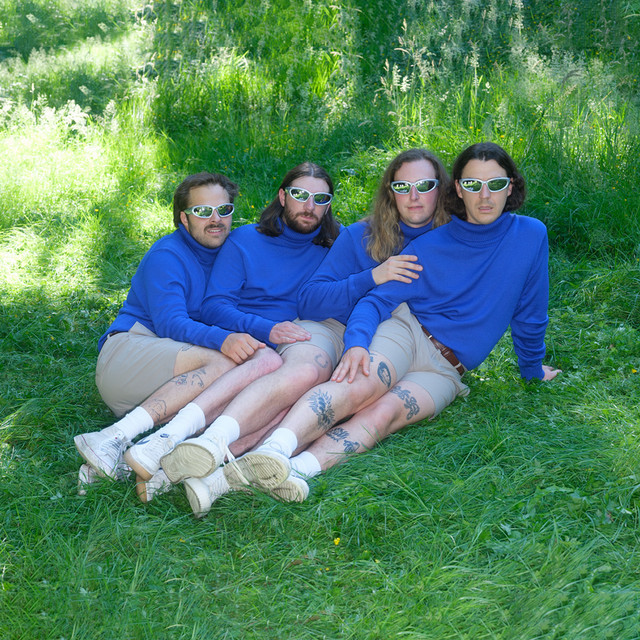 Peach Pit
1
Peach Pit
1
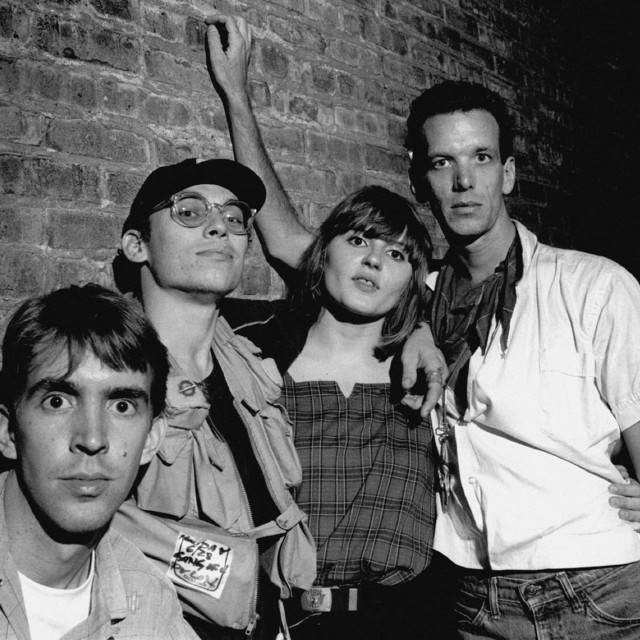 Pylon
1
Pylon
1