I'll confess something: I spent most of the '90s thinking dream pop was music you listened to while staring at bedroom ceilings, not while logging miles on the Lakefront Trail. Then I queued up a playlist heavy on Cocteau Twins, Slowdive, and Beach House at 124 BPM and realized I'd been missing the entire structural foundation beneath all that gorgeous reverb.\n\nDream pop sits in this perfect 120–127 BPM pocket that matches a moderate running cadence while wrapping you in layers of shimmering guitars, breathy vocals, and synth washes that feel like running through fog. The playlists here—50, CHICAGO 2 LONDON, and COAST—understand that the genre's propulsive drum machines and metronomic bass lines (thanks, 4AD Records) create a rhythmic anchor while the upper frequencies dissolve into atmosphere. It's the difference between jogging through Lincoln Park and jogging through a Lush B-side.\n\nWhat makes dream pop work for running is the same thing that makes it work on headphones at 2 AM: repetition as meditation. Those krautrock-influenced motorik beats that bands like Stereolab and Ride borrowed create hypnotic forward motion. You're not getting adrenaline-spiked tempo changes or hype-man vocals—you're getting three minutes of the same drum pattern, the same chord progression, building imperceptibly until you've run four miles in what feels like continuous, unbroken time.\n\nIf you're already into dream pop for running, check the related genres: jangle pop brings more guitar jangle and less reverb, power pop amps up the tempo, and synthpop strips away the guitars entirely. But dream pop remains the only subgenre where shoegaze texture meets danceable BPMs, where you can run hard while feeling like you're floating.
Dream Pop
Reverb, Haze, and the Rhythm of Steady Miles
FAQ
Why does dream pop work better for running than I expected?
Because underneath all that reverb and delay, most dream pop is built on drum machines and steady bass lines that lock into running cadence. Bands like Slowdive and Chapterhouse were using the same Roland TR-808s and sequencers that house producers used—they just buried them under walls of guitar. That rhythmic foundation keeps you on pace while the textural layers make the miles dissolve.
What's the ideal run type for dream pop?
Long, steady efforts—think 8-mile lakefront runs or easy recovery days. The 120–127 BPM range matches a comfortable aerobic pace, and the genre's hypnotic repetition works best when you're settling into rhythm rather than chasing intervals. Dream pop rewards endurance, both musical and physical. Save your speed work for power pop.
Which dream pop playlist should I start with?
Try COAST first—the name alone suggests the kind of sustained, oceanic drift the genre does best. CHICAGO 2 LONDON likely bridges American indie dream pop (Galaxie 500, Mazzy Star) with British shoegaze, while 50 might be a greatest-hits approach. All three hover around that 124 BPM average, so pick based on mood, not tempo.
How is dream pop different from shoegaze for running?
Dream pop emphasizes melody and rhythm more than shoegaze's pure texture-as-sound approach. My Bloody Valentine is shoegaze—brilliant, but the tempo shifts and noise bursts can throw off your pace. Dream pop keeps the ethereal guitars but adds motorik drums and actual song structure. It's the difference between running through distortion and running on clouds with a metronome.
Top Artists
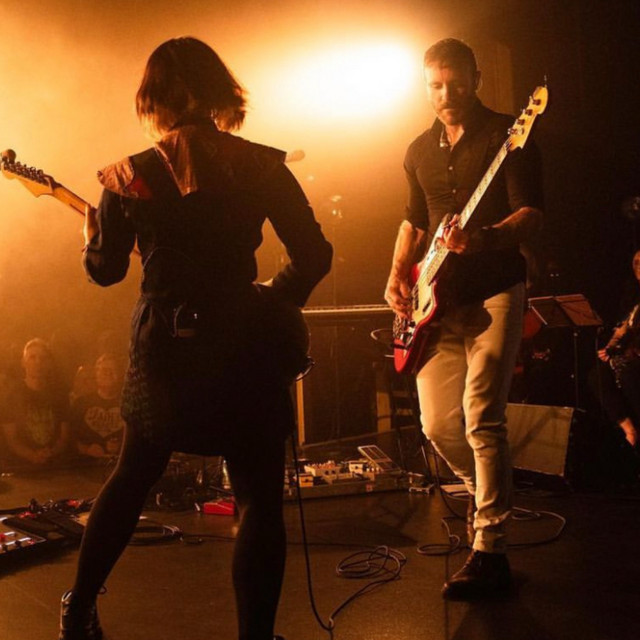 The Joy Formidable
1
The Joy Formidable
1
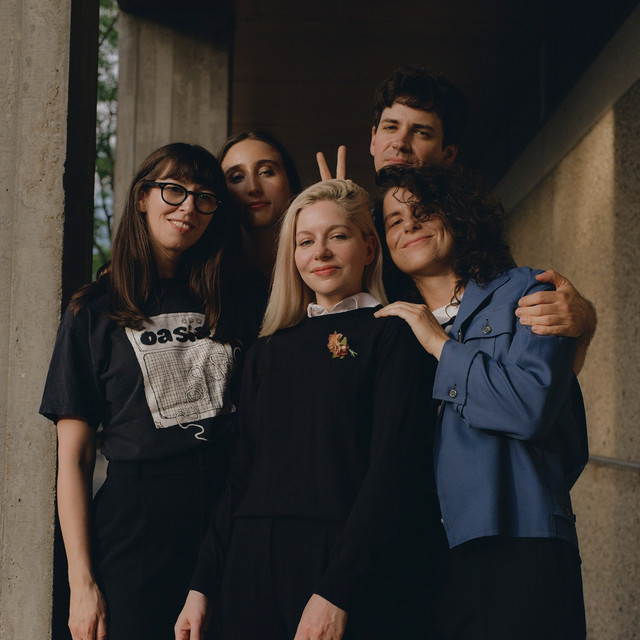 Alvvays
1
Alvvays
1
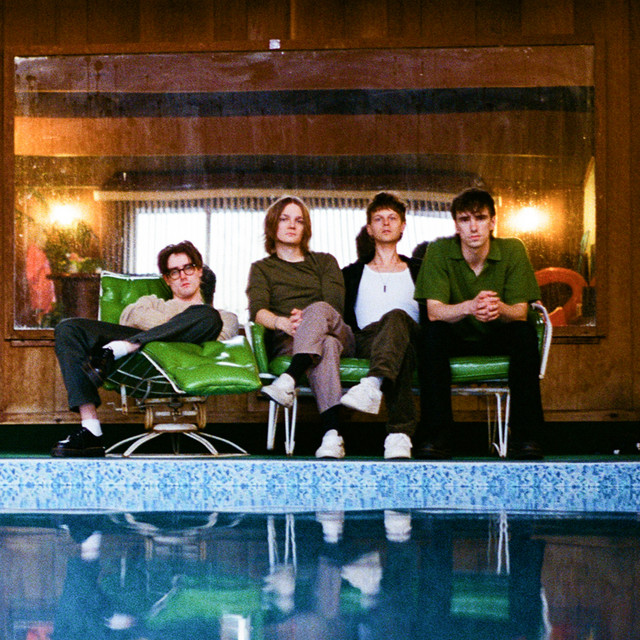 Hippo Campus
1
Hippo Campus
1
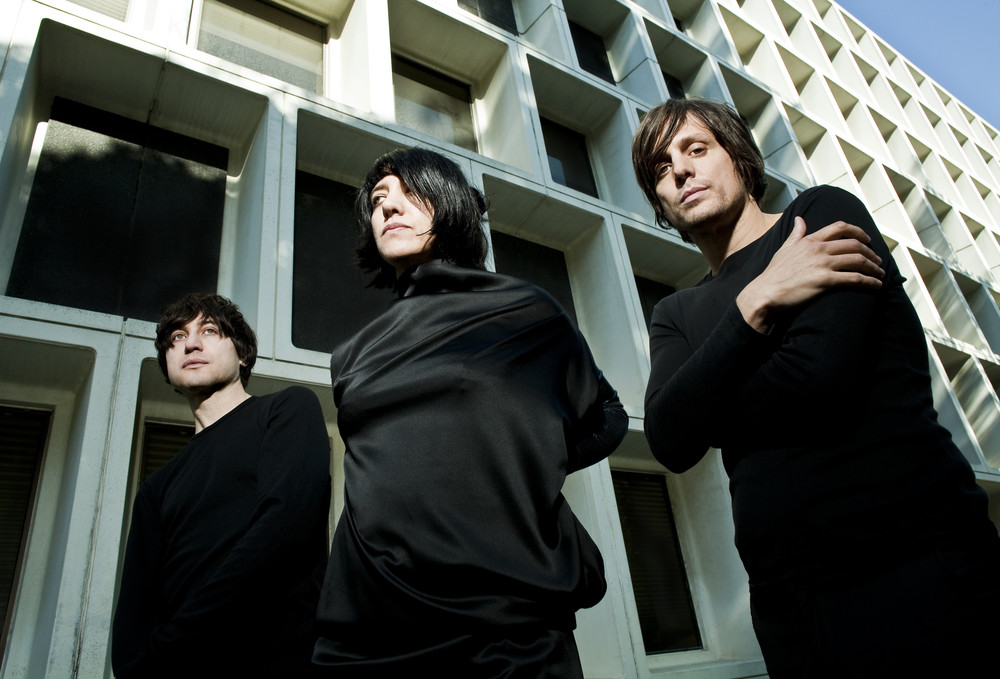 Autolux
1
Autolux
1
 Lana Del Rey
1
Lana Del Rey
1