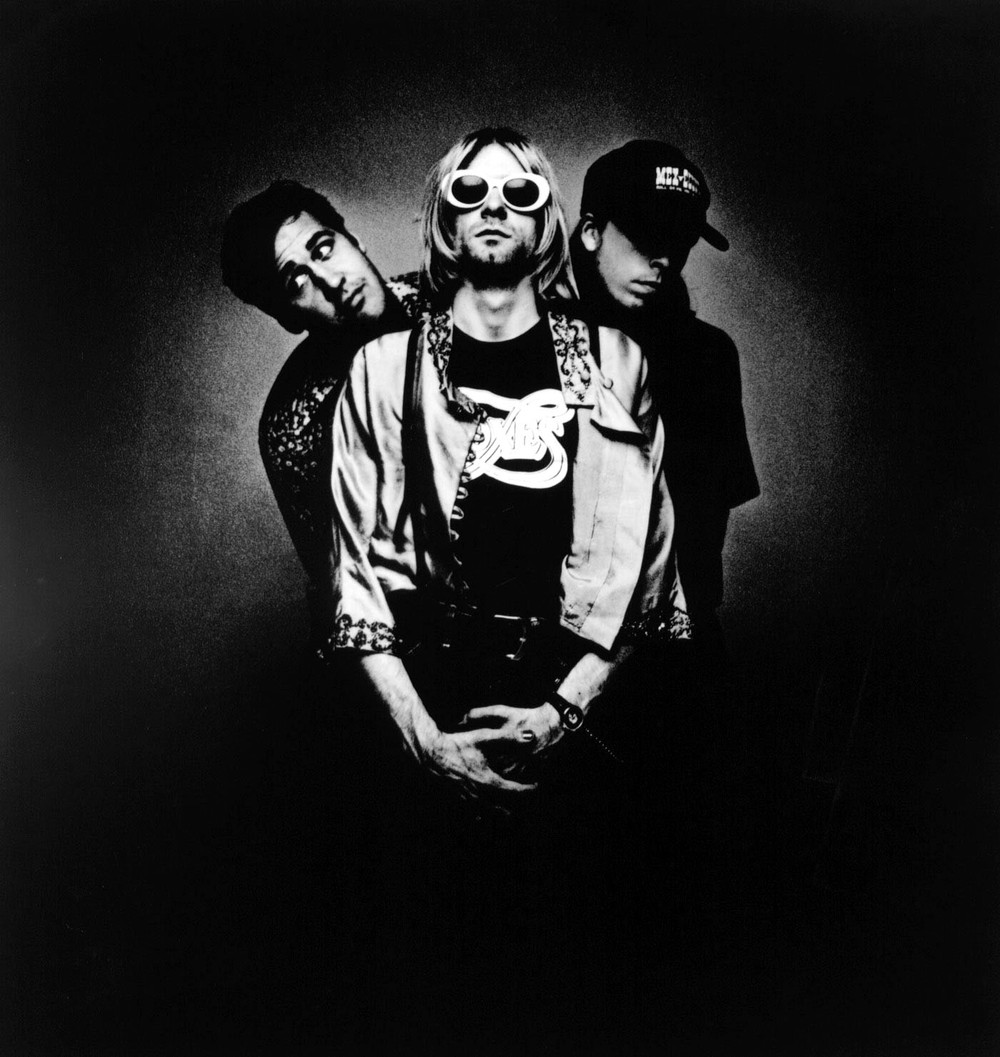
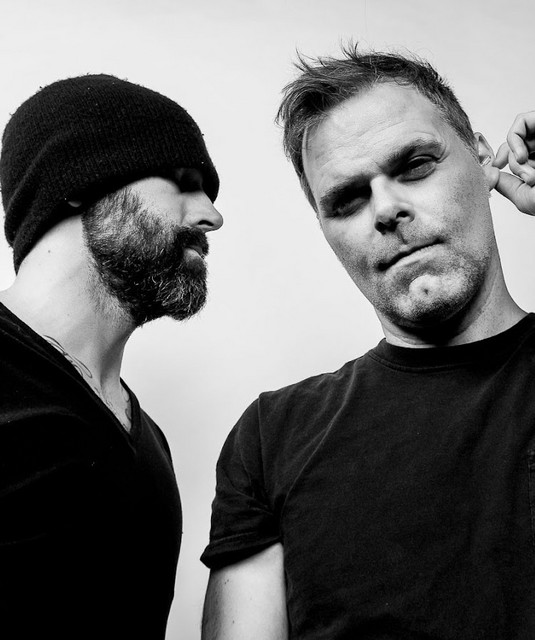
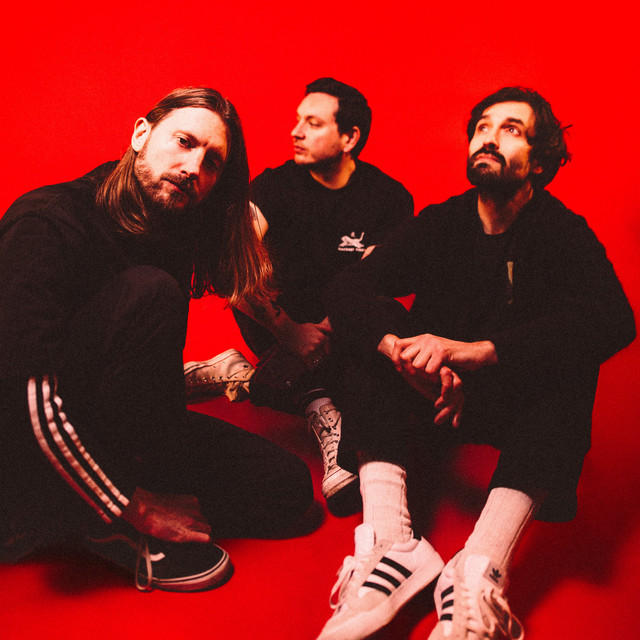
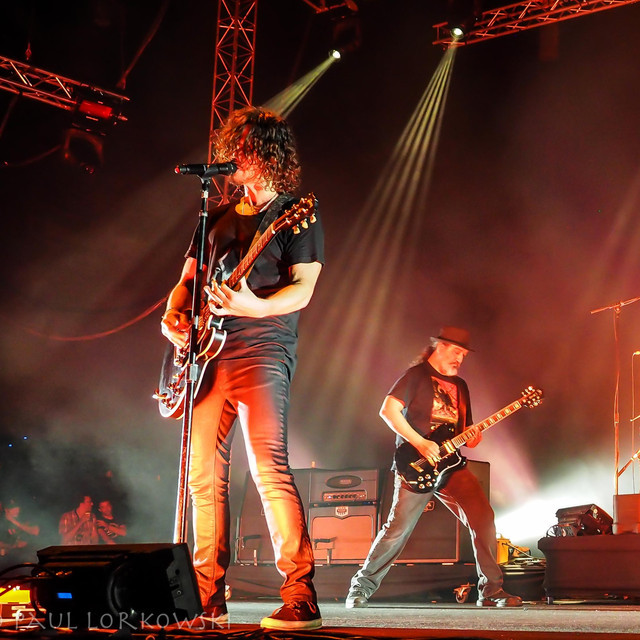
Here's what nobody tells you about grunge: it's secretly perfect running music. Not in spite of the sludgy guitars and Kurt's howl—because of them.\n\nThat 110-144 BPM range? It's the exact tempo where anger becomes propulsion. "In Bloom" sits at 120 BPM. "Them Bones" by Alice In Chains hits 122. These aren't songs that push you faster—they're songs that make the effort feel like the whole damn point. When Soundgarden drops into the chorus of "Outshined," you're not thinking about your split time. You're thinking about every slight, every frustration, every reason you laced up today. Grunge converts emotional weight into forward motion.\n\nLocal H shows up in three of our five grunge playlists, which makes sense. They're Chicago's own answer to Seattle's flannel army—a two-piece that somehow sounds heavier than bands with twice the members. Scott Lucas understood what all the best grunge acts knew: dynamics matter. The quiet-loud-quiet structure that defined Sub Pop's golden era translates beautifully to interval work. You get natural surges built into the song structure.\n\nWe've got 13 hours of this stuff spread across playlists like GRUNGE, HERMOSA, and THE RUN WITH 'KID'. The genre family connects to riot grrrl and emo—both sharing that raw emotional honesty—but also psychobilly and ska, which tells you something about the diversity here. This isn't one-note aggression.\n\nGrunge works for running because it never pretends the struggle isn't real. No manufactured energy, no fake positivity. Just distorted guitars, dropped-D tuning, and the acknowledgment that sometimes the only way through is loud and messy. The Lakefront Trail doesn't care about your feelings, but Pearl Jam does.
Grunge
Flannel-Wrapped Fury: The Case for Running to Seattle's Loudest Export
FAQ
Isn't grunge too slow for running?
That's the misconception. The average 117 BPM sits right in the endurance zone—your steady-state pace, not your sprint. Songs like Nirvana's "Lithium" or Mudhoney's "Touch Me I'm Sick" have this deceptive momentum. The tempo feels heavier than it is because of the distortion and dynamics, but it's ideal for sustainable effort. You're not racing to grunge; you're grinding to it.
Why is Local H in three different playlists?
Because they're Chicago's grunge heroes and they deserve the recognition. "Bound for the Floor" has that perfect self-loathing energy that makes mile seven bearable. Plus, as a two-piece, their sound is stripped down but massive—Scott Lucas plays guitar through a bass amp. That low-end rumble translates to pavement-pounding music. They bridge grunge and alternative rock in ways that work across different run types.
What's the difference between running to grunge versus emo or riot grrrl?
Grunge is heavier and slower—more deliberate. Emo skews faster and more melodic, better for tempo runs. Riot grrrl brings punk speed and political fury, great for short aggressive efforts. Grunge occupies this middle ground: emotional weight meets physical heft. It's the sound of Seattle rain and Chicago slush. If you want catharsis more than speed, grunge delivers.
Can I actually run 13 hours of grunge?
You can, but should you? We've built that much into the collection because variety matters—80'S NEW WAVE and ZYGONE offer different entry points beyond the obvious GRUNGE playlist. The beauty is the dynamic range: you get Alice In Chains' sludge, Soundgarden's psychedelic moments, and Pearl Jam's arena-ready choruses. Rotate playlists, explore the related genres like neo-psychedelic, and remember: even Eddie Vedder eventually needed a ukulele break.