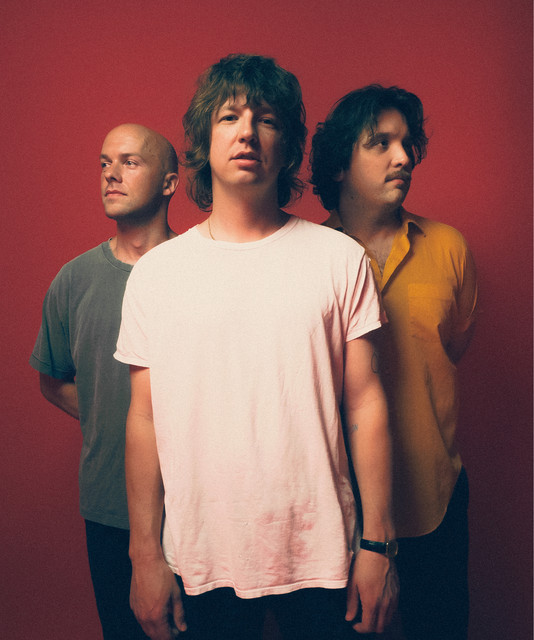
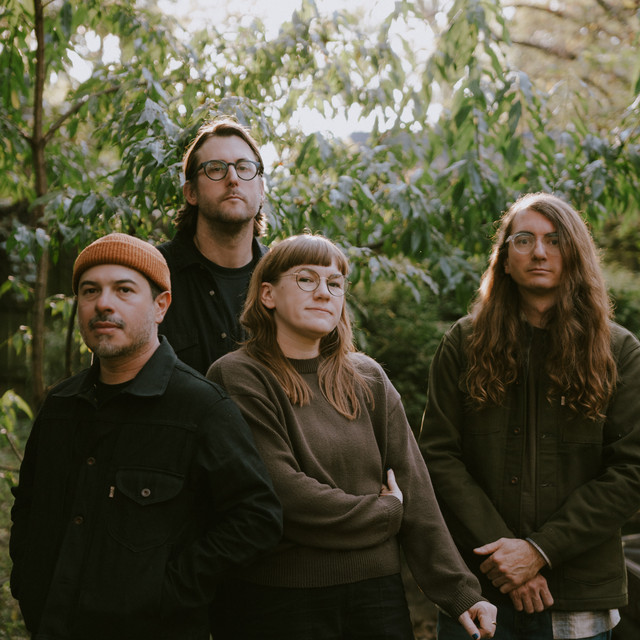
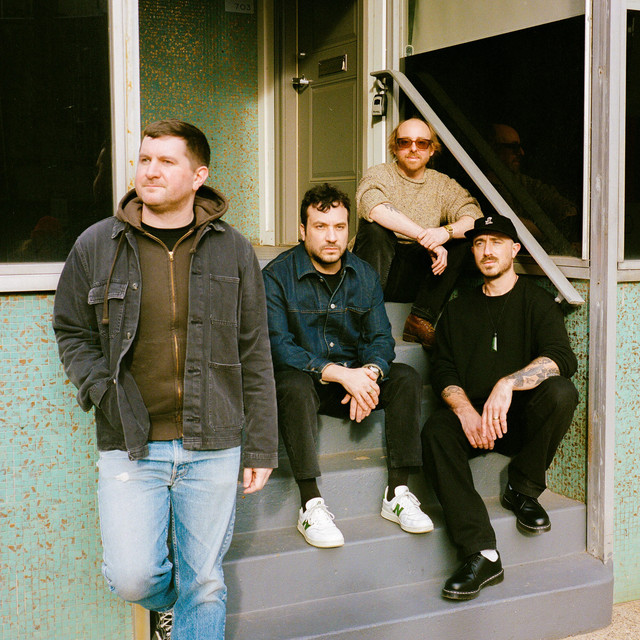
Here's what I know about indie punk for running: it's the sound of kids who couldn't afford proper studio time but had too much to say to wait around for a record deal. That lo-fi aesthetic—the overblown vocals, the guitars that sound like they're coming through a blown speaker, the drums recorded in someone's practice space—creates this urgency that translates directly to forward momentum. Bass Drum of Death shows up in four different playlists here, and that's not an accident. John Barrett's Mississippi garage recordings hit that sweet spot where punk aggression meets indie rock's melodic instincts, all at tempos that push you into the 150-160 BPM zone.\n\nThe numbers tell part of the story: 130-164 BPM with an average of 152. That's faster than most punk subgenres, landing right in that cadence range where you're not quite sprinting but you're definitely not jogging conversationally. Playlists like PISSEDOFFEDNESS and MAD @ DAD deliver exactly what their names promise—three-minute bursts of antagonism that make hills feel like something you're attacking rather than enduring. RETURN OF THE PUNK ROCK SURF MONSTER throws reverb-drenched guitars into the mix, while THE LOCAL keeps it raw and immediate.\n\nWhat separates indie punk from its relatives—your skate punk, your egg punk, your folk punk cousins—is the self-consciousness. These bands know they're making punk rock after punk rock already happened, so there's this productive tension between reverence and reinvention. That awareness creates variety: some tracks lean hardcore, others drift toward post-punk's angular rhythms, some even flirt with pop hooks before remembering they're supposed to sound pissed off.\n\nTwenty-nine hours across 18 artists means you've got depth here. HERMOSA, LONDON RUN, and SIX AM each pull different aspects of the genre—geographic references that suggest local scenes, DIY ethics, specific moments in time. This is music made by people who care more about saying something than sounding polished, and when you're five miles into a run on the Lakefront Trail with the wind coming off the lake, that rawness feels like exactly the right soundtrack.
Indie Punk
Three chords, zero pretense, and 152 BPM of poorly recorded fury
FAQ
Why does indie punk work better for running than classic punk?
The BPM range sits higher—averaging 152 versus classic punk's 140-ish—and the production quality actually helps. That lo-fi aesthetic means less sonic density, so tracks don't fatigue your ears the way overproduced punk can. Plus indie punk's melodic sensibility gives you hooks to latch onto during long runs, while maintaining the aggression that keeps your pace honest. It's punk rock that studied at college radio stations.
What's the difference between indie punk and egg punk for running?
Egg punk leans weirder and more art-damaged—think synthesizers, drum machines, deliberate amateurism as aesthetic choice. Indie punk keeps the traditional guitar-bass-drums setup and writes actual songs with verses and choruses. For running, indie punk provides more consistent energy and predictable structures, while egg punk works better for shorter, weirder tempo runs where you want your music to match your discomfort.
How do I use these 13 playlists without burning out on the sound?
Start with THE LOCAL or RUNAWAY for straightforward indie punk energy, then branch into the more specific moods—MAD @ DAD when you're genuinely annoyed, RUN EMO when you want melodic hooks with your distortion, RETURN OF THE PUNK ROCK SURF MONSTER for something looser and more textured. The genre's wide enough that HERMOSA and LONDON RUN pull different regional vibes. Rotate based on how aggressive you're feeling, not just tempo.
Is 152 BPM too fast for easy runs?
Depends on your cadence, but probably yes for true easy pace. The beauty of indie punk's 130-164 range is you can curate down—plenty of tracks in the 130-140 zone that still carry the genre's energy without forcing you into tempo run territory. Or embrace the mismatch: sometimes running easy to fast music teaches you to stay relaxed at higher cadences. I've done plenty of recovery runs to aggressive music, letting the tempo wash over me instead of dictating my pace.
Top Artists


Playlists

PISSEDOFFEDNESS
20 tracks · 54m

THE LOCAL
10 tracks · 33m
MAD @ DAD
13 tracks · 41m

RUN EMO
15 tracks · 45m

THIN ICE
11 tracks · 35m

RETURN OF THE PUNK ROCK SURF MONSTER
17 tracks · 43m

August
14 tracks · 46m

ZYGONE
15 tracks · 53m
RUNAWAY
14 tracks · 37m
HERMOSA
18 tracks · 59m

SIX AM
21 tracks · 64m

LONDON RUN
18 tracks · 51m
RENT FREE
17 tracks · 51m