GENRE

Indie POP

Jangly guitars, synth hooks, and that 126 BPM sweet spot

15 playlists ·21 artists ·Avg 124 BPM ·70–180 BPM ·12 hours

Here's what I know about indie pop: it's the genre that convinced a generation that you could be smart, sad, and danceable all at once. Belle and Sebastian taught us that. The Magnetic Fields. Alvvays. And now, strapped to your running playlist, it turns out this stuff works at 126 BPM like it was engineered in a lab for cadence optimization.

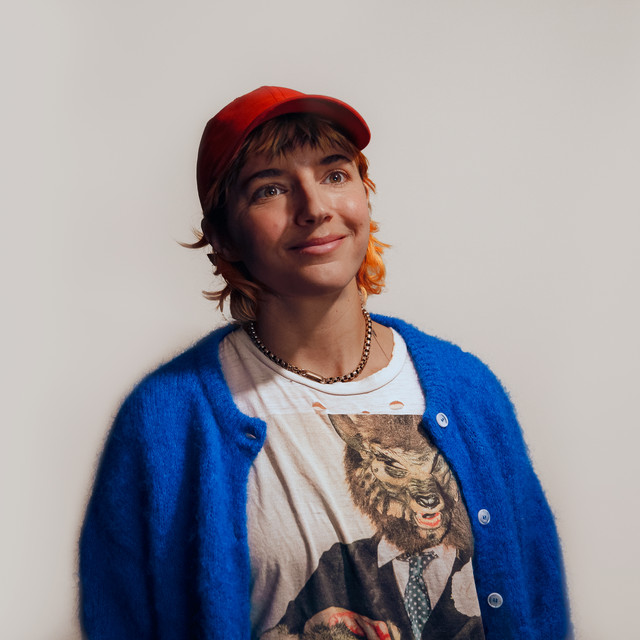
Caroline Rose shows up in all four playlists here — 2L8N0W, 50, COMPUTER LOVE SONGS, and HEARTBEATS — which tells you everything. Rose writes these tightly wound pop songs with wit sharp enough to cut through the fog of mile seven, arrangements that layer synths and guitars like they're competing for your attention, and tempos that lock into that 117-130 BPM range. That range isn't accidental. It's the Goldilocks zone where your footstrike meets the snare hit, where you're moving fast enough to feel accomplished but not so fast you're gasping through the bridge.

Indie pop works for running because it's never just one thing. It borrows from alternative dance (two related playlists worth exploring), flirts with indie soul (another two), and keeps one foot in the jangly guitar tradition while the other's firmly planted in drum machines. You get the Smiths-y melancholy filtered through MIDI controllers. You get lyrics about heartbreak delivered over basslines that could soundtrack a Detroit techno set if they wanted to.

The related genres here are a road map: start with the ten indie playlists if you want more guitars, drift into German indie if you're feeling adventurous (three playlists deep), or lean into alternative r&b when you need something smoother. But indie pop sits right in the center — clever enough to keep your brain engaged on long Lakefront Trail runs, propulsive enough that you won't notice you've been holding 8:30 pace for forty minutes.
FAQ

Why does indie pop work better for running than regular indie rock?

Indie rock can meander — long instrumental passages, tempo shifts, six-minute epics that fall apart halfway through. Indie pop takes the same aesthetic but adds discipline: tighter song structures, consistent BPM (this collection averages 126), and rhythm sections that actually care about the beat. You get the intelligence without the self-indulgence, which matters when you're trying to maintain pace.

What's the ideal pace for this 117-130 BPM range?

If you're matching footstrikes to the beat, you're looking at roughly 175-195 steps per minute if you count both feet — that's the 117-130 BPM doubled. That puts most runners in the 8:00-10:00 mile range, depending on stride length. But honestly? The tempo is forgiving enough that you can lock in whether you're pushing tempo runs or settling into easy miles.

Caroline Rose is in all four playlists — what should I know?

Rose came up through the Austin scene, signed to New West Records, then reinvented as this art-pop savant on later albums. The songs mix live instruments with electronics, lyrics that are funny and devastating in the same verse, and production that's dense but never cluttered. It's music that rewards repeated listens, which is exactly what you want when you're logging miles week after week.

How do I explore beyond these four playlists?

Check the related genres: those ten indie playlists will give you more guitar-forward options, alternative dance adds more electronic pulse, and indie soul brings in vocalists who can actually sing. German indie is the wild card — bands like Roosevelt and Giant Rooks who take the indie pop template and make it weirder. Three hours of music here, but you've got dozens more hours in the connected catalog.

Top Artists

Related Genres