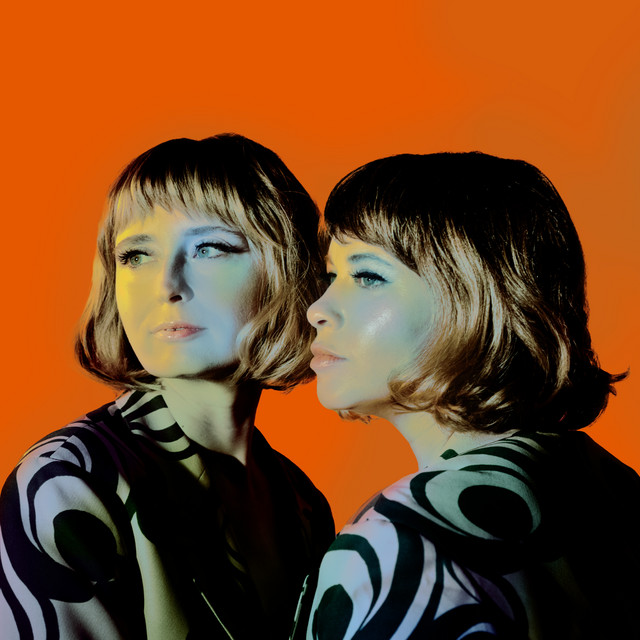
There's this moment around mile three when Caroline Rose's "Soul No. 5" hits and you remember that running doesn't have to be some stoic meditation—it can be a full-on art-pop costume party. Rose came up through the folk circuit, then torched that entire identity with *LONER* in 2018, a record that sounded like David Byrne and St. Vincent crashed a suburban karaoke night. Working primarily as producer alongside Morgan Walker, Rose built these tight, weird, gloriously synthetic pop songs that treat irony and earnestness as equally valid emotional states.\n\nThe tempo range is what makes this catalog so useful for running: most of *LONER* sits in that 120-130 BPM zone where you're working but not gasping. "Animal" and "Soul No. 5" both lock in at 130, which is that magic number for a conversational pace that still feels like forward motion. Rose's voice—nasal, theatrical, unapologetic—cuts through the mix in a way that keeps you engaged when the miles get monotonous. There's something about that snarky delivery that makes you feel complicit in the joke, like you're both in on whatever strange narrative is unfolding.\n\nWhat's interesting is how Rose operates in the same sonic universe as Rubblebucket and Lucius—artists who understand that indie pop can be smart and fun simultaneously—but with more edge, more snark, more willingness to let things get uncomfortable. Michael Poorman's mixes give everything a crisp, digital sheen that feels distinctly modern, like Rose is commenting on pop music while also making undeniably catchy pop music. "Bikini" and "Money" both traffic in this aesthetic: songs that sound like they're about consumerism and self-image but refuse to moralize, landing somewhere between satire and celebration.\n\nIf you spent the 2010s running to folky singer-songwriters and need something that acknowledges the absurdity of modern life while still providing a steady beat, Rose is your person. This is music for the Lakefront Trail when you're feeling both ambitious and slightly ridiculous—which, honestly, describes most of my runs these days.
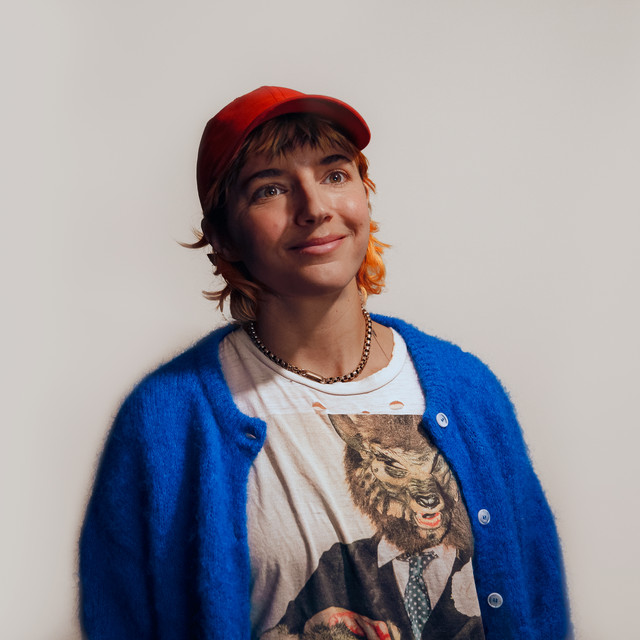
Caroline Rose
Caroline Rose's tracks average 126 BPM — see more 130 BPM songs for long runs.
FAQ
What makes Caroline Rose good running music?
The tempo consistency across *LONER*—most tracks land between 120-130 BPM, which is ideal for steady-state running. Rose's production is crisp and propulsive, with drum machines and synth hooks that provide rhythmic anchors. Plus, there's enough weird lyrical content to keep your brain engaged when the miles drag. It's pop music that doesn't insult your intelligence.
What's Caroline Rose's best album for running?
*LONER* is the obvious choice. Rose self-produced most of it with Morgan Walker, and the entire record feels engineered for movement—tight tempos, minimal ballads, lots of synthetic energy. *Superstar* continues in that vein but gets slightly more chaotic. The early folk records are beautiful but too slow and contemplative for anything beyond recovery jogs.
How does Caroline Rose compare to artists like Rubblebucket or St. Vincent?
Rose shares Rubblebucket's playful art-pop sensibility but with more cynicism and less brass. Compared to St. Vincent, Rose is less guitar-focused and more interested in straight-ahead pop structures. The through-line is intelligent artists making dance music that rewards close listening. If you run to any of those artists, Rose fits the same playlist ecosystem.
Why does Caroline Rose's music sound so different from the early folk albums?
Rose completely reinvented the project after years on the folk circuit, ditching acoustic guitars for drum machines and synthesizers. Taking control as producer allowed for that shift—*LONER* sounds like someone who spent years studying pop music and decided to make their own version. It's a rare case where an artist's identity change actually resulted in better songs.
Similar Artists