On the run
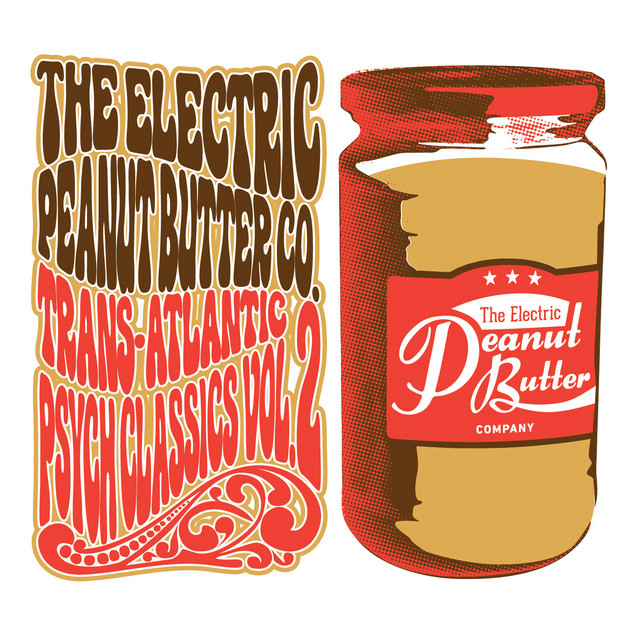
Look, I need to tell you something about tempo, and you're not going to like it. You think running music needs to be fast. Needs to push you. Needs to match your fight-or-flight panic at mile two. But here's what I figured out on a Sunday morning recovery run when The Electric Peanut Butter Company came on and my legs stopped trying to prove something: sometimes the best running music is the stuff that refuses to hurry.
This playlist sits at 113 BPM average. That's recovery run territory. Easy pace. The zone where your cardiovascular system is actually building capacity while your brain is screaming that you're not working hard enough. And the music here—acid jazz bleeding into Afrobeat, Motown holding hands with nu jazz, psychedelic funk that doesn't care what decade it is—operates on the same principle. It grooves instead of sprints. It builds instead of explodes.
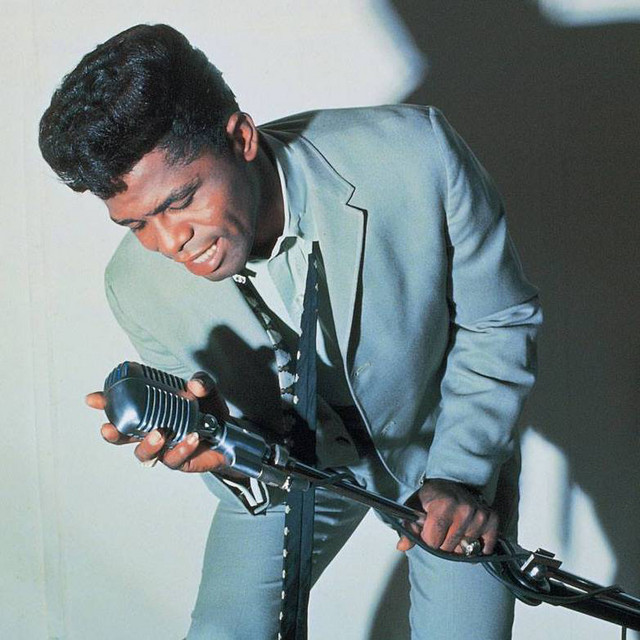
Sharon Jones comes in asking "How Long Do I Have to Wait for You?" and the answer, musically, is: as long as it takes for this horn section to resolve. James Brown hits with "I Got The Feelin'" and suddenly 113 BPM feels like the exact right speed for everything. Not because it's pushing you faster, but because it's teaching you that the pocket—that space where the rhythm section locks in and everything else is decoration—is the whole point of running at this pace.
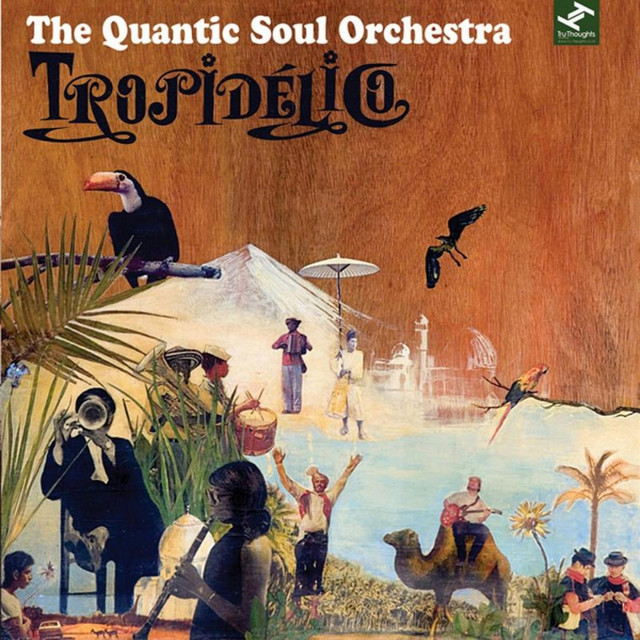
The Budos Band and Quantic Soul Orchestra pull you into this zone where Afrobeat production techniques meet jazz instrumentation, and your easy run becomes the kind of meditative thing you'd normally need three years of therapy to access. Funkadelic's "Can You Get To That" sits right in the middle and asks a question the whole playlist has been asking: can you get to that place where effort and ease are the same thing?
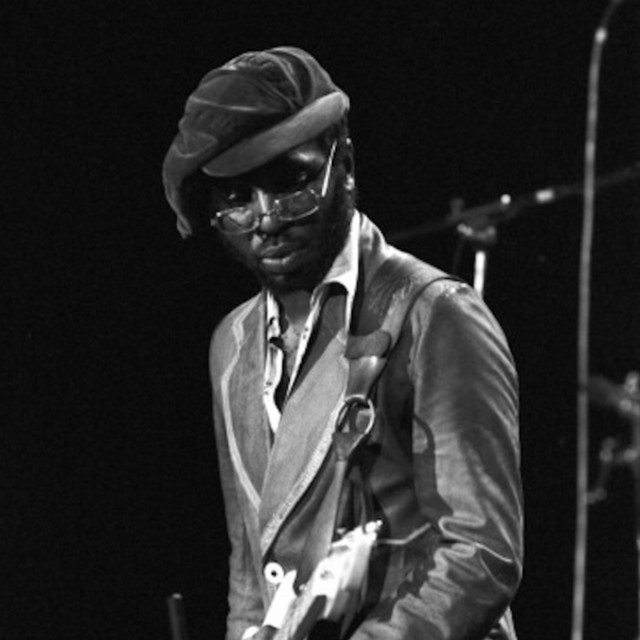
Curtis Mayfield closes it out with "Move on Up" and the extended version means you don't get the radio edit, you get the full nine-minute conversation between the horn section and the rhythm section and your legs. By the end, you realize this playlist wasn't about going fast. It was about learning what your body can do when you stop asking it to prove something every mile.
I've had this argument with the guy who comes in every Tuesday to tell me real running music needs to be 160 BPM minimum. He's wrong. He's always been wrong. This is what running music sounds like when you're building something instead of just burning it down.
From the coach
Easy warm, two surges, long cool
Match your footfalls to the hi-hat on track one—don't chase the horns. Let your heart rate settle through the first two tracks. The instrumental funk will tempt you early. Ignore it. You're building the base.
Tracks three and four hold steady at 110 BPM. Conversational pace. Nasal breathing if you can hold it. When the vocals come in, let them set your rhythm, not your effort.
The first surge starts at track five. BPM jumps to 120. This is where you open your stride. Not your speed—your stride. Longer swing through the hip, same turnover. Hold this through track six. You're not racing. You're using the music to pull your tempo up without spiking heart rate.
Track seven drops back to 110. Recover here. Shorten your stride again, bring your breathing back to three-count inhale, two-count exhale. The electronic interlude at track eight is your float zone. Let the synths hold you.
Around 29 minutes—roughly two-thirds through—"Up From the South" hits. This is the wall before the wall. Cognitive fatigue shows up before your legs do. The Afrobeat groove is long, hypnotic, swampy. Don't fight it. Let the rhythm do the work. Lock onto the bass drum. Your job is to stay present, not to push.
Track ten is your last recovery window. Ease back. The acoustic folk-pop will let you breathe.
Tracks eleven and twelve ramp back to 120 BPM. This is your closing surge. You've already done the hard part. Lengthen your stride again, open your chest, finish smooth. Curtis Mayfield's nine-minute closer will carry you well past the playlist if you want the full cooldown. Take it.
FAQ
- How do I pace a run to this playlist?
- Start with the Acid Jazz Into Retro Soul section and let your legs settle into easy pace—this isn't a workout, it's a conversation between your stride and the groove. When you hit The Daptone-to-Godfather-to-Parliament Arc around tracks five through seven, you're in the pocket. The Budos Band at track nine is your two-thirds checkpoint—if you're still trying to run fast, you're missing it. Let Curtis Mayfield's nine-minute closer be your cool-down that never actually cools.
- What kind of run is this playlist built for?
- Recovery runs, easy pace, Sunday morning miles where you're rebuilding instead of destroying. The 113 BPM average isn't going to push a tempo run or intervals—it's going to teach your cardiovascular system what sustainable effort feels like. This works best for 5-7 mile easy runs where you're not checking your watch every quarter mile. If you're training for distance, this is your between-the-hard-days playlist.
- Why is the BPM so slow for running music?
- Because 113 BPM is exactly where your easy run cadence lives, and easy runs are where you actually build aerobic capacity. Every running playlist doesn't need to be a drill sergeant. This tempo teaches you to trust the groove, find the pocket, and let your stride length do the work instead of your leg turnover. The music sits right in that zone where effort and ease become the same thing—which is the whole point of running at recovery pace.
- What makes The Budos Band the key moment?
- Track nine, two-thirds through, The Budos Band drops 'Up From the South' and the whole Afrobeat-via-Staten Island thing clicks. It's the moment where the playlist stops being a collection of retro soul tracks and becomes a thesis about what groove means. The horns build, the rhythm section stays locked, and your legs finally understand what they've been doing for thirty minutes: running at the exact tempo that builds endurance. It's the wall breaker because it teaches instead of pushes.
- Why does this playlist mix so many different eras and substyles of soul?
- Because acid jazz, Afrobeat, Motown, nu jazz, and retro soul all orbit the same principle: the rhythm section is God and everything else is decoration. You've got Daptone Records modern retro soul next to actual James Brown, electronic producers sampling funk next to live Afrobeat bands. The playlist works because all of it respects the groove. And when you're running easy pace, that shared DNA becomes obvious in a way it never is standing still.
- Is Curtis Mayfield's extended version too long for a running playlist?
- No. Absolutely not. The nine-minute 'Move on Up' extended version is the entire argument for why this playlist exists. You don't get the radio edit, you get the full conversation between the horns and the rhythm section and your legs. By minute seven of the track, you've stopped counting miles and started trusting the music. That's not too long—that's exactly long enough to prove that running at 113 BPM builds something fast running never will.