alternative hip hop · downtempo · east coast hip hop · experimental hip hop · hip hop at 90 BPM
On the run
I reorganized the hip hop section last week by sub-genre, which meant finally admitting that "alternative hip hop" is just where I file everything I want to defend at dinner parties. Binary Star next to People Under The Stairs next to Run The Jewels—albums that have nothing in common except they make me feel smart for owning them and nobody asks for them unless they already know.
This playlist lives in that section. Forty-two minutes of beats around 90 BPM, which is too slow for tempo runs and too interesting for background music, which means it works perfectly for the kind of running you do when you're not training for anything, just trying to figure out where something fits in the system. The system being your life, obviously, not your Spotify library, though let's be honest, those have always been the same thing.
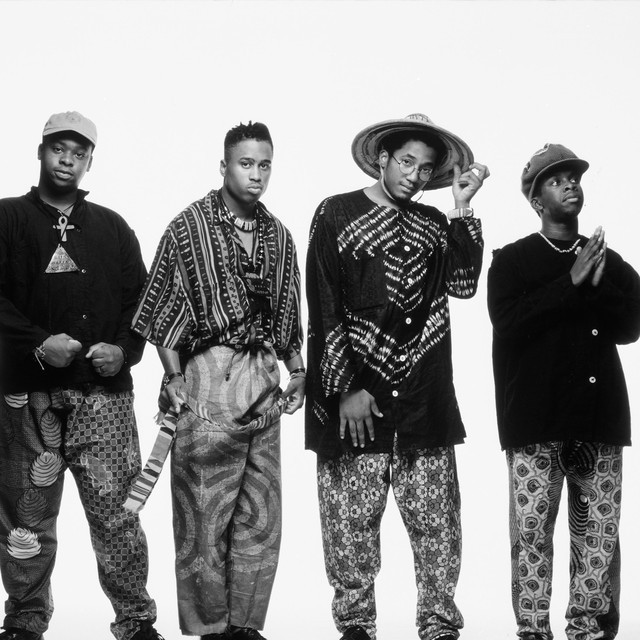
What's interesting—and I mean musically interesting, not just thematically convenient—is how much space these tracks leave. "Slang Blade" starts with jazz samples that breathe before Senim Silla comes in. People Under The Stairs built "Acid Raindrops" from Quincy Jones loops that feel like Los Angeles in 1999, which is a specific thing if you were there and a rumor if you weren't. A Tribe Called Quest's "Award Tour" is 1993 jazz rap at its purest: Q-Tip's voice, Ali Shaheed Muhammad's production, the sense that hip hop could be smart and accessible at the same time, which lasted about eighteen months before everyone chose a side.
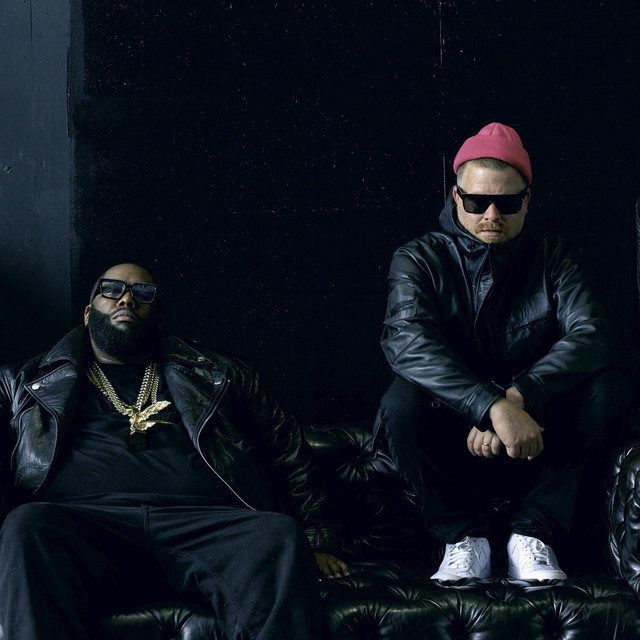
The BPM stays low but the density increases. DJ Shadow's "Nobody Speak" is plunderphonics—samples stacked so thick you can't find the seams. Then Run The Jewels and Killer Mike arrive and the playlist stops being about crate digging and starts being about what you build when you know where every crate is. El-P's "the ground below" is downtempo but it's not relaxed—there's weight in it, architecture, the sense that someone mapped this out on graph paper before recording a single bar.
"Close Your Eyes (And Count to Fuck)" hits at thirty minutes with Zack de la Rocha growling over El-P's production, and it's the closest thing to a wall breaker this playlist offers—not because it's faster, but because it's the moment where all that space collapses into urgency. OutKast's "ATLiens" follows and you remember that Southern hip hop in 1996 sounded like nothing else, and still doesn't.
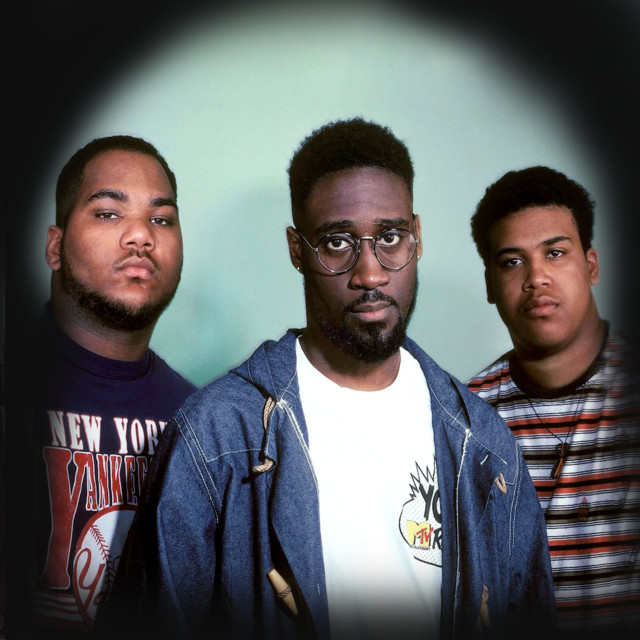
The last stretch—Girl Talk, late-period Tribe, De La Soul with MF DOOM, Danny Brown's "Grown Up"—is where the playlist reveals what it's been doing the whole time. These aren't just alternative hip hop tracks. They're the ones you play for someone when they say they don't like hip hop, which really means they've only heard what Clear Channel played in 2003. This is the checkout line: everything you're carrying, everything you picked up without planning to, everything that says more about you than you meant to reveal.
From the coach
Easy start. Mid-run dip. Surge at 28 minutes.
Start easy. Tracks 1–3 sit around 91 BPM—well below your natural cadence. Do not chase the tempo. Let your heart rate settle below zone 3. Use the space between the beats. Exhale every four steps, not every two. You're building the base here, not the peak.
Tracks 5–6 drop to 80 BPM. This is deliberate recovery, not a mistake in sequencing. Your turnover stays steady, but the music slows. Let it. Keep your pace conversational. If you push here, you'll pay for it in six minutes.
Track 7 begins the climb back to 89, then 99 by track 9. This is where the run opens up. You'll feel the BPM pull you forward. Let it. Lift your knees slightly. Shorten your ground contact time. You're not sprinting—just riding the curve upward.
Track 10 hits at roughly 28 minutes—66% of the playlist. "Close Your Eyes" is your wall breaker. Physiologically, this is where cognitive fatigue arrives before your legs do. Your brain will suggest slowing down. Ignore it. Use Zack's vocal as your cue: when he enters, pick up your arm drive. Ten seconds of sharper elbows, then settle back. You're resetting your effort perception, not changing your pace.
Tracks 11–12 hold you at 93 BPM. Steady state. No heroics. You've crested the wall; now prove you can hold the other side.
Final two tracks drop to 85. Cooldown starts here whether you want it to or not. Ease your shoulders down. Lengthen your stride slightly. Let your heart rate fall below zone 2 by the last thirty seconds. You've already done the work.
FAQ
- How do I pace a run to this playlist?
- Start easy through the Jazz Samples section—Binary Star, People Under The Stairs, Tribe. Let DJ Shadow's plunderphonics interlude settle your rhythm. The El-P Production stretch (Run The Jewels, Killer Mike, El-P solo) is where you find your groove. When Zack de la Rocha hits on the Intensity Shift, you're two-thirds done and the urgency kicks in. Finish through the Underground Rap decades and the Royal Blood remix. Don't fight the 90 BPM—this playlist rewards patience, not speed.
- What type of run is this playlist built for?
- Recovery runs, easy distance, or the kind of running you do when you're not training for anything specific. The 90 BPM average keeps you from hammering, and the forty-two minute runtime is perfect for a 10K at conversational pace. This isn't interval training—it's the run where you clear your head by filling it with Q-Tip, El-P, and OutKast. Basically, it's for weekend warriors who own more vinyl than running shoes.
- Why is the BPM so low for a running playlist?
- Because not every run is a tempo run, and 90 BPM forces you to stay controlled. Alternative hip hop, jazz rap, and downtempo all live in this range—it's where the production gets interesting because there's room to breathe. Your cadence doesn't have to match the beat exactly. Let the bass guide your footstrike and stop overthinking it. If you need faster BPM, you're training wrong or running to the wrong playlist.
- What makes 'Close Your Eyes (And Count to Fuck)' the wall breaker?
- It's thirty minutes in, you're two-thirds through, and suddenly Zack de la Rocha is screaming over El-P's most unhinged production. Everything before this felt cerebral—jazz samples, plunderphonics, architecture. This track collapses all that space into pure urgency. The BPM doesn't change but your whole body does. It's the moment the playlist stops being about crate digging and starts being about what you're willing to carry.
- What makes alternative hip hop good for running?
- Because it's dense without being aggressive. You get jazz samples, Quincy Jones loops, producers like El-P who treat beats like architecture. It's hip hop for people who want to hear the sources, the construction, the references. On a run, that density gives you something to sink into—your brain stays engaged while your legs go on autopilot. Plus, 90 BPM is perfect for easy pace, and nobody's yelling at you to go harder. It's smart music that doesn't demand you prove anything.
- Is this good for a 5K or longer distance?
- Longer. Forty-two minutes is ideal for a slow 10K or an easy eight-miler. A 5K would cut you off right when the playlist gets interesting—you'd miss the Intensity Shift and the whole Underground Rap decades finish. If you're racing a 5K, you need faster BPM anyway. This playlist is for the runs where distance matters more than time, where you're not chasing a PR, just trying to figure out where everything fits in the system.