acid rock · blues rock · doom metal · drone metal · neo-psychedelic at 102 BPM
On the run
The guy who sequenced PSYCHRUN understood something most runners don't: momentum isn't declared, it's accumulated. This is a playlist built on the physics of the high itself—you don't feel it starting, and by the time you do, you're already moving faster than you planned.
The condition is stoner and doom metal's 2018–2020 global atomization. Lowrider in Karlstad, Psychlona in Bradford, Earthless in San Diego, The Heavy Eyes recording across a three-year window with no shared producer, no overlapping city, no common infrastructure—yet every one of them made the same structural choice Truckfighters had already locked in Örebro in 2005 on Gravity X. Treat the riff not as a hook but as a slow-ignition engine, something that requires distance before it reaches operating temperature.
The choice was psychedelic patience as architecture. The median BPM here is 90. The range is 65–150. The arc rises not because the music accelerates but because doom and stoner metal have always known that the body's threshold for weight shifts across time. Sixty-five BPM feels heavier at minute three than it did at minute one. The Obsessed's "Tombstone Highway" crawls at 65 BPM like something subterranean, and by the time you reach Danava's "I Am the Skull" at 150 BPM, it doesn't feel like escalation—it feels like ignition.
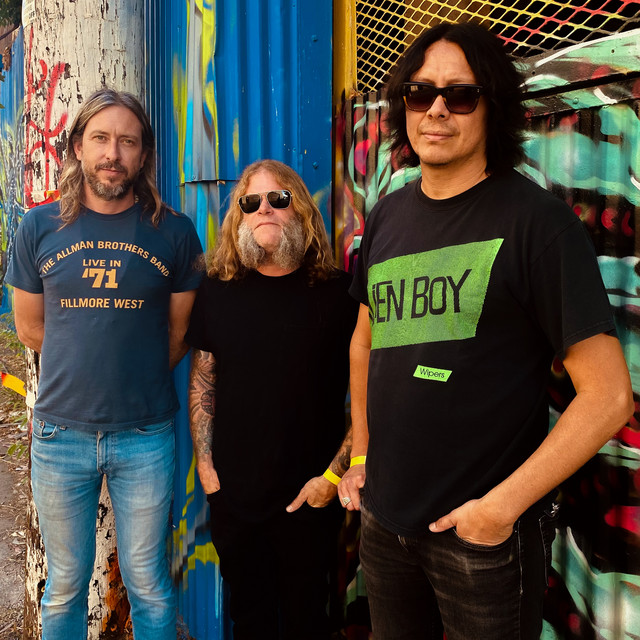
I've run to this playlist twice now, both times overdressed for spring on the Lakefront. What surprised me wasn't the tempo—I expected the slow burn—it was the convergent necessity of it all. These bands never spoke to each other. Earthless recorded "Electric Flame" in San Diego with no knowledge of what Greenleaf was doing in Sweden on "Trails & Passes." But they arrived at the same conclusion: that a riff isn't a statement, it's a process. You have to let it cook.
By mile four, when High Reeper's "Chrome Hammer" locks in, I realized the playlist wasn't asking me to run faster. It was asking me to trust that speed would come from weight, that the accumulation of riffs would eventually tip the body past its own resistance. That's the architecture of the high, and it's the architecture of the run. You don't feel it starting. And by the time you do, you're too far in to stop.
From the coach
Don't chase the crawl. Let the riff ignite you.
Start slow. Tracks 1–2 sit around 108 BPM—well below your easy-pace cadence. Do not force turnover to match the tempo. Let your heart rate settle into zone 2. The music is building thermal mass, not speed. You're warming the engine.
Tracks 3–5 lift to 120 BPM, then drop hard into the 65 BPM crawl at track 6. This is the subterranean zone—two tracks of sludge-heavy rhythm. Your perceived effort will spike even as pace stays constant. That's normal. The body reads low-frequency sound as load. Hold your line. Do not slow down.
Track 9—"I Am the Skull"—hits at 66% of the run, right where cognitive fatigue peaks. The tempo detonates to 150 BPM. This is not a cue to sprint. It's ignition. Let the BPM pull your turnover up naturally. You'll feel faster without pushing harder—that's accumulated momentum tipping into velocity.
Final four tracks oscillate near 100 BPM. Settle back into tempo pace. Let the riff carry you home.
FAQ
- How do I pace myself to this playlist?
- Start slow and trust the architecture. The opening Memphis-San Diego crawl with The Heavy Eyes and Earthless sets the terms—this isn't a sprint. The 65 BPM subterranean zone around The Obsessed will feel heavy, but that's the point. By the time you hit Danava's Portland detonation at track ten, your body will be ready for the tempo spike. Don't fight the slow burn early—it's doing the work.
- What kind of run is this playlist built for?
- This is a long, easy-pace run—think 10K to half marathon distance. The 102 BPM average and the slow-ignition structure mean it's not suited for intervals or tempo work. It's built for accumulation: the kind of run where you're not chasing a time, you're chasing the moment when effort stops feeling like effort. If you're trying to PR, this isn't your playlist. If you're trying to disappear into the run, it is.
- How does 102 BPM work for running cadence?
- Most runners hit 160–180 steps per minute, so 102 BPM feels slower than typical running music. But that's the genius of it—your cadence doesn't have to match the BPM. The playlist's slow tempo creates space for your stride to settle into its own rhythm. The riff accumulates underneath you, and by the time the tempo spikes with Danava's "I Am the Skull," your body reads it as permission, not demand.
- What's the key moment in this playlist?
- Track ten: Danava's "I Am the Skull." After nine tracks of sub-120 BPM slow burn, this track detonates at 150 BPM—not as contrast but as consequence. It's the moment accumulated weight tips into velocity. The guitar tone is molten, the tempo shift feels earned, and the run stops asking permission. If you've trusted the architecture up to this point, this is where it pays off.
- What makes stoner and doom metal good for running?
- Stoner and doom metal treat the riff as a process, not a statement. Bands like Truckfighters, Earthless, and The Obsessed build songs that require distance to reach operating temperature—exactly like a long run. The slow BPMs and heavy guitar tones force your body to find its own rhythm rather than chasing the music's. It's not music that pushes you; it's music that accumulates underneath you until you realize you're already moving.
- Why are bands from different continents on the same playlist?
- Because convergent necessity is real. Lowrider in Sweden, Psychlona in the UK, Earthless in San Diego, The Heavy Eyes in Memphis—none of them shared a scene, a producer, or a city, but they all arrived at the same conclusion about tempo and riff architecture between 2005 and 2020. This playlist proves that psychedelic patience wasn't a trend, it was a structural choice made independently across the globe. The music works because the logic is sound.