alternative rock · anti-folk · doom metal · drone · drone metal at 149 BPM
On the run
Metro in February, still had my coat on for the first three songs. Crying opened, then Bomb the Music Industry!, and I couldn't tell if I was sweating from the pit or from three layers of winter I forgot to shed. That's the condition the title "PISSEDOFFEDNESS" names: high energy meeting mid-valence, not cathartic release but the sustained metabolic burn of being angry and functional simultaneously. It's a technical specification, not an aesthetic — 0.838 energy, 0.576 valence, the exact psychographic state where you can run angry and keep running.
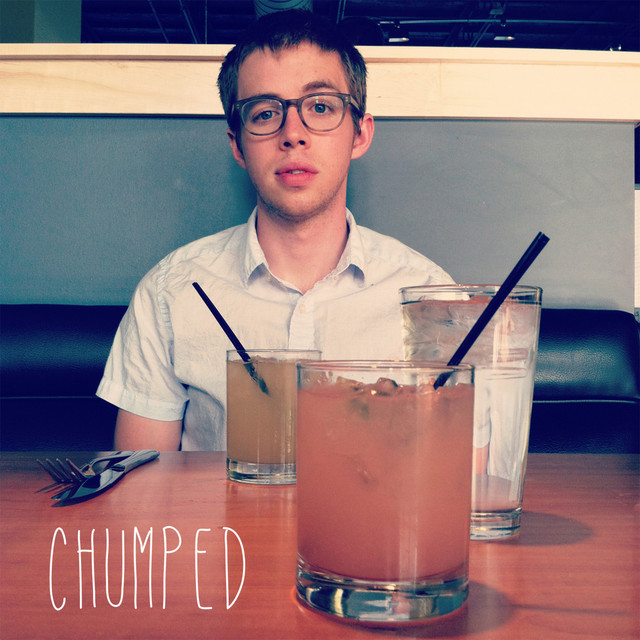
The spine is 2016's distributed indie-punk detonation. Five tracks landed that year — Chumped's "Novella Ella Ella Eh" from Philadelphia, illuminati hotties' "Pressed 2 Death" from LA via Brooklyn, Tacocat's "I Hate the Weekend" from Seattle, The Lippies' "302" from Grand Rapids, Cheekface's "Eternity Leave" from New York — no shared producer, no overlapping infrastructure, no knowledge of each other. Yet every one encoded the fury in the structure, not the production. The Ian MacKaye principle from early-80s DC hardcore: make it work whether it's recorded for $200 or $2,000. Jeff Rosenstock's WORRY. (2016) and illuminati hotties' Kiss Yr Frenemies (2018) are engineering this from opposite coasts in the same half-decade.
The BPM arc falls — 175 down toward Boris's 60 BPM Tokyo-weight detonation at track 15 — not because the anger drains, but because pissedoffedness is not a sprint. It's a resting state. The descending arc replicates the physics of a body that started furious and learned to run at that temperature indefinitely. Grievance becomes forward motion. The playlist never peaks because it was never built to peak; it was built to sustain the exact RPM at which you stop trying to outrun what made you angry and start using it as fuel.
From the coach
Start angry. Stay angry. Let the BPM fall.
The first three tracks open at 160+ BPM. Do not chase them. Hold tempo effort—RPE 6 out of 10—and let your heart rate climb gradually. You need eight minutes of scaffolding before the intensity matches the signal.
Tracks 4 through 12 settle into the 150s. This is your working gear. Steady state, threshold edge, sustainable burn. The BPM holds flat but your effort should feel locked in, not climbing. This is where pissedoffedness lives: high energy, no catharsis, just forward motion at temperature.
At 66%—"Festival Song," track 16—you hit the cognitive wall before the physiological one. The BPM kicks back up to 160. Use it. Let the tempo pull you through the fatigue. This is not a reward; it's a tool.
Tracks 17 through 20 drop to 123 BPM and below. Cooldown begins here. Your heart rate will lag behind the music for two minutes. Let it fall. Walk the final track if you need to.
FAQ
- How do I pace a run to this playlist?
- Start fast with '175 BPM, Coat Still On' — Crying through Chumped — then let 'The 2016 Cluster' settle you into sustainable fury. The tempo falls through 'Seattle to DC Noise Corridor', but don't slow down — compress. By 'WORRY. to Primal Scream', you're not chasing a peak, you're confirming you've been running at this temperature the whole time. The '60 BPM to Folk Punk Cooldown' is a cooldown in name only.
- What type of run is this playlist built for?
- This is a 5K to 10K playlist for runners who don't want catharsis — they want fuel. The BPM falls from 175 to 60, but the intensity never drops. If you're training for a half, this works for tempo runs where you're learning to sustain discomfort. If you're running to clear your head, bad news: this playlist confirms the anger is structural, not situational.
- Does the BPM match running cadence?
- Average ~149 BPM, but the arc is what matters. You start at 175 with Crying and Bomb the Music Industry!, which is faster than most runners' turnover — let it pull you. By the back half, Boris hits 60 BPM, but the density keeps your stride from collapsing. This playlist doesn't match cadence; it teaches you to run angry at any tempo.
- What's the key moment in this playlist?
- Track 16: Jeff Rosenstock's 'Festival Song' from WORRY. (2016). It's the moment the playlist stops asking whether you can sustain pissedoffedness and confirms you already are. Rosenstock recorded it with Jack Shirley the same year five other tracks on this playlist landed from five cities with the same structural instinct. The horns don't celebrate. They insist. You keep running.
- Why does the playlist mix doom metal with folk punk?
- Because pissedoffedness isn't genre-specific — it's a condition. Boris's 'Woman on the Screen' and Cayetana's 'Scott Get the Van, I'm Moving' share the same refusal to resolve cleanly. The tempo drops, the instrumentation shifts, but the metabolic burn stays constant. Genre is just the container. The anger is the structure.
- Is this good for long runs or short runs?
- Short runs where you need to burn hot for 54 minutes. This isn't a half-marathon playlist — it's too compressed, too unresolved. But for a 10K or a tempo 5-miler where you're teaching your body to run furious and stay functional, this is the exact specification. The descending BPM teaches you pissedoffedness is a resting state, not a peak.