alternative metal · classic country · country · industrial · industrial metal at 107 BPM
On the run
There's a show I saw in 1994 — Nine Inch Nails at the Metro, ten days after *The Downward Spiral* dropped — where Reznor played "Hurt" alone at the piano and the entire room went silent. Not quiet. Silent. Like everyone forgot they had lungs. I've spent twenty-nine years trying to explain that feeling, and this playlist — NIN RUN — is the closest I've gotten.
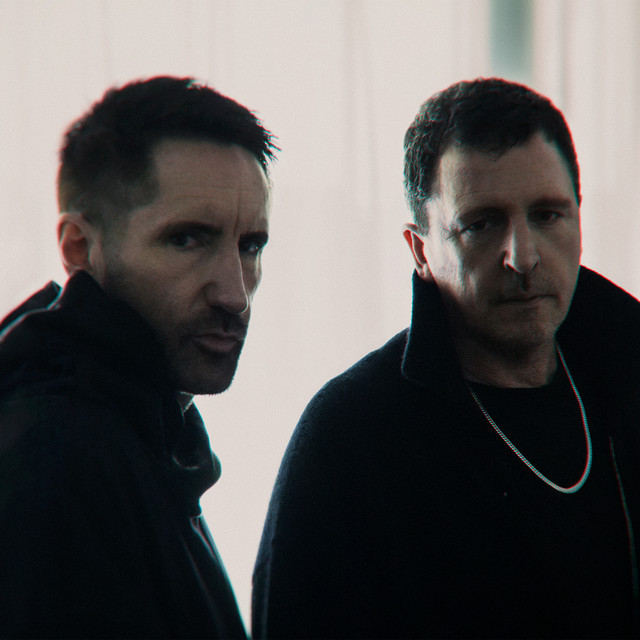
The condition is a single producer operating as a closed system: Trent Reznor, Alan Moulder, and Atticus Ross built 16 of 17 tracks here across 1989 to 2018, inside the same Cleveland-rooted architecture where self-destruction is not the subject but the engineering principle. Low valence (0.224) and a falling BPM arc — 150 down to 70 — are not stylistic choices but the physics of a mind consuming itself. The one outlier is the tell: Johnny Cash's 2002 cover of "Hurt," recorded in Nashville by Rick Rubin with a dying man's hands, arrives at track 16 at 70 BPM and does not feel foreign. It feels like the only possible destination, because Reznor's original and Cash's reading are structurally the same document, written by two people who reached the floor by completely different routes.
Running NIN RUN means accepting the deal the music offers: the BPM falls because the body has already spent what it had, and forward motion at the end costs more than it did at the start. Which is the only honest account of what the last miles feel like. "The Becoming" opens at 150 BPM — Nothing Records, 1994, recorded at Le Pig in Benedict Canyon with Flood — and by the time "13 Ghosts II" closes the run at 70 BPM, you've traveled through *The Downward Spiral*, *The Fragile*, *Year Zero*, the *Natural Born Killers* soundtrack, and two *Ghosts* instrumental suites. Not a greatest-hits collection. A descent with a structure.
What's different now: I'm older and I still don't know what I was running toward that night in 1994. I run anyway. The playlist doesn't arc toward exhaustion — it was already there, and every track is the sound of moving through it.
From the coach
Let the BPM fall. Stay in motion anyway.
This is not a build. It's a descent. The BPM starts at 130 and finishes at 70, and your job is to keep moving as the tempo drops out from under you.
Tracks 1–3: hold easy pace. Don't chase the beat. Let your heart rate settle into zone 2. You're establishing baseline, not proving anything yet.
Tracks 4–9: the music dips to 103, climbs back to 118. This is where you push. Tempo pace through the middle section. Use the BPM swings as interval cues—when it lifts, you lift.
Track 10 onward: the floor arrives. BPM falls from 107 to 93 to 80. You're not slowing down—the music is acknowledging what the effort costs now. Hold your turnover. Don't let cadence collapse with the tempo.
Track 16 hits at 66% of the run. That's the cognitive wall, not the physiological one. The track drops to 70 BPM. Breathe in fours. Stay tall. This is the cost of forward motion when you've already spent what you had.
Last two tracks: 70–80 BPM. Cooldown pace. You made it through.
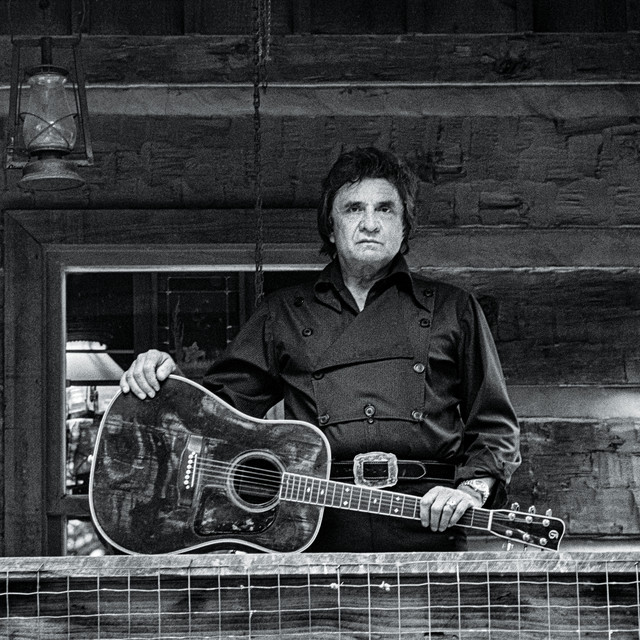
Wall Breaker: Hurt
by Johnny Cash
At mile seven of a nine-mile run, Johnny Cash's 2002 cover of "Hurt" arrives at 70 BPM — recorded at Rick Rubin's home studio in Nashville, six months before Cash died, with a voice that sounds like gravel scraped across the floor of a canyon. The production is skeletal: piano, acoustic guitar, no distortion, no layers. It's the structural opposite of Reznor's 1994 original on *The Downward Spiral*, which buried the melody under synthesizer feedback and self-loathing. But the two recordings are functionally identical — same chord progression, same lyrical architecture, same resignation. Cash doesn't reinterpret the song; he just removes the machinery and lets the skeleton show. At this point in the run, your body is operating on the same principle: no excess motion, no wasted energy, just forward progress stripped to its minimum requirement. The track doesn't break the wall — it acknowledges the wall was always there.
FAQ
- How do I pace a run to this playlist?
- Start with "Nothing Records, 1994-1999" at an honest nine-minute-mile pace — don't chase the 150 BPM opening, let it pull you. "Soundtrack Reznor" through "Atticus Ross Era" will feel like cruise control, then "The BPM Floor" at mile six is where you stop negotiating with your body and just move. Cash's "Hurt" at track 16 is your finish line emotionally; "13 Ghosts II" is the cool-down you didn't know you needed.
- What type of run is this playlist built for?
- Nine miles at nine-minute pace — it's right there in the title. This is a long, steady effort where the goal is not speed but duration. The 80-minute runtime and falling BPM structure work for any run where you're managing fatigue over time: half-marathon pace, recovery long runs, or the kind of Sunday morning run where you're outrunning last night's decisions.
- Why does the BPM fall instead of build?
- Because this playlist isn't about getting faster — it's about what happens when you keep moving after your body spent what it had. The 107 average BPM and the descent from 150 to 70 mirror what a nine-minute mile actually feels like at mile eight: not slower, just harder. Reznor built music about collapse; running to it means accepting that forward motion at the end costs more than it did at the start.
- What makes Johnny Cash's 'Hurt' the key moment?
- It arrives at track 16, at 70 BPM, after sixteen Nine Inch Nails tracks, and it doesn't feel like an interruption — it feels like the inevitable conclusion. Cash recorded it six months before he died, voice stripped to gravel, and the structure is identical to Reznor's 1994 original. At mile seven, when this hits, your body is operating on the same principle: no excess motion, just forward progress stripped to its skeleton.
- Why is Nine Inch Nails on a running playlist?
- Because Reznor's production — especially with Alan Moulder and Atticus Ross — is mechanically precise in a way that matches repetitive motion. Industrial music is built on loops, on the sound of machinery that won't stop, and running is the same: one foot, then the other, until the timer says you're done. The low valence (0.224) and falling BPM don't fight your fatigue; they acknowledge it, which makes the last miles feel less like lying.
- Is this good for a 5K or longer distances?
- This is an 80-minute playlist — it's not built for a 5K unless you're walking half of it. The structure works best for distances where you have to manage energy over time: 10K at easy pace, half marathon training runs, or any long effort where the question is not how fast but how long you can sustain forward motion. If you're racing a 5K, this will bury you. If you're running nine miles on a Sunday, this is the only honest soundtrack.