Top 5 mixtapes I made that nobody listened to all the way through: this is number three, right between the post-breakup Smiths tape that was too on-the-nose and the "driving to Minneapolis in winter" comp that had too many tempo changes. The closer has to land or the whole thing falls apart. That's the anxiety that follows me on every run—not whether I'll finish, but whether the last track justifies everything that came before it.
LET'S GO! doesn't mess around with that question. It opens with The B-52's doing "52 Girls" like a new wave transmission from a planet where everybody dances and nobody overthinks, then immediately pivots into The Clean's "Beatnik"—Dunedin jangle pop that sounds like it was recorded in someone's garage because it probably was. This is the playlist's thesis in two tracks: nostalgia isn't about remembering things correctly, it's about remembering the feeling of discovering something that made you different from everyone else in your high school.
Here's what makes this collection work for running even though it shouldn't: it's pulling from celtic punk, egg punk, garage rock, glam rock, hardcore punk, jangle pop, new wave, post-punk, power pop, proto-punk, actual punk, ska, skate punk, and synthpop. That's not a playlist—that's a record store closing sale where everything's mixed together and you find three things you didn't know you needed. The crossover shouldn't function. New wave and hardcore punk have nothing to say to each other. Except on a run, they do, because they're both about velocity and refusal and the specific clarity that comes from not slowing down long enough to second-guess yourself.
X shows up twice—"Soul Kitchen" and "Los Angeles"—and if you don't understand why X belongs on a running playlist, you've never listened to John Doe's bass lines. That's not music for standing still. That's music for the corner of Sunset and whatever, 1980, everybody moving too fast to get caught. Between those two tracks, The English Beat drops "Click Click" and suddenly you're in a completely different city, different year, different continent, but the urgency is identical. Two-tone ska and Los Angeles punk shouldn't share the same five-mile loop, but they do, because both genres were made by people who figured out that anger and joy occupy the same tempo.
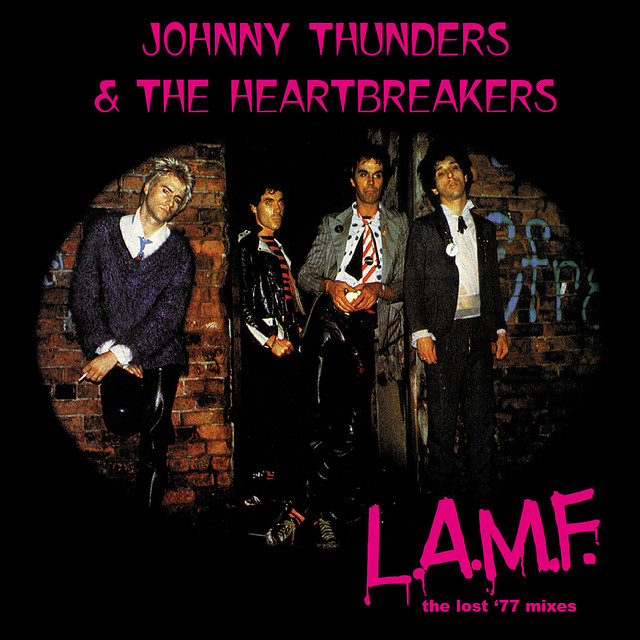
The middle stretch is where the playlist stops being nostalgic and starts being historical. Agent Orange, Death, Johnny Thunders, The Saints—these aren't callbacks, they're the original documents. Death recorded "Keep On Knocking" in Detroit in 1975 and nobody heard it until 2009. By then, three generations of punk bands had accidentally reinvented what Death already knew: three chords, no apology, make it fast. Running to this section feels like outrunning your own late discovery of something that was always there.
Then Stiff Little Fingers hits with "Alternative Ulster" and the playlist finally names what it's been circling: the gap between the place you're from and the person you're becoming. Jake Burns wrote that song in Belfast during the Troubles, but I'm hearing it on the Lakefront Trail in April, overdressed for the first warm day, and the gap is just as wide. You can't nostalgia your way out of that gap. You can only run through it fast enough that it looks like forward motion.
The playlist closes with Wine Lips doing "Dead Beat," a Toronto garage-punk band nobody in my store has heard of, and that's the point. The whole collection has been making the case that history isn't linear—it's a bunch of scenes happening simultaneously across decades and continents, all of them powered by the same refusal to stand still. You finish the run. The music stops. The gap is still there. But for fifty-five minutes, you moved through it like it didn't matter.