alternative · alternative hip hop · alternative r&b · bass house · club at 111 BPM
On the run
I walked out of the Empty Bottle in 2017 — some Tuesday show I can't even name now — and the city felt different. Not better or worse, just taller. Like someone had lifted the whole grid six stories and I was the only one who noticed. That's the year Amber Mark recorded "Lose My Cool" in Tennessee, Louis The Child dropped "Right To It" in Chicago, Portugal. The Man's "Feel It Still" went everywhere, and none of them were in the same room or on the same label, but they all made the same structural choice: take the warmth of alternative R&B and the precision of electronic production and stack them until you're looking down at something instead of across at it.
HIGHRISE orbits that 2017 streaming-era altitude problem. Five acts — Amber Mark, Louis The Child, NEIL FRANCES, Portugal. The Man, Hey Steve — released music with no shared producer, no common city, no overlapping infrastructure, yet every one of them made elevation sound like architecture. High danceability (0.719) and high valence (0.677) held at a deliberately unhurried entry BPM (95–108), because they weren't writing energy music. They were writing aspiration music. The sound of a city floor shrinking beneath you.
The consequence is a BPM arc that rises from 95 to 135 across thirteen tracks not as a sprint but as ascent. Anderson .Paak's Venice-era funk at the base camp. The Good Husbands and Hey Steve's 130–135 ceiling at the summit. A climb whose momentum comes not from urgency but from the cumulative physics of height itself. It works for running now because HIGHRISE was never about pace. It was about vantage point, and the only way to reach it is to keep moving until the ground is no longer the reference.
I still can't tell you what that show was. But I remember the walk home, ears ringing, this feeling that the pavement was six feet lower than it used to be. This playlist has that same frequency.
From the coach
Climb on structure, not urgency
The first two tracks sit at 103 BPM. Let your heart rate settle here. Do not chase the beat. You are building base altitude, not speed. Breathing should feel conversational through track four.
Tracks five and six drop back to 100 BPM. This is deliberate recovery inside the climb. Hold your turnover but soften the push. You will need this pocket later.
Track seven lifts you to 118 BPM. This is where the ascent begins. Let the tempo pull your cadence up naturally. Do not force it. The structure does the work.
Track nine is your wall breaker, arriving at 66 percent of the run. Cognitive fatigue hits before physical. When Anderson .Paak's bassline locks in, anchor your breathing to it. Four steps in, four steps out. This is your reset.
Tracks eleven and twelve hit 133 BPM. You are at ceiling now. Hold the turnover. Do not sprint. The vantage point is earned by sustaining, not surging.
Track thirteen brings you down to 110 BPM. Let your stride lengthen. Cooldown begins here.
FAQ
- How do I pace a run to HIGHRISE?
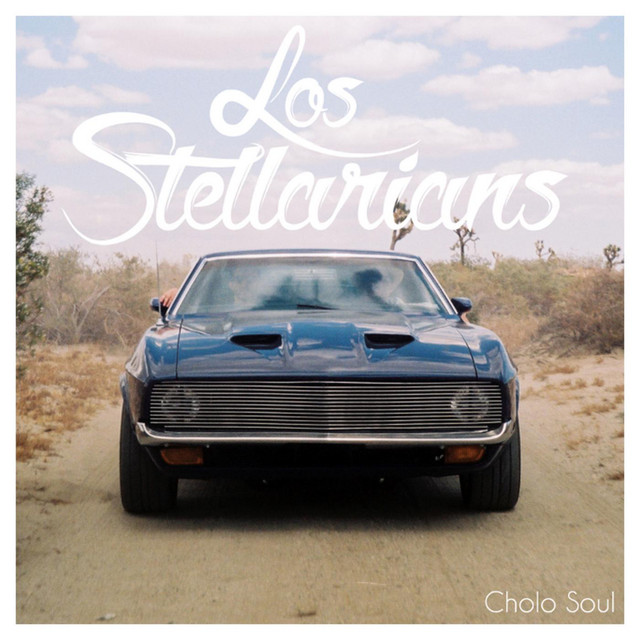
- Start easy with the 95 BPM Chicago and Colorado entry — Louis The Child and The Polish Ambassador teach patience, not urgency. Let the Tennessee to LA alternative R&B stack (Amber Mark, NEIL FRANCES, Los Stellarians) build the foundation. When Anderson .Paak's Venice funk hits at track nine, you're two-thirds through and ready for the final climb. The Good Husbands to NoMBe ceiling (130-135 BPM) finishes the ascent without forcing a sprint.
- What type of run is HIGHRISE built for?
- This is a 40-minute medium-paced run, not a recovery jog or interval session. The 111 average BPM and rising arc (95 to 135) make it ideal for a conversational-pace run where you're working but not gasping. It's too structured for easy days and too controlled for tempo work. Think: Saturday morning, clearing your head, stealing the hour before the week catches up.
- Does the BPM actually match my cadence?
- Not directly — 111 average BPM is slower than most runners' natural cadence (170-180 steps per minute). But HIGHRISE isn't about locking step-for-step with the beat. The tempo zones (95 BPM entry, 105-110 middle, 130-135 finish) create a psychological climb, not a metronome. You're running to the vantage point, not the kick drum.
- What's the key moment in this playlist?
- Anderson .Paak's 'Off The Ground' at track nine. You've cleared the electronic layers, and .Paak plants Venice-era funk at the two-thirds mark like a foundation you didn't know you needed. The wall doesn't break here — it dissolves. The final three tracks (The Good Husbands, Hey Steve, NoMBe) hit the 130+ ceiling because .Paak made the climb feel earned.
- Why does alternative R&B work for running?
- Because it's built on grids, not guitar distortion. Tracks like Amber Mark's 'Lose My Cool' and NEIL FRANCES' 'Show Me the Right' treat warmth like architecture — high danceability, high valence, but held at altitude instead of street level. You get the emotional pull of R&B without the tempo chaos. It's aspiration music, and running to it feels like looking down at something instead of chasing it.
- Is this playlist good for a 5K or a longer run?
- Longer. HIGHRISE runs 43 minutes, and the BPM arc is too deliberate for a 20-minute 5K push. This is built for 10K pace or a casual 6-7 mile weekend run where you have time to let the ascent happen. If you're racing a 5K, start at track seven (Portugal. The Man's Medasin remix) and let the final six tracks carry you home.