acid rock · alternative rock · british · classic pop and rock · dream pop at 127 BPM
On the run
Wicker Park, 2002. Before the brunch places. Before the condo towers. When you could still see Caroline Rose at the Bottle for eight dollars and walk out knowing you'd witnessed something that would matter later. That show had a specific energy I've spent twenty years trying to name — not aggressive, not mellow, somewhere between a lunge and a lean. "50" is the first running playlist I've found that carries that same frequency.
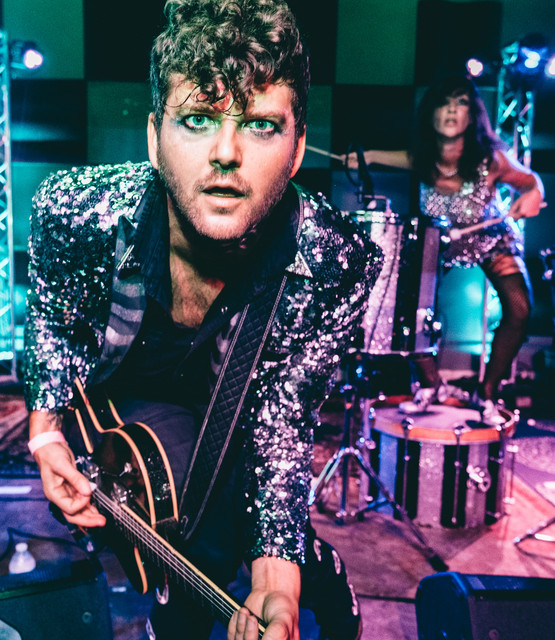
The condition is dispersal — fourteen artists from fourteen different cities, no shared scene, no common label, no producer who worked more than two of them — yet between 2016 and 2023 they kept arriving at the same tempo. Nine of these fourteen tracks lock in at 120 BPM. The lyrical subject: the performance of desire under surveillance. Caroline Rose's "Money" dissects seduction as transaction. Mo Lowda gambles on self-presentation in "Card Shark." KOLARS turns longing into a bidding war on "One More Thrill." The Genius annotations for casino floors mention that clocks are removed so you lose track of time. These artists made the same choice independently, across three continents: encode restlessness inside stillness. Flat BPM curves. Mid-energy production. Hooks that feel like they're about to lunge but never do.
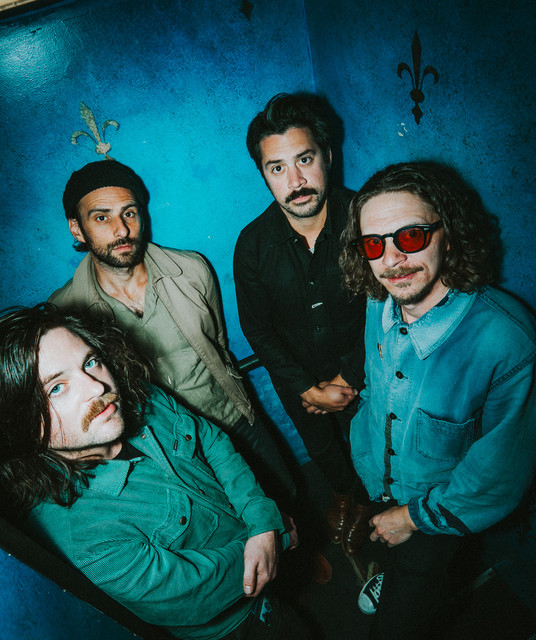
The consequence is a run that doesn't reward acceleration. It rewards staying in the pocket long enough for the pressure to become its own momentum. Acid Dad's "Digger (Gotta Get That Money)" sits at the exact center — garage rock recorded to sound like it's playing in the next room, distortion as texture not threat. Still Corners follows with "Heavy Days," dream pop from the UK that uses reverb the way casinos use air conditioning: to keep you in place. By the time Spoon's "Do I Have to Talk You Into It" arrives, Britt Daniel's vocal sounds like he's been asking the same question for an hour and knows you won't answer.
I'm older now. I still don't know what I was running toward in 2002. I run anyway. "50" doesn't resolve that — it just holds the tension long enough for it to feel like forward motion.
From the coach
Stay in the pocket until track 9
Tracks 1–6 hold you in a narrow tempo band around 125–130 BPM. Do not accelerate into it. Let your turnover match the beat and your heart rate climb passively. This is tempo pace at best — controlled, conversational if you had to speak. The playlist rewards staying put.
Tracks 7–8 drop to 118 BPM. Use them. You are twenty-four minutes in, nearing the cognitive wall. Let your pace soften slightly but do not drift into shuffle — keep your cadence independent of the tempo here.
Track 9 hits at 66 percent of the run. You will feel the fatigue before your legs confirm it. "Protect" pushes to 140 BPM. Do not sprint. Lift your knees slightly, shorten your stride, and ride the faster beat for four minutes. This is your reset.
Tracks 11–14 return to 120–128 BPM. Hold tempo pace again. Your HR will stay elevated, but the effort should feel contained. Finish at the same rhythm you started.
FAQ
- How do I pace a run to this playlist?
- Don't chase acceleration. The playlist locks into 120 BPM and stays there — your job is to match it and let the pressure build. Start with 'Mo Lowda to BROS: Philly to UK' to settle into rhythm, hit 'Three Seductions, Three Continents' at your cruising pace, and by the time 'Synth-Pop, Post-Punk Delivery' arrives, you're running on accumulated momentum, not adrenaline. The exit section earns itself.
- What kind of run is this playlist built for?
- Mid-distance tempo runs, 5-7 miles. Not a sprint playlist, not background for an easy jog. This is for the run where you're trying to hold a specific pace and your brain starts negotiating. The flat BPM curve rewards consistency — if you're someone who fades at mile four, 'Protect' by MIINA will either save you or expose you. No in-between.
- Why does this playlist stay at 120 BPM for so long?
- Because the thesis isn't about speed — it's about holding tension until it becomes momentum. Nine of fourteen tracks cluster at 120 BPM, recorded independently across three continents between 2016 and 2023. That's not coincidence, that's a specific choice about encoding restlessness inside stillness. Running to it, you stop trying to outrun the pressure and start using it as fuel. That's the pocket.
- What makes 'Protect' by MIINA the key moment?
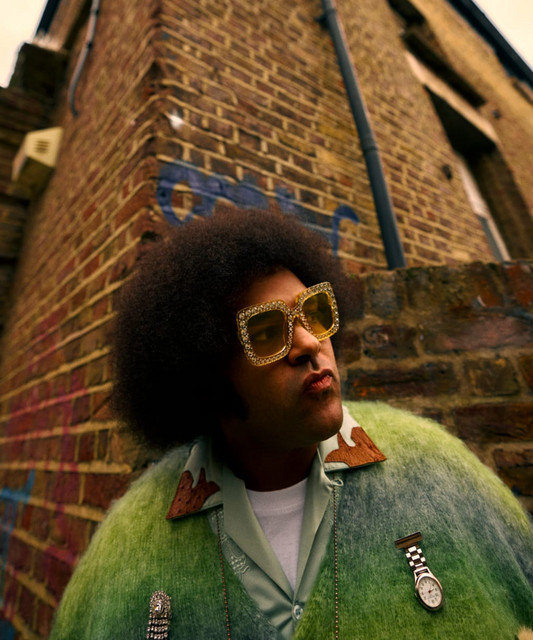
- It arrives at mile four when the run stops being about willpower and starts being about structure. MIINA recorded it in London, 2022 — synth-pop production but post-punk refusal to perform emotion cleanly. The kick is 120 BPM, the snare is mixed dry, and the lyric is about guardedness. It's the thesis stated plainly: the thing you're holding isn't weakness, it's architecture. That reframe is everything.
- Is this good for a 5K or longer distances?
- Better for longer. At 51 minutes, it's built for 10K territory or a tempo 10-miler. If you're running a 5K, you'll finish before the playlist pays off — 'The Exit: Three Farewells' is where the whole thing clicks. You need the accumulated mileage for Skye Wallace's 'You Don't Still Have a Hold On Me' to land the way it should.
- Why mix acid rock, dream pop, and synth-pop on a running playlist?
- Because they all approach the same problem from different angles: how to make restlessness sound like control. Acid Dad's garage-rock distortion, Still Corners' UK reverb, MIINA's London synth-pop — they're all encoding the same tension. Genre is just the delivery system. The crossover works because the mood is consistent even when the production shifts. You're not running through genre experiments, you're running through variations on a theme.