Here's what nobody tells you about hip hop and running: the genre was practically engineered for repetitive motion. Those 808 kicks, those looped breaks, the entire foundation of the music is built on cyclical patterns that lock into your stride like Rick Rubin produced your footfalls.
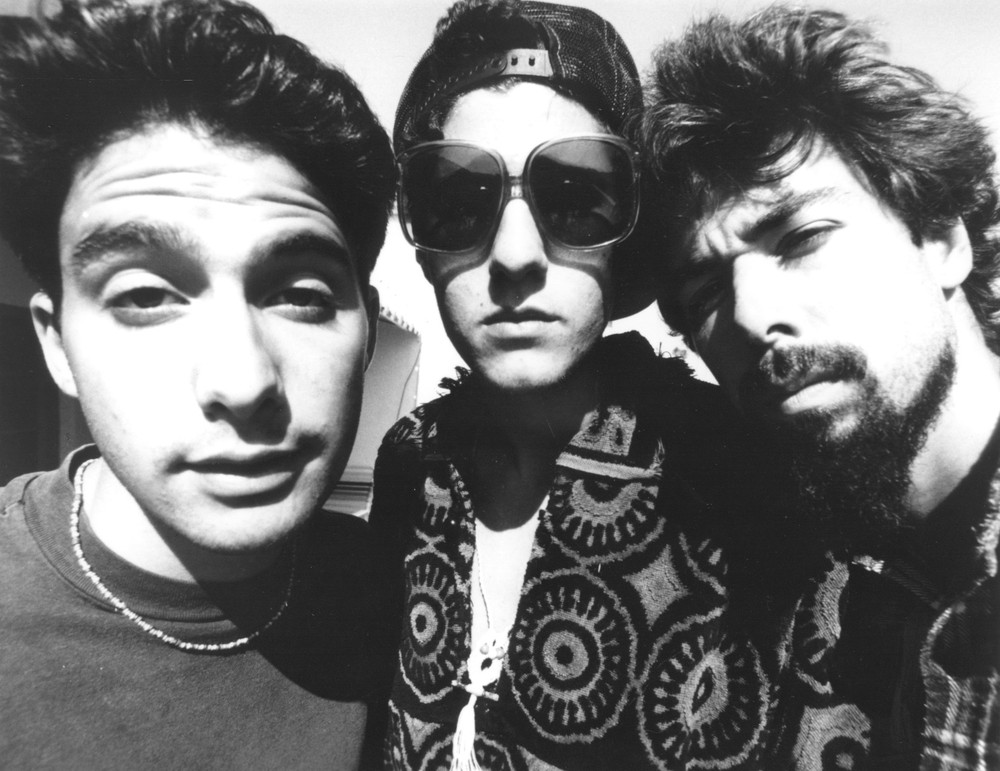
The BPM range here—90 to 102, averaging 98—sits in this perfect pocket for distance running. It's not the frantic energy of drum and bass, not the plodding weight of doom metal. It's the cadence of a steady ten-minute mile, the rhythm of a long run down the Lakefront Trail when you're settling in for eight, ten, twelve miles. The Beastie Boys understood this better than most; listen to how "So What'cha Want" or "Sure Shot" just coast at this tempo, propulsive without being punishing.
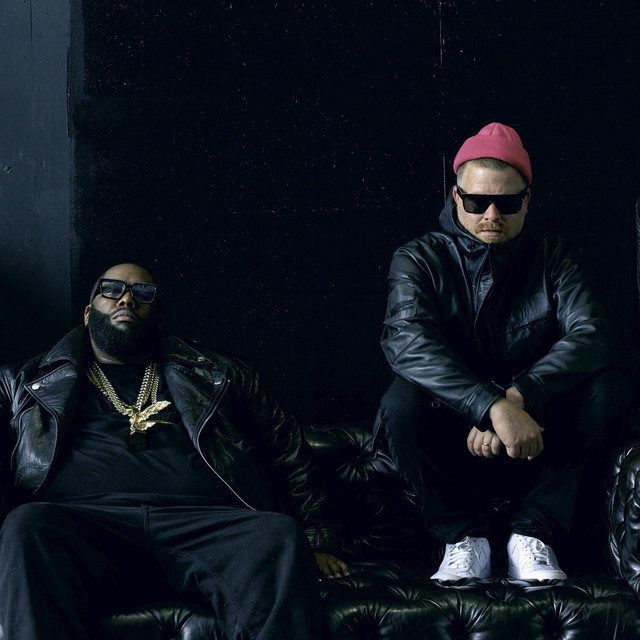
Run the Jewels takes that foundation and adds pure kinetic energy—Killer Mike and El-P trading bars over beats that feel like they're physically pushing you forward. It's aggressive without tipping into chaos, focused intensity that matches what you're trying to do out there on the road.
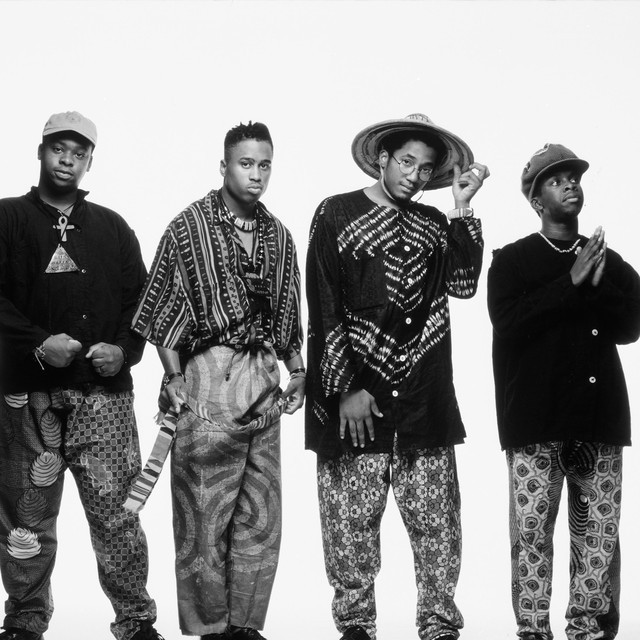
The related genres branching off from here tell the whole story of hip hop's evolution: experimental hip hop, old school hip hop, east coast hip hop, jazz rap, underground hip hop. Each one offering a different flavor while maintaining that crucial rhythmic foundation. Jazz rap brings in those A Tribe Called Quest textures, perfect for when you want something more melodic but equally locked-in. Old school hip hop strips it down to the essentials—just beats and rhymes and forward motion.
Twenty-one hours of playlists means you've got SUPER RUN for the full spectrum, or you can drill down into specific artists and moods. The loop is the thing. Hip hop invented the art of the perfect loop, and your running stride is just another loop waiting for the right beat to lock into it.