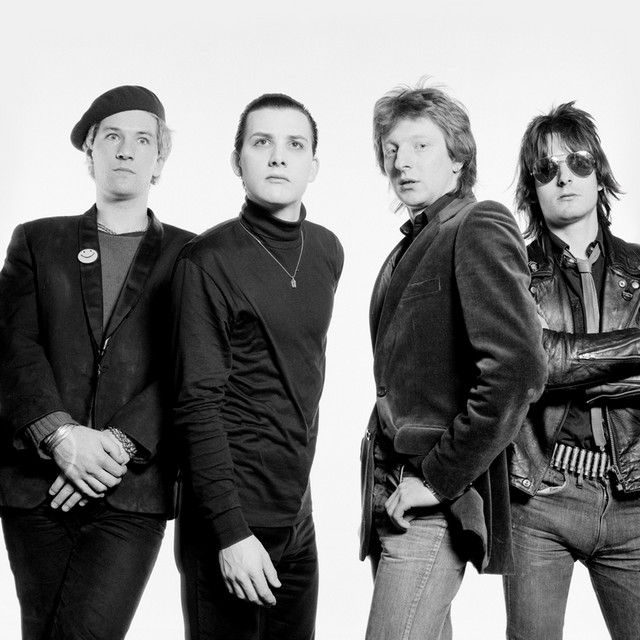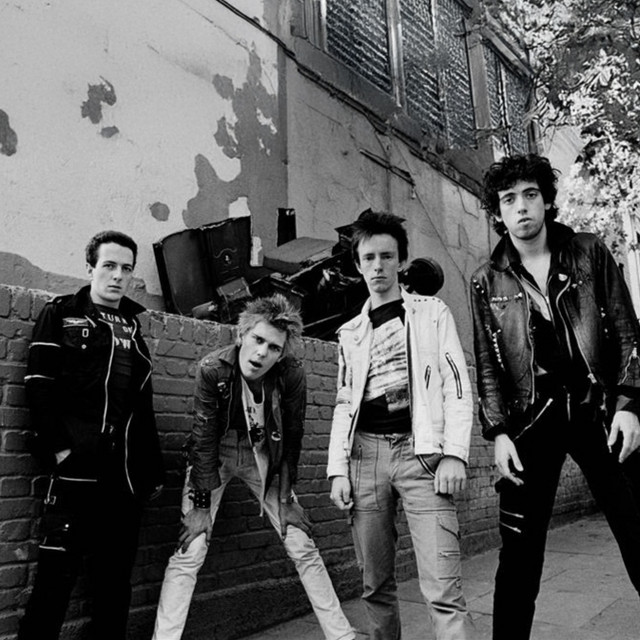
Here's what I know about The Clash and running: Guy Stevens produced their self-titled debut in three weekends for £4,000, and that economy of motion—that refusal to overthink—translates directly to forward momentum. When Joe Strummer and Mick Jones formed this thing in 1976, they weren't just making punk records. They were building a template for how urgency sounds when it's been through art school, read the right books, and still wants to kick your teeth in.
The genius of The Clash for running is that they operated at multiple tempos while maintaining the same level of intensity. Glyn Johns—the guy who engineered Led Zeppelin and The Who—came in for London Calling and understood that punk didn't mean primitive. It meant essential. That's the difference between the 178 BPM sprint of "White Riot" and the 128 BPM swagger of "Rock the Casbah." Both are 90% energy, but one's a South Side bar fight and the other's a geopolitical middle finger set to a danceable groove.
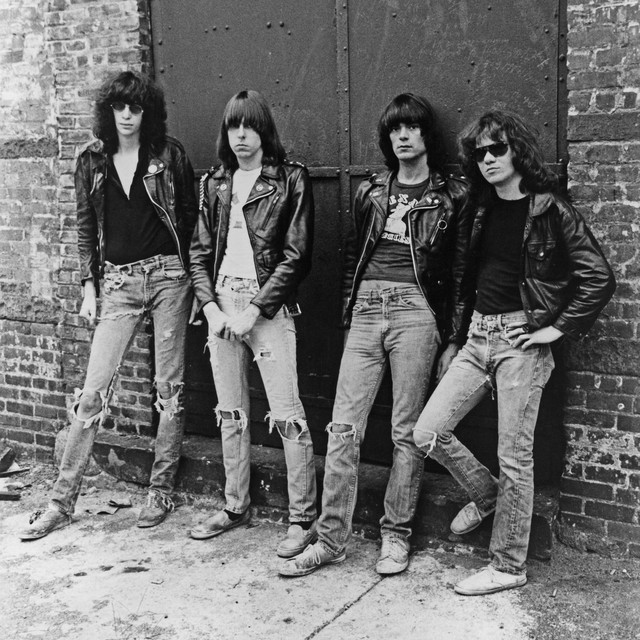
What makes The Clash superior running music compared to, say, the Sex Pistols or Ramones, is their range. The Ramones gave you one perfect gear. The Pistols gave you nihilism as brand. But Strummer and Jones—with Paul Simonon and Topper Headon or later with Terry Chimes—gave you reggae, rockabilly, funk, and straight-ahead punk, all filtered through the same political fury. When you're grinding through mile seven on the Lakefront Trail and "Lost in the Supermarket" kicks in at 175 BPM, you're not just getting a tempo boost. You're getting Strummer's alienation, Jones's melodic sense, and a rhythm section that understood the difference between fast and propulsive.
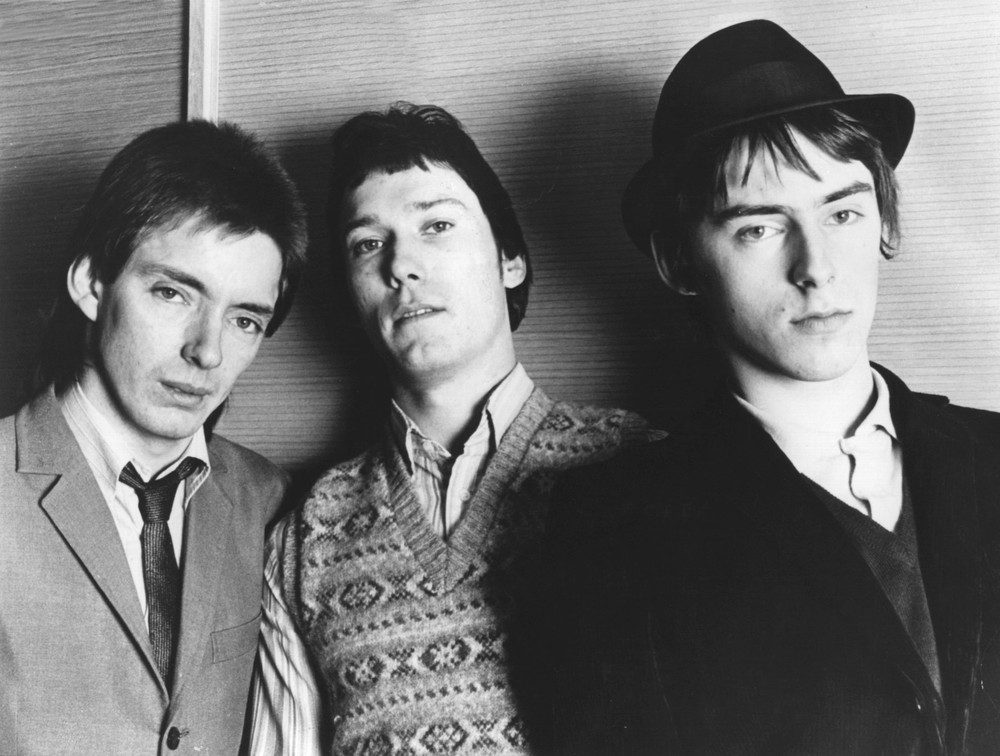
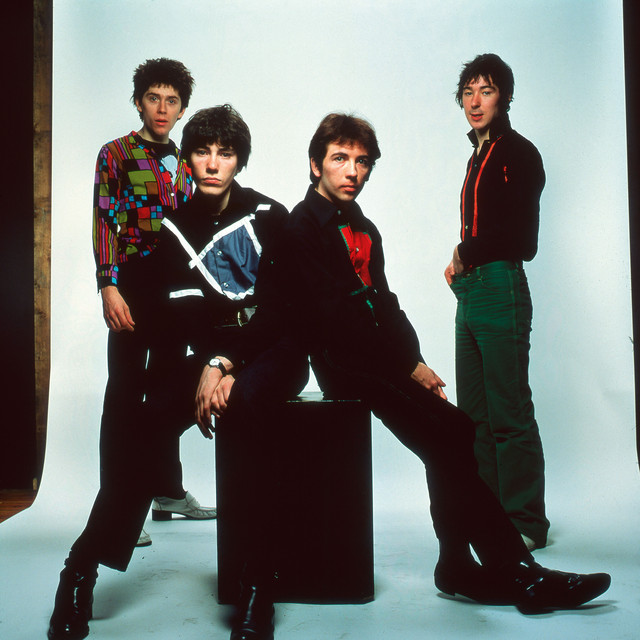
The production work from Jayne Anderson and Rachael Griffiths on those remastered editions preserves the rawness while giving you clarity. You hear every guitar slash, every Strummer bark. If you're into this sound, Stiff Little Fingers and The Jam offer similar forward-driving punk that respects song structure. Buzzcocks bring more melody. But The Clash remain the standard: a band that treated every three-minute song like it could change your life, or at least your stride.